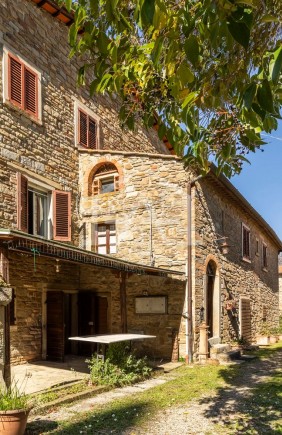
Italy is famous for its rich culture, delicious food, and relaxed way of life. It’s no surprise that more and more EU citizens are considering retiring there. Thanks to the EU’s freedom of movement, retiring to Italy is simpler than in many other countries—but there are still legal, financial, and practical considerations to keep in mind.
This guide covers everything EU citizens need to know about retirement in Italy, from residency and healthcare to taxes, living costs, and choosing the right region.
- Can EU citizens retire in Italy?
- Residency requirements for EU retirees
- How long can EU citizens live in Italy?
- Understanding taxes in Italy
- Cost of living for retirees
- Best regions for EU retirees
- Practical challenges to consider
- Is Italy the right choice for you?
- Buying or renting a home in Italy
- Prepare for retirement in Italy
Can EU citizens retire in Italy?
Yes. As an EU citizen, you have the right to live in Italy without a visa. This includes retirees, provided certain conditions are met after the initial period of stay.
- Short stays: You can enter Italy freely and stay up to 90 days using a valid passport or national ID card.
- Longer stays: To stay beyond 90 days, you must register as a resident. This usually involves proving you have sufficient financial resources and comprehensive health insurance.
There’s no specific “retirement visa” for EU citizens. Instead, retirement falls under the EU’s general right of residence for “economically inactive” nationals.
Residency requirements for EU retirees
To become a legal resident, you must register with the local municipal office (Comune) and apply for residence registration (iscrizione anagrafica). Requirements can vary slightly by town, but the main criteria are:
- Proof of sufficient income or savings (usually a pension or other stable income)
- Evidence of accommodation (rental contract or property ownership)
- Health insurance coverage
Once registered, you receive a residence certificate, which is essential for accessing healthcare, local services, and paying taxes.
How long can EU citizens live in Italy?
EU citizens can live in Italy indefinitely as long as they continue to meet residency requirements. After five years of continuous residence, you can apply for permanent residency, which removes the need to prove ongoing financial resources.
Permanent residency is optional but provides extra stability for long-term retirees.
Understanding taxes in Italy
Italy taxes residents on worldwide income if they spend more than 183 days a year in the country. This includes pensions.
- Double taxation agreements between Italy and most EU countries mean you generally won’t be taxed twice on the same income.
- The exact treatment of pensions depends on your country of origin and pension type.
Because tax rules are complex, it’s strongly recommended to consult a professional adviser before moving.
Cost of living for retirees
The cost of living in Italy varies widely depending on the region:
- Major cities and tourist hotspots (Rome, Florence, Venice) are more expensive, particularly for housing.
- Small towns and inland regions often offer lower costs without compromising quality of life.
Daily essentials—food, utilities, and public transport—are generally affordable. Fresh local produce and markets make healthy, economical eating easy.
Example monthly costs:
- Rent in a small town: €500–€800
- Rent in a city: €1,200+
- Groceries for one: €200–€300
Planning a realistic budget is essential to enjoy retirement comfortably.
Best regions for EU retirees
Italy offers a range of lifestyles, from vibrant cities to quiet countryside:
- Tuscany, Umbria, Marche: Countryside charm, strong communities, cultural heritage
- Liguria, Puglia, Sicily: Coastal living, sunny climate, slower pace
- Northern Italy: Excellent healthcare and infrastructure, but higher living costs
- Southern Italy: Lower property prices and potential tax incentives, but slower bureaucracy
Choosing a region depends mostly on your lifestyle preferences rather than safety—Italy is generally safe and retiree-friendly.
Practical challenges to consider
Retiring in Italy is achievable, but there are some challenges:
- Bureaucracy: Paperwork often requires in-person appointments and is in Italian.
- Language: Learning basic Italian makes everyday life much easier.
- Lifestyle adjustment: Daily life may be slower than in northern Europe, but many retirees find the trade-off worthwhile for culture, food, and social life.
Is Italy the right choice for you?
Italy offers an excellent retirement lifestyle for many EU citizens: good food, accessible healthcare, strong family and community values, and cultural richness.
However, if you value speed, digital efficiency, or extensive English-language services, adaptation may take time. For those who appreciate a slower pace and a vibrant social life, Italy remains one of Europe’s most attractive retirement destinations.
Buying or renting a home in Italy
Finding the right home is a key part of a successful retirement in Italy. Whether you want to buy a property in Italy or rent a home, there are options to suit every lifestyle and budget—from charming apartments in historic towns to villas in the countryside or along the coast. Explore our listings of homes for sale and rent across Italy to find your ideal retirement base and start your Italian adventure with confidence.
Prepare for retirement in Italy
Retirement in Italy for EU citizens is legally straightforward and culturally rewarding with the right preparation.
To make the most of your move:
- Research your preferred region carefully
- Plan your finances realistically
- Understand residency, healthcare, and taxation requirements
- Learn some Italian to smooth daily life
With preparation, retiring to Italy can offer a fulfilling, sustainable, and enjoyable new chapter of life.