Zungoli is a small comune in the province of Avellino, with fewer than 1,000 residents. It has earned a place among I Borghi più Belli d’Italia — Italy’s association of its most beautiful villages — and holds the Touring Club Italiano’s Orange Flag award. It only takes a few hours on foot to understand what there is to see in Zungoli: the village has a Norman castle, historic churches and an underground network carved into tuff stone.
It is also associated with €1 homes, an initiative aimed at countering depopulation that has attracted national and international attention. Set in the heart of Irpinia at 657 metres above sea level, it is one of those places where life seems to move at a slower pace.
Where Zungoli is and how to get there
The village of Zungoli is in Campania’s province of Avellino, in the upper Ufita Valley, at an altitude of 657 metres. It lies a few kilometres from the Puglia border and around 16 km from Ariano Irpino.
The most practical way to reach Zungoli by car is via the Naples–Canosa A16 motorway, exiting at Grottaminarda, then taking the SS90 towards Ariano Irpino and the SP63 to the village. Travellers coming from Bari use the same A16 motorway, leaving at Vallata. Those travelling by train can stop at Ariano Irpino or Avellino and continue on AIR buses, which operate on weekdays.
The best things to see in Zungoli
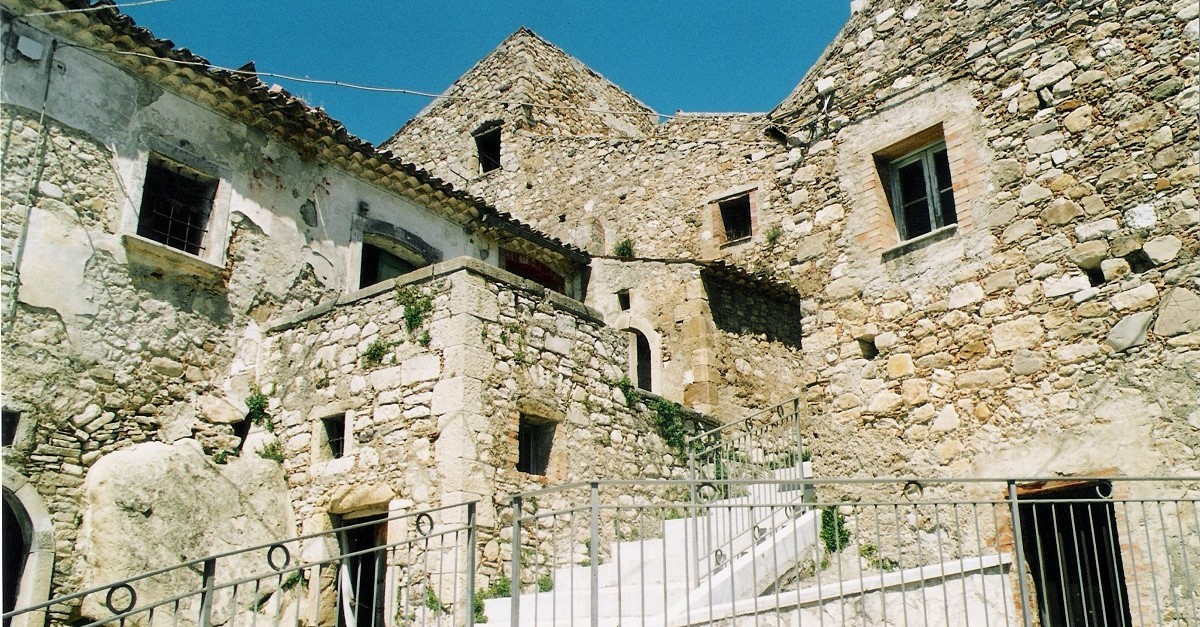
Zungoli’s historic centre is easy to explore on foot, following stone lanes and climbing the steps leading up to the castle.
Its medieval urban layout has remained largely unchanged over the centuries, with noble palaces, religious buildings and tucked-away corners that transport visitors back in time. The main places of interest in Zungoli include:
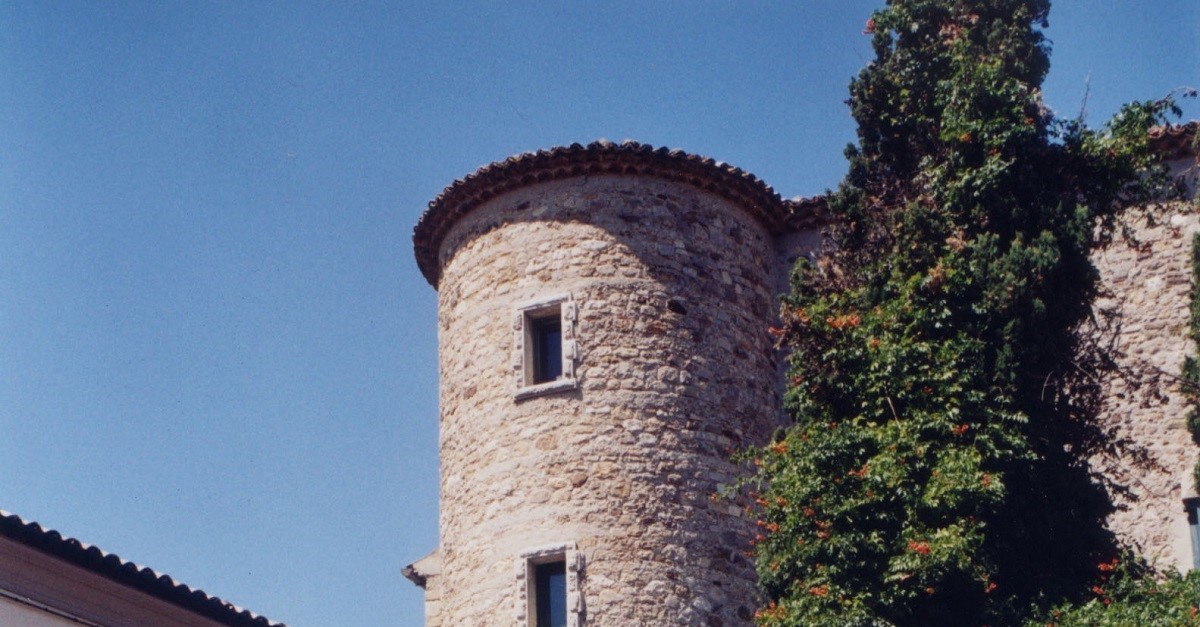
- Norman castle: built in the 11th century for defensive purposes, it is the village’s defining landmark. Its façade is 30 metres long and 14 metres high, and three of its original four cylindrical towers survive. The fourth was destroyed in the 1456 earthquake. The castle is now owned by the Susanna di Sant’Eligio family;
- Convent of San Francesco and the Church of the Incoronata: home to a carved walnut choir and a 17th-century Neapolitan painting depicting Saint Francis in ecstasy;
- Church of Santa Maria Assunta: the parish church was rebuilt after the 1930 earthquake and contains paintings, wooden statues and a baptismal font;
- tuff caves: a network of tunnels on several levels, dating back to the Byzantine period between the 9th and 10th centuries. They have been used as shelters, cellars and olive presses over time. Today, some are used to mature Caciocavallo Podolico cheese;
- Torre li Pizzi and Torre delle Ciàvole: two medieval towers dating to the Norman period, linked to oral folk legends;
- noble palaces: Palazzo Caputi, Palazzo Jannuzzi and Palazzo Annicchiarico-Petruzzelli are evidence of the village’s feudal past.
Exploring the area around Zungoli
A few kilometres from the centre, the area is crossed by the Regio Tratturo Pescasseroli–Candela, the ancient transhumance route that follows the Apennine watershed. The tratturo, or traditional drovers’ route, is becoming an itinerary for walkers and riders, with views across the hills of Irpinia.
Within roughly 20 kilometres are Ariano Irpino and other villages such as Roseto Valfortore and Orsara di Puglia — one of Puglia’s 12 Orange Flag-certified villages. Together with Zungoli, they make up an interesting route through the heart of the Campanian Apennines.
Interesting facts about Zungoli
Zungoli is a village with some unexpected stories, several dating back well before the Norman castle was built. Behind its stone walls lie legends and historical details that add another layer to a visit.
- The name Zungoli may date back to a Norman military leader called Leander Juncolo, the builder of the Castrum Curoli. Another theory traces it to the Greek surname Tsungos, also found in Lucania. The CC monogram on the municipal coat of arms still recalls the castle’s ancient Latin name.
- In 1618, Zungoli’s governor was Giambattista Basile, author of Lo cunto de li cunti, the first major collection of fairy tales in the Neapolitan dialect and an inspiration for many later European stories.
- Eneolithic artefacts and Roman remains, including coins and funerary markers, have been found in the local area. The Via Herculia, which linked the Via Appia and Via Traiana, passed through Zungoli.
- The comune belongs to the European Association of the Via Francigena Ways, a network of historic routes connecting Canterbury and Rome.
- Zungoli came third in the 2026 edition of Rai 3’s annual Il Borgo dei Borghi competition.
€1 homes in Zungoli
The comune of Zungoli has launched several calls for the transfer of properties in the historic centre for €1, with the aim of addressing depopulation. Buyers must submit a renovation plan within one year and complete the work within three years, while paying a deposit that is returned once the building work is finished.
The €1 homes initiative in Zungoli has also turned a number of abandoned properties into homes, bed and breakfasts, and small businesses.
What to eat in Zungoli
The local cooking is the rural cuisine of Irpinia: simple, wholesome and closely tied to the seasons. A key product is extra-virgin olive oil made with the Ravece variety of olive, under the Irpinia–Colline dell’Ufita PDO designation.
Traditional dishes found in Zungoli include handmade fusilli zungaresi and cavatelli, polenta with mushrooms, and cianfotta, a vegetable stew. Typical products include cave-aged Caciocavallo Podolico, artisan soppressata cured meat and capicollo.
Major events in Zungoli
The local calendar includes several celebrations rooted in religious and pastoral tradition. The Feast of the Incoronata takes place in April, followed by celebrations for the patron saints, Saint Anne and Saint Crescenzo, on 26 July.
The first Sunday in September is dedicated to the Festival of Transhumance, when it is possible to see traditional pastoral practices in action and buy local products directly from producers.
Living in Zungoli
Regardless of participation in Zungoli’s €1 homes initiative, the village and Campania more broadly have numerous properties available to rent or buy. The relevant listings, which are regularly updated, can always be found on the idealista portal.
Stay in the know about living in Italy as a foreigner—get our weekly newsletter for the latest travel, legal, and lifestyle news.