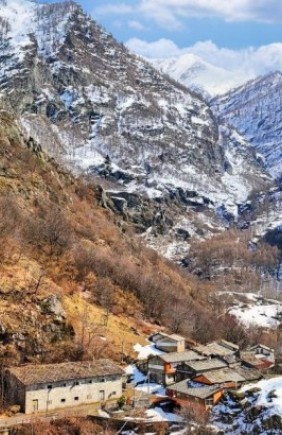
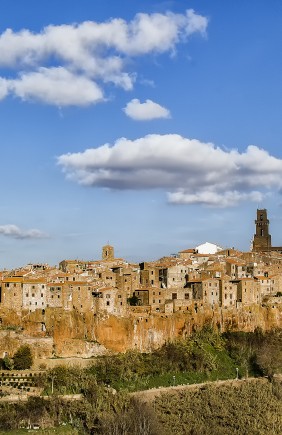
In the Tuscan-Emilian Apennines lies a village that draws thousands of visitors each summer in search of something increasingly hard to find: cooler weather. It sits 1,020 metres above sea level in the province of Modena and is known as the “Pearl of the Apennines”.
The title is not simply a local nickname. The Touring Club Italiano has awarded it the prestigious Bandiera Arancione (Orange Flag), recognising the quality of its natural surroundings and visitor services.
Where Sestola is and how to get there
Sestola stands in the heart of Parco del Frignano, a protected natural area covering around 15,000 hectares and also including the municipalities of Fanano, Montecreto and Riolunato.
Its location is convenient, around an hour’s drive from Modena and Bologna. The main approach is via the Giardini Ponente road, the SS12, which follows the Panaro river valley through striking mountain scenery.
Those travelling by train can get off in Modena or Pavullo and continue by bus or local shuttle service. During summer, several accommodation providers also arrange pre-booked transfers for visitors arriving without a car.

Why the summer climate is so special
At 1,020 metres above sea level, the temperature feels markedly different from that of the plains. While Emilia and Romagna’s cities can easily exceed 35–38°C in August, daytime highs in Sestola generally sit at around 22–25°C during the warmest part of the day. Evenings are cool enough to sleep with the window open.
This mountain microclimate is not simply down to altitude. The surrounding woodland, air circulation along the Apennine slopes and distance from urban heat islands create unusually pleasant conditions.
Sestola Fortress: the village’s medieval heart
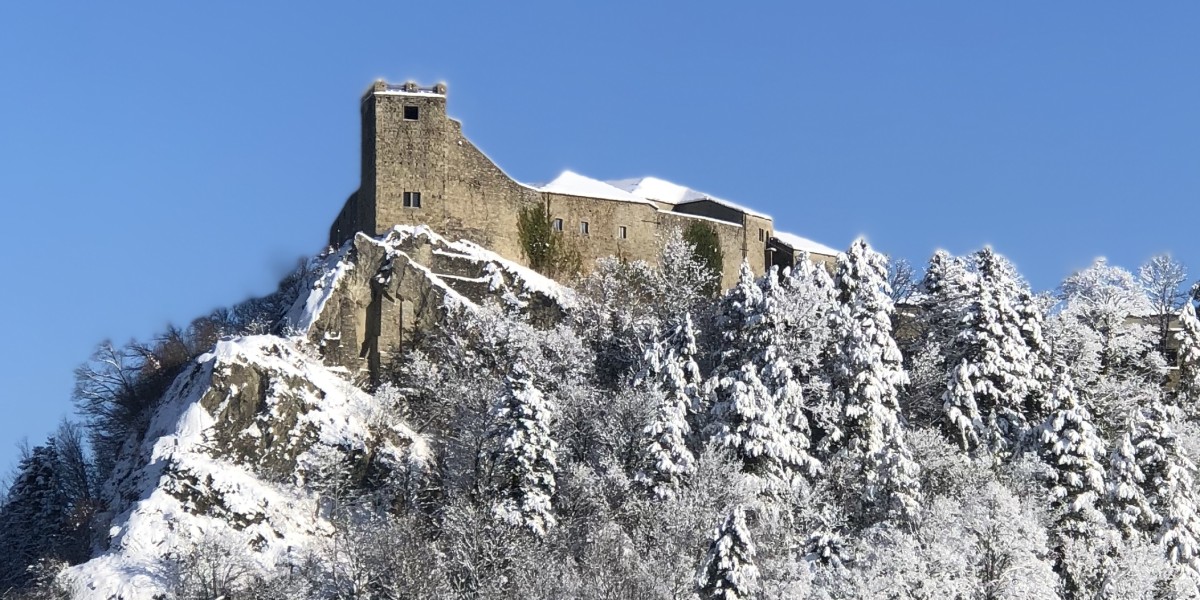
Sestola’s unmistakable landmark is its Rocca, a medieval fortress standing on a rocky outcrop above the village and the valley below. The earliest written references to the fortress date back to 750, although the structure seen today is the result of a 16th-century reconstruction, when it acquired its present appearance of towers, crenellated walls and grand rooms.
Over the centuries, it has served military, residential and prison functions. Visitors can still see the noble chambers, reception rooms and, for those curious about its darker past, the old underground prisons. The main tower has sweeping views across the Apennine ridge and, on particularly clear days, across the Po Valley.
Visiting the fortress in summer
During summer, the fortress can be reached on foot along a paved route starting in the historic centre. There is also a pleasant tourist train service, which runs only in the warmer months and is particularly popular with families travelling with children.
A visit generally takes 45 minutes to an hour, though those wanting to explore the local history in greater depth may wish to spend longer with the museum collections housed inside.
Walks and nature: the Apennines at an easy pace
For keen walkers and hikers, the countryside around Sestola has a network of paths leading to scenic spots that can be reached without specialist equipment:
- Pian del Falco: a panoramic plateau at around 1,500 metres above sea level, also accessible by chairlift and well suited to picnics and gentle walks.
- Passo del Lupo: a historic mountain pass along the ridge connecting Emilia and Tuscany, surrounded by mature beech woodland.
- Lago della Ninfa: a mountain lake set among the woods, suited to a scenic stop or a spot of fishing.
- Giardino dell’Esperia: a botanical oasis of scientific interest, displaying more than 250 species of Alpine and Apennine plants.
Monte Cimone: the highest peak in the northern Apennines
A few kilometres from Sestola rises Monte Cimone, which at 2,165 metres is the highest summit in the whole of the northern Apennines. In summer, it is a popular destination for more experienced hikers, as well as for those simply wanting to head higher up via the chairlift that leaves from Pian del Falco.
Monte Cimone is also home to a CNR meteorological station, one of Italy’s most important sites for atmospheric monitoring.

Food and flavours of Frignano
The cooking of the Modena Apennines is among Italy’s most substantial, shaped by centuries of rural and mountain traditions. Local standouts include porcini mushrooms gathered in the woods of Frignano, regional truffles, chestnuts celebrated in autumn through dedicated sagre (local food festivals), and fresh mountain dairy cheeses.
Fresh pasta is non-negotiable here. Ricotta tortelloni, tagliatelle with wild boar ragù and passatelli in brodo are dishes carrying centuries of local history.
Living in Sestola
Sestola is a practical and accessible option for anyone looking to take a break from summer heat without missing out on Italian beauty, culture and food. At 1,020 metres in the Tuscan-Emilian Apennines, the “Pearl of the Apennines” brings together mild weather, unspoilt nature, significant medieval heritage and local cooking that rarely disappoints.

Stay inspired for your travels in Italy —get our weekly newsletter for the latest travel, legal, and lifestyle news.