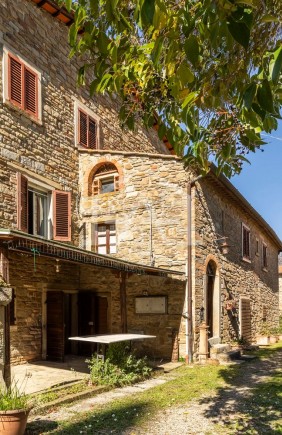
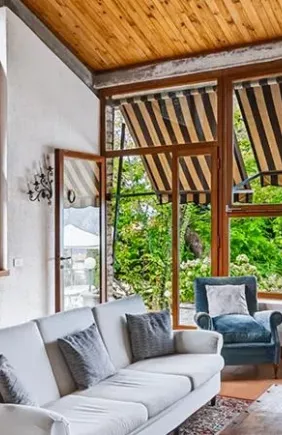
Dreaming of a sun-soaked terrace in Tuscany, a stone farmhouse in Umbria, or a sea-view escape in Sicily?
Buying property in Italy has become one of the most searched lifestyle moves for foreigners — from retirees and remote workers to investors seeking European real estate opportunities.
But while the Italian dream is real, so are the challenges.
Before signing a contract, it’s essential to understand the advantages, the hidden costs, and the bureaucratic realities of buying a home in Italy.
This guide breaks down the true pros and cons of buying property in Italy, so you can decide whether it’s the right move for you.
Why so many foreigners want to buy property in Italy

Italy remains one of Europe’s most desirable property markets for international buyers. Here’s why.
Affordable homes (in the right areas)
Compared with France, Spain, or parts of the UK, Italian property prices can offer excellent value — particularly outside major cities.
- Rural homes in Tuscany and Puglia often cost far less than equivalent properties in Provence.
- Southern regions like Calabria, Sicily, and Molise offer some of the lowest prices in Western Europe.
- Smaller towns frequently have historic properties at highly competitive rates.
You’ve likely seen headlines about Italy’s famous €1 houses. While these deals are genuine, they require significant renovation work and strict timelines. They’re opportunity projects — not instant bargains.
Key takeaway: Italy can be affordable, but location determines everything.
Attractive tax incentives for new residents
Italy has introduced several tax schemes designed to attract wealthy individuals, retirees, and foreign professionals.
These include:
- A flat tax regime for high-net-worth individuals on foreign income
- Special tax reductions for retirees moving to certain southern regions
- Incentives for skilled workers relocating to Italy
However, eligibility rules are strict and professional advice is essential before relocating.
Lifestyle value that’s hard to match
For many buyers, this is the real reason.
Owning a home in Italy means access to:
- World-class cuisine and wine
- Rich history and culture
- Mild Mediterranean climate
- Slower pace of life
- Strong local communities
For some, restoring a centuries-old farmhouse is more than a purchase — it’s a life project.
The downsides of buying real estate in Italy

While the lifestyle is seductive, the buying process can feel overwhelming if you're unprepared.
Complex bureaucracy and legal process
The Italian property system is highly regulated and paperwork-heavy.
The process typically includes:
- Proposta d’acquisto (purchase proposal)
- Compromesso (preliminary contract with deposit)
- Final deed signed before a notaio (notary)
Every document is in Italian, and legal checks are essential to confirm:
- Clear title
- Proper building permits
- No unpaid debts attached to the property
Without proper legal support, mistakes can be costly.
Essential tip: Always hire an independent bilingual lawyer — not just the agent’s recommended professional.
High transaction costs
While purchase prices may look attractive, buying costs in Italy are often underestimated.
Expect to pay an additional 7–10% (or more) of the purchase price, covering:
- Registration tax
- Notary fees
- Legal fees
- Estate agent commission
If you’re buying a second home, taxes are higher than for primary residences.
Slow resale market in rural areas
Unlike London, Paris, or Madrid, property in rural Italy does not always sell quickly.
In smaller towns:
- Buyer demand can be limited
- Properties may sit on the market for years
- Capital appreciation can be modest
Italian property should be viewed primarily as a lifestyle investment, not a quick flip opportunity.
Common myths about buying a house in Italy
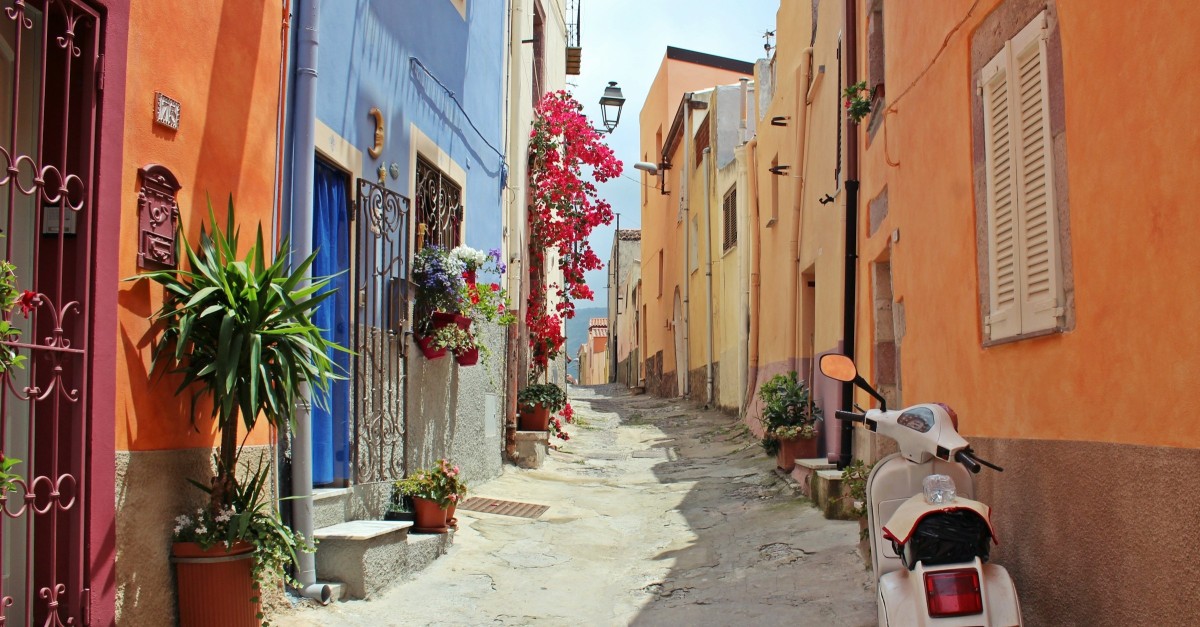
Myth 1: “Buying property in Italy gives me residency”
False.
Owning property in Italy does not grant automatic residency, visas, or citizenship.
To live in Italy long-term, you must apply for the appropriate visa or residence permit. Citizenship generally requires:
- 10 years of legal residence
- Marriage to an Italian citizen
- Italian ancestry
Myth 2: “Property is cheap everywhere”
Not quite.
Prices in Milan, Rome, Florence, and Venice are comparable to other major European cities. Prime Tuscan countryside can also command premium prices.
Bargains exist — but they are location-specific.
Myth 3: “Renovating is simple”
Renovating in Italy requires:
- Planning permission
- Local authority approval
- Certified contractors
- Compliance with heritage rules
Delays are common, especially in historic centres or protected areas.
Budget both time and money generously.
What foreign buyers need to know before purchasing
Can foreigners buy property in Italy?
Yes.
Most foreign nationals — including UK and US citizens — can buy property under reciprocity agreements. This means you have similar ownership rights to Italian citizens.
Mortgages for non-residents
Italian banks do lend to foreign buyers, but conditions can include:
- 30–50% deposit
- Proof of overseas income
- Higher interest rates
Mortgage approval processes may also be slower than in the UK or US.
Ongoing property taxes in Italy
Property owners may be responsible for:
- IMU – municipal property tax (mainly on second homes)
- TARI – waste tax
- Additional local charges
If you rent out your property, rental income must be declared in Italy and potentially in your home country.
Is buying property in Italy worth it?
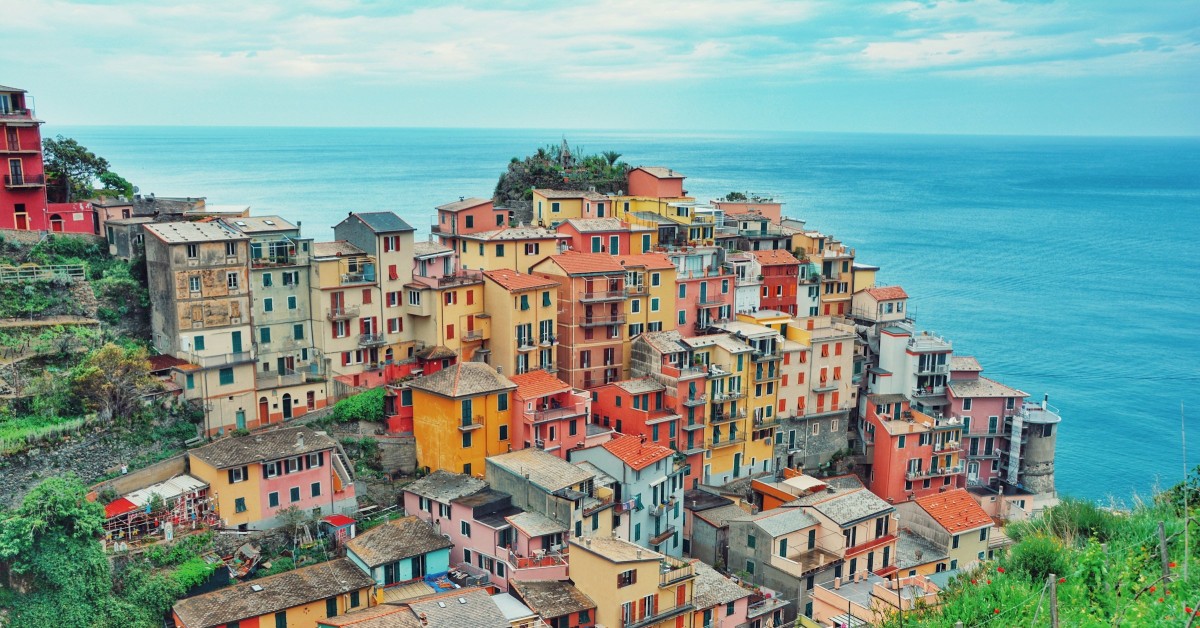
For many expats, the answer is yes — but not for purely financial reasons.
The rewards include:
- A deeper connection to Italian culture
- A lifestyle shift many describe as transformative
- Long-term personal enjoyment
The challenges include:
- Bureaucracy
- Slower processes
- Higher-than-expected transaction costs
Success often comes down to patience, preparation, and professional guidance.
Final thoughts: should you buy property in Italy?
Buying real estate in Italy can be one of the most rewarding lifestyle decisions you’ll ever make — but only if you enter the process with realistic expectations.
The pros:
- Affordable regions
- Attractive tax incentives
- Unmatched lifestyle appeal
The cons:
- Legal complexity
- Significant upfront costs
- Slow resale markets outside cities
If you’re financially prepared and emotionally committed, owning a slice of la dolce vita can be more than a dream — it can be a deeply fulfilling long-term investment.