Italy has become one of Europe’s most attractive retirement destinations — not only because of its climate, cuisine, and lifestyle, but also due to its highly favorable 7% flat tax regime for foreign retirees.
If you are considering retiring to Italy and want to reduce your tax burden legally, this guide explains how Italy’s pensioner tax regime works, who qualifies, and why it has become one of the most competitive retirement tax incentives in Europe.
- What is the 7% flat tax regime in Italy?
- Who qualifies for the 7% flat tax in Italy?
- Which regions qualify for the 7% pensioner tax regime?
- What income is taxed at 7%?
- How long does the 7% flat tax regime last?
- Major benefits of Italy’s 7% flat tax for retirees
- Are there any downsides?
- How to apply for the 7% flat tax in Italy
- Is Italy’s 7% tax regime better than Portugal’s NHR?
- Best places in Southern Italy for foreign retirees
- Frequently asked questions about Italy’s 7% flat tax
- Is retiring to Italy tax-efficient?
What is the 7% flat tax regime in Italy?
Italy introduced the 7% flat tax regime in 2019 to attract foreign pensioners to relocate to Southern Italy.
Under this regime, qualifying retirees pay a flat 7% tax on all foreign-sourced income, instead of being taxed under Italy’s progressive income tax system (which ranges from 23% to 43%+).
This means predictable taxation and potentially substantial tax savings for retirees with foreign income streams.
Who qualifies for the 7% flat tax in Italy?
To access the regime, you must meet specific legal requirements.
- First, you must receive a foreign pension. This can include state pensions, private pensions, or occupational pensions paid from abroad. The scheme is open to both EU and non-EU citizens.
- Second, you must transfer your tax residence to Italy. This requires registering with your local municipality and spending more than 183 days per year in Italy.
- Third, you must move to an eligible municipality with fewer than 20,000 inhabitants located in one of the approved Southern regions.
- Fourth, you must not have been an Italian tax resident for at least five tax years prior to applying.
If these conditions are met, you can elect the regime in your annual Italian tax return.
Which regions qualify for the 7% pensioner tax regime?
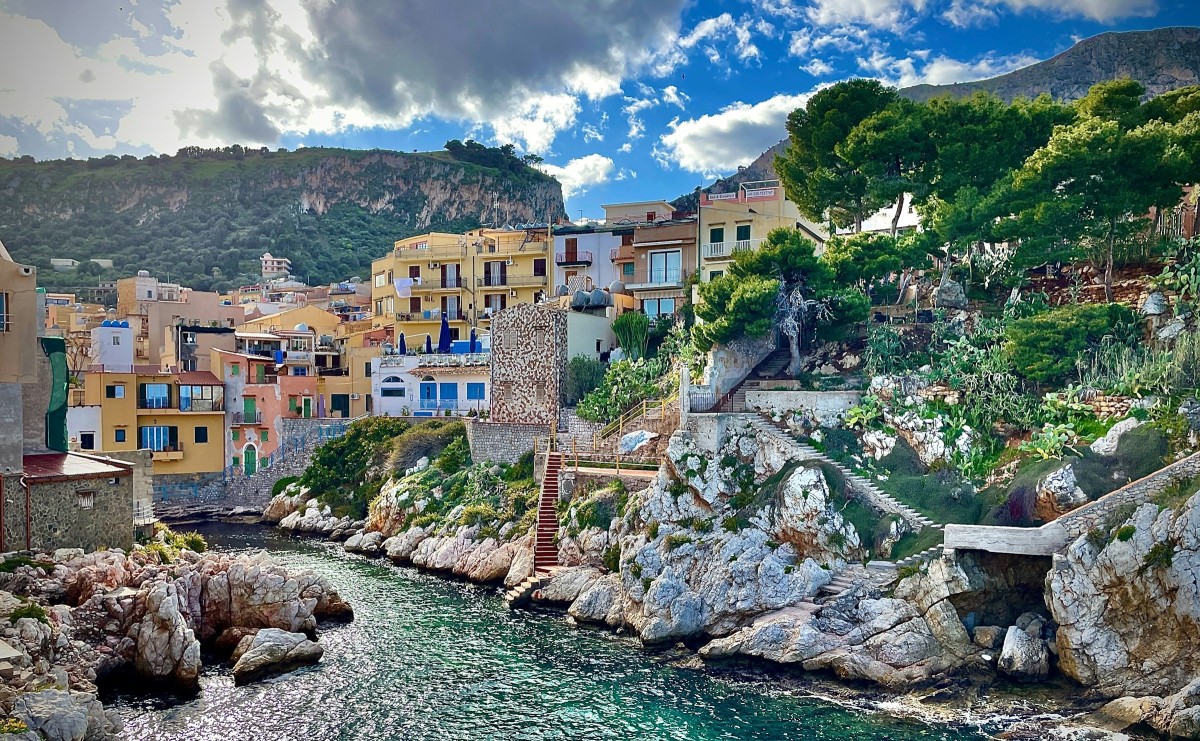
The tax benefit applies only if you move to a small municipality in one of the following regions:
- Sicily
- Calabria
- Sardinia
- Campania
- Basilicata
- Abruzzo
- Molise
- Puglia
These regions were selected to encourage economic growth and attract foreign investment to Southern Italy.
It is important to verify that your chosen town has fewer than 20,000 residents before relocating.
What income is taxed at 7%?
The 7% flat tax applies exclusively to foreign-sourced income.
This includes foreign pension income, dividends from foreign companies, interest from foreign bank accounts, rental income from property located abroad, and capital gains from foreign investments.
Italian-sourced income is not covered by the regime and will be taxed at ordinary Italian tax rates.
This distinction is essential for retirees who may plan to generate income within Italy.
How long does the 7% flat tax regime last?
The regime can be applied for up to 10 years.
Once elected, it remains valid as long as you maintain tax residency in an eligible municipality and continue meeting the requirements.
After the 10-year period ends, you automatically revert to Italy’s standard taxation system unless new legislation extends the program.
Major benefits of Italy’s 7% flat tax for retirees
One of the biggest advantages is the substantial tax savings compared to progressive income tax rates.
For example, a retiree receiving €60,000 annually in foreign pension income would pay €4,200 under the 7% regime. Under standard Italian taxation, the liability could exceed €20,000 depending on deductions and regional taxes.
Another major benefit is the exemption from wealth taxes on foreign assets. Participants are not subject to IVAFE (tax on foreign financial assets) or IVIE (tax on foreign real estate).
The regime also simplifies reporting obligations for foreign assets, reducing administrative complexity.
Finally, Italy has double taxation treaties with many countries, including the United States, United Kingdom, Canada, and Australia, which helps prevent being taxed twice on the same income.
Are there any downsides?

While highly attractive, the regime may not suit everyone.
You must live in a qualifying small municipality. Major cities such as Rome, Milan, Florence, and Venice are not eligible.
If you plan to work or operate a business in Italy, income generated locally will be taxed at ordinary rates.
You will also need to enroll in Italy’s national healthcare system, although costs are typically modest compared to private healthcare in many other countries.
How to apply for the 7% flat tax in Italy
The application process involves several steps.
Non-EU citizens must first obtain the appropriate visa before relocating. Once in Italy, you must register residency with the local municipality.
After becoming a tax resident, you elect the 7% regime in your Italian income tax return.
Because international taxation can be complex, professional advice from an Italian tax adviser is strongly recommended before making the move.
Is Italy’s 7% tax regime better than Portugal’s NHR?
Portugal’s Non-Habitual Resident (NHR) regime was previously one of Europe’s most attractive retirement tax systems, but recent changes have reduced its benefits for many retirees.
Italy’s 7% flat tax is now often viewed as more predictable and potentially more advantageous, especially for retirees with substantial foreign pension income.
The 10-year duration also provides long-term certainty for those planning permanent relocation.
Best places in Southern Italy for foreign retirees
- Many retirees choose Sicily for its warm climate, lower property prices, and strong expat communities.
- Puglia offers charming coastal towns and excellent food culture.
- Calabria provides dramatic coastlines and very affordable real estate.
- Sardinia combines natural beauty with quiet inland villages that qualify under the population threshold.
Each region offers a different lifestyle, so visiting before committing to residency is advisable.
Frequently asked questions about Italy’s 7% flat tax
Is the 7% tax applied automatically?
No. Eligible retirees must formally opt into the regime when submitting their Italian tax return for the first year of residence.
Can couples apply for the regime together?
Yes, but each spouse must qualify individually. If both meet the requirements, each person can elect the 7% flat tax separately.
Do I have to buy property in a specific area?
You are free to purchase property anywhere in Italy. However, to benefit from the 7% tax regime, you must establish tax residency in an eligible municipality in Southern Italy or in one of the designated small towns.
How long does the 7% flat tax regime last?
The regime can be applied for up to 10 years. After that period, retirees move to the standard Italian tax system unless the legislation is extended or modified.
Is retiring to Italy tax-efficient?

For many foreign pensioners, Italy’s 7% flat tax regime offers a compelling combination of reduced taxation and high quality of life.
The scheme is particularly attractive for retirees with pension income from abroad who are willing to relocate to eligible areas in Southern Italy or certain small municipalities.
With proper tax planning, the regime can significantly lower annual tax liabilities while allowing retirees to enjoy Italy’s climate, culture, cuisine, and lifestyle.