Retiring in Italy still has huge appeal in 2026: slower rhythms of life, strong community culture, walkable historic centres and genuinely good food that doesn’t feel like a “treat”.
However, moving to one of the world's best places to retire isn't a casual decision. Between visa rules, tax planning and regional cost differences, you need a clear head and a solid financial base.
Residency and visas in 2026
EU citizens
If you’re an EU citizen retiring in Italy, the process is relatively straightforward.
Register your residence at the local comune, show proof of sufficient income, register for healthcare, and apply for your residency certificate.
UK, US and other non‑EU citizens
If you're looking to retire to Italy from the UK or another non-EU country, you'll most likely want to apply for the Elective Residency Visa (ERV) when getting residency in Italy.
You must show stable passive income, and income thresholds vary slightly by consulate, but typically start at around €31,000 per year for a single applicant.
Taxes for retirees in Italy
This is where planning makes a serious difference.
Standard tax residency rules
If you spend more than 183 days per year in Italy and register as a resident, you’re generally taxed on your worldwide income. Italy has double taxation treaties with the UK, US and many other countries, but how your pension is taxed depends on whether it’s a state pension or a private pension, and which country it’s paid from.
The 7% flat tax for foreign pensioners
One of the most attractive schemes in 2026 remains the 7% flat tax regime. Move to a qualifying municipality (mainly in southern regions), choose a town with fewer than 20,000 inhabitants you can opt to pay a flat 7% tax on foreign-sourced pension income for up to 10 years.
Healthcare in Italy as a retiree
Italy’s public healthcare system, the Servizio Sanitario Nazionale (SSN), is generally good, though regional quality varies. Once resident, you can register with the SSN, choose a local GP, and access public hospitals and specialists.
If you’re not contributing through work, you may need to pay an annual voluntary contribution, typically calculated based on declared income.
Many retirees also take out private health insurance. In 2026, comprehensive private cover for someone over 65 can range from roughly €1,800 to €3,500 per year, depending on age and conditions.
The cost of living in Italy in 2026
The cost of living in Italy as a retiree depends hugely on location. Milan and Rome are a different world compared to inland Abruzzo or rural Puglia.

Property prices and rent
As of February 2026, property prices in Italy averaged around €1,866 per m², while rent prices in Italy averaged around €14.5 per m².
In Milan, you’ll often see prices above €5,000 per m², while in parts of southern Italy, properties can still be found under €1,500 per m².
- A modest 80 m² flat at €13 per m² would cost roughly €1,040 per month in rent, though in smaller southern towns it can be significantly less.
Everyday expenses in 2026
Item | Typical price in 2026 |
|---|---|
Espresso at the bar | €1.20–€1.50 |
Beer in a local bar | €4–€6 |
Margherita pizza in a neighbourhood pizzeria | €7–€12 |
Three-course meal in a mid-range restaurant (per person) | €25–€35 |
Monthly utilities (electricity, heating, water, rubbish) for an 80 m² flat | €150–€250 |
Prices taken from Numbeo and current idealista articles
Best places to retire in Italy in 2026
Finding the best place to retire in Italy really depends on budget and lifestyle choices, but there are a few spots that stand out. The decision also comes down to choosing between an expat bubble or joining Italians in the spots they pick for their own retirement.
Puglia
Affordable property, strong food culture, and access to the Adriatic. Towns under 20,000 residents may qualify for the 7% tax regime, and luxury real estate is growing.
Abruzzo
Mountains and coastline in one region. Lower cost of living than most of northern Italy. Good option if you want space and fewer tourists.
Sicily
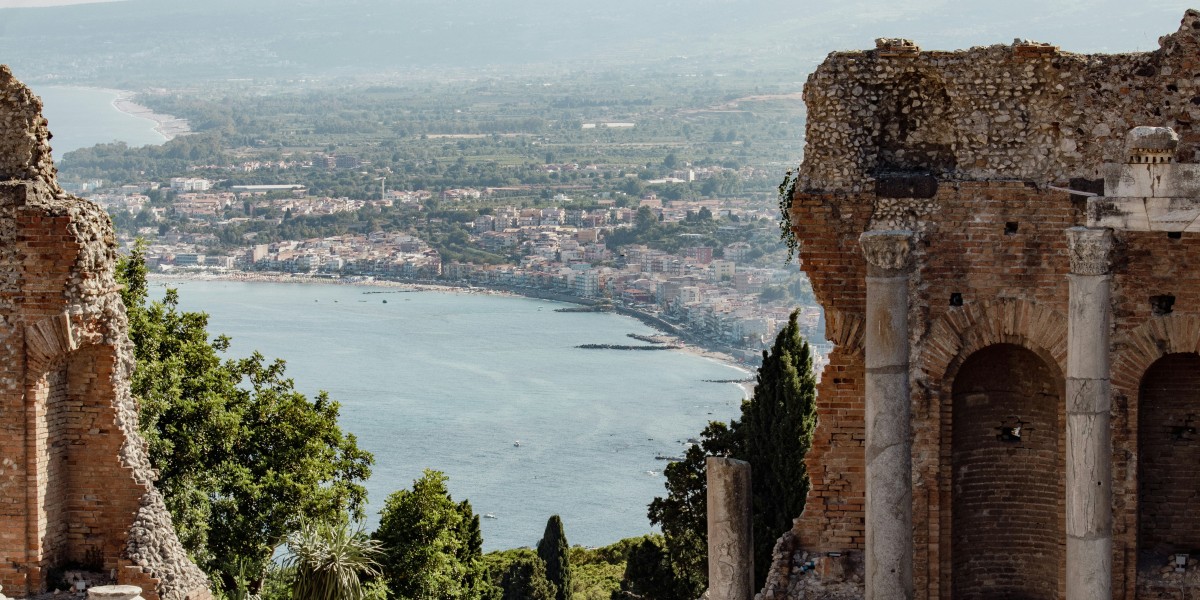
Very affordable housing in many areas and improving infrastructure in cities like Palermo and Catania. Slower bureaucracy, but strong community life.
Le Marche
Quieter than Tuscany but similarly scenic. Popular with British retirees. Balanced lifestyle without big-city prices.
Living in Italy as a retiree: pros and cons
Life here is rewarding but not friction-free, and it's worth exploring the pros and cons of retiring in Italy before making the move.

Some of the pros of retiring in Italy include:
- Strong community culture, especially in smaller towns
- Walkable historic centres and daily social life
- Access to high-quality fresh food at reasonable prices
Some of the cons include:
- Slow bureaucracy and inconsistent local administration
- Language barrier outside major cities
- Regional differences in healthcare efficiency
Stay in the know about living in Italy as a foreigner—get our weekly newsletter for the latest travel, legal, and lifestyle news.
For a taste of the high life, sign up for the monthly luxury market round-up.