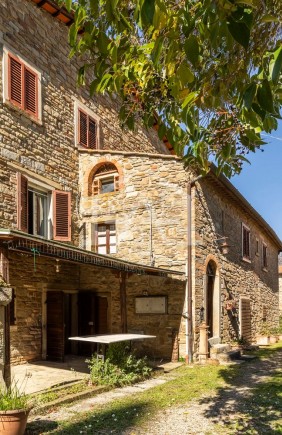
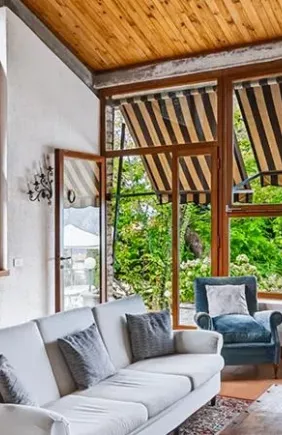
Italy isn’t just for long weekends in Rome or selfies in Venice anymore. According to International Living, Italy ranks firmly in the top ten places to retire. When you add in its safety scores, variety of climates and access to public healthcare, it starts to look like one of the world’s best places to retire.
Italy is in the global top 10 for retirement
In International Living’s Annual Global Retirement Index, Italy comes 6th, with the write‑up highlighting that it offers scenery, food and culture “in spades”.
In the companion report, The 11 Safest Places to Retire in 2026, Italy also ranks 6th—evidence that it performs well on hard numbers as well as lifestyle. Put simply, Italy offers a top‑tier mix of ingredients that matter in retirement:
- A top‑10 global score for overall retirement quality, including climate, healthcare access and community
- A top‑10 safety ranking, with relatively low violent crime and a strong police presence, and a huge amount of choice beyond the obvious hotspots.
Crucially, the rankings are based on measurable indicators, not just postcard romance, so there’s real data underpinning the dream of retiring here.
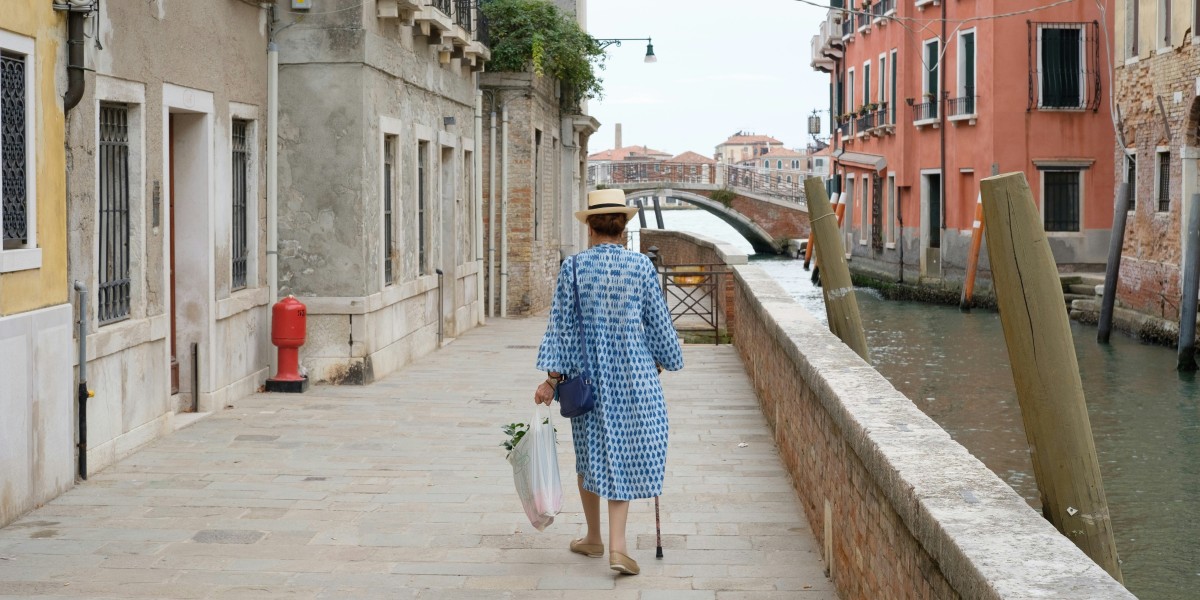
Climate, scenery and lifestyle variety
One of the reasons retiring in Italy ranks so high in those rankings is just how much it packs into a relatively compact country. International Living describes it as “roughly the size of California”, but with a remarkable range of climates and landscapes.
- In the south, regions like Sicily offer palm trees and hundreds of sunny days each year.
- Head north, and you’ll find crisper air and a great quality of life in Turin or the Dolomites. While mid‑sized cities such as Parma and Verona offer a gentler, temperate middle ground.
- If you’re drawn to water, you’ve got lakeside options like Lago Maggiore or Lake Trasimeno, plus long coastlines on the Tyrrhenian, Adriatic and Mediterranean seas.
- There are also over 400 islands—layered with vineyards, ornate cathedrals, piazzas, ruins, canals and world‑class art.
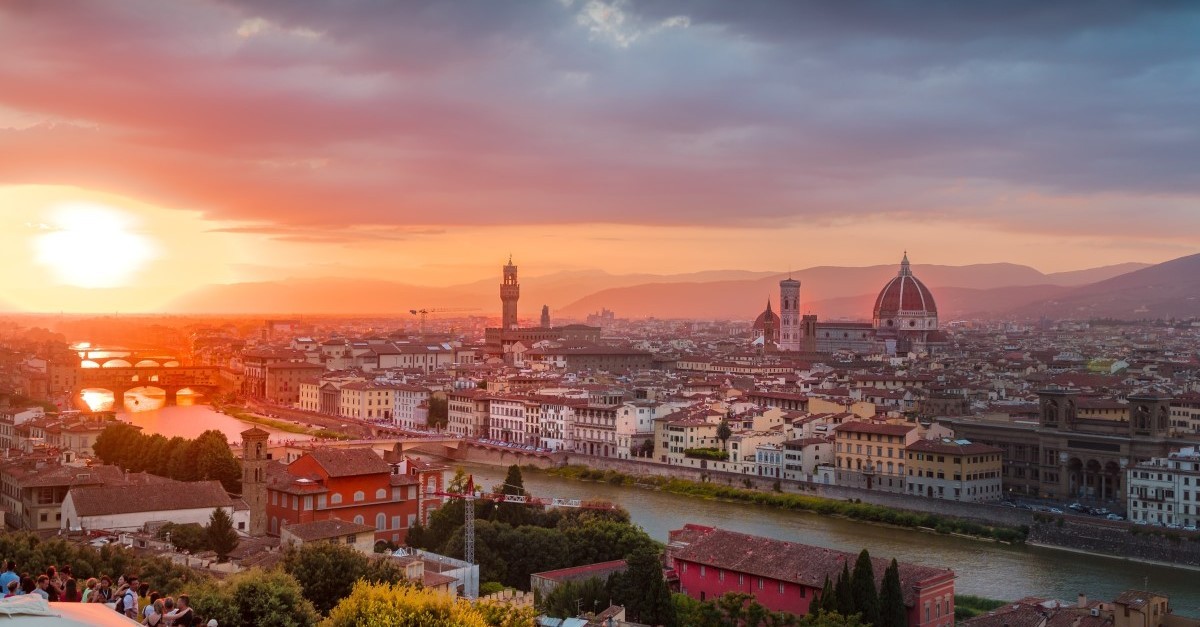
Cost of living for retirees in Italy
You don’t have to be rich to retire here, especially if you look beyond Rome, Milan and Venice. You'll find areas in some major Italian cities where rent is still pretty cheap.
Living in southern Italy is pretty affordable, with examples like an 80m2 apartment in Lecce's historic centre averaging €10 per m2 at the end of 2025. This makes rent around $935 (roughly €800) per month.
Across smaller towns and villages, there are even one‑bedroom flats—often furnished—from as little as $400 per month.
Calabria is the cheapest region to buy property, with an average of €912 per m2. This is considerably lower than the national average, which is €1,863 per m2. Plus, on average, property is cheaper than in Spain (€2,639 per m2) and Portugal (€3,019 per m2).
Everyday expenses
The amount of money you need to live comfortably in Italy, of course, depends on your lifestyle. However, for retirees used to UK, US or German prices, many Italian everyday costs—especially outside tourist hotspots—can feel pleasantly low.
- Utilities & basics: Mobile phone plans around $11 per month, home internet roughly $25, and weekly groceries for one person at about $50 (International Living).
- Eating out: a relaxed three-course dinner for two in a modest restaurant comes in at around $80 (Numbeo).
Healthcare and visas for retirees in Italy
For retirement, the big practical questions are always healthcare and the right visa. Here, too, Italy performs strongly in the International Living rankings.
- Healthcare experience in Italy: care tends to be of high quality, free on the national health system and pretty affordable if you choose to go private.
- Getting residency in Italy: the Elective Residency Visa (ERV) is the most accessible route for those with sufficient passive income. Generally, you’ll need at least €31,000–€38,000 annually (for a single applicant) from pensions, investments, or rental income
Transport, daily life and community
Once you’ve ticked off the visa and paperwork, the rhythms of everyday life in Italy are surprisingly gentle.
- In major cities, you can often skip owning a car as public transport is reasonable and city centres tend to be quite compact.
- Expat communities are alive and kicking in Italy, with MeetUp, Facebook and WhatsApp groups for book clubs, yoga, archaeological outings and more.
- Italians are portrayed as friendly and eager to help, but having basic Italian makes daily life and bureaucracy far smoother.
- Food is a huge part of social life, too. Italian cuisine is taken so seriously that it is the first cuisine in the world to be recognised by UNESCO.
Why Italy is also one of the safest places to retire
For retirees, feeling safe in everyday life is non‑negotiable, and this is where Italy quietly shines. In International Living’s The 11 Safest Places to Retire in 2026, Italy ranks 6th. The article cites the following figures:
- The country has a violent crime rate of 0.51 per 100,000 inhabitants (versus a global average of 5.61)
- Italy has roughly twice as many police officers per capita as the United States.
- On the roads, Italy has less than half the road fatalities per 100,000 people compared to the U.S.
- Italians live on average around five years longer than Americans

Stay in the know about living in Italy as a foreigner—get our weekly newsletter for the latest travel, legal, and lifestyle news.
For a taste of the high life, sign up for the monthly luxury market round-up.