Thinking about spending your retirement in Italy? You’re not the only one. Interest from UK, US and German retirees has climbed steadily in recent years, as more people look for a mix of sunshine, slower living and good healthcare. The best places to retire in Italy offer tempting advantages like surprisingly affordable housing, an incredible quality of life, and weather to fully soak up.
- Is Italy a good place to retire in 2026?
- Where is the best place to retire in Italy?
- Sicily - sunny, affordable island life
- Apulia - relaxed coastal living and friendly locals
- Abruzzo - mountains, countryside and authentic villages
- Tuscany - wine country and culture-rich towns
- Lazio - Rome, history and excellent healthcare
- Lombardy - city culture and lakeside luxury
- Liguria - mild climate and seaside charm
- Where is the cheapest place to retire in Italy?
- Spain vs Italy: which is cheaper to retire?
Is Italy a good place to retire in 2026?
For many people, Italy ticks an awful lot of retirement boxes. You get a high quality of life, a strong public healthcare system, and day-to-day life that still revolves around food, community and time spent outdoors. In fact, Italy ranked 6th in the world for the best countries to retire to in 2026.
Compared with some other Western European countries, Italy can be relatively affordable for a retiree if you avoid the most famous cities and coastlines. Everyday costs like a coffee at the bar, an aperitivo in the early evening, or fresh produce at a local market can be pleasantly low, especially in the south and in smaller towns.
Where is the best place to retire in Italy?
Choosing where to retire in Italy really comes down to your budget, your ideal climate, and how “Italian” you want your day-to-day life to feel. We’ve focused on seven regions that consistently stand out for foreign retirees:
- Budget-friendly regions: Sicily, Abruzzo, Apulia
- Mid-range/authentic: Liguria, Tuscany
- Premium but high services: Lazio, Lombardy
Sicily - sunny, affordable island life
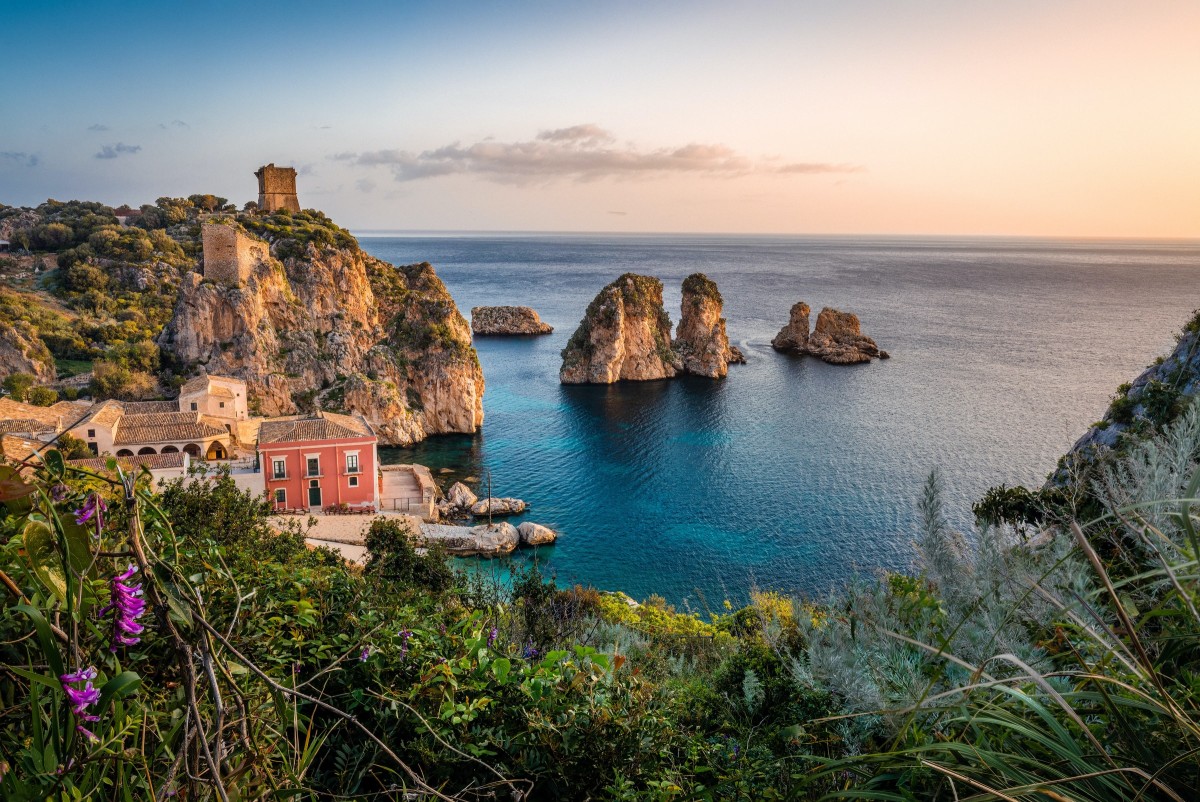
If you want sunshine, sea and a gentler pace of life without a giant budget, Sicily is one of the best regions to retire in Italy in 2026. The island offers dramatic coastlines, historic cities, and countless small towns where life still moves to the rhythm of the local piazza and weekly market.
Sicily is generally more affordable than the national average, particularly if you avoid the most touristy coastal hotspots. The trade-off is that services can be patchier in very rural areas, and you’ll find fewer English speakers once you step away from the main cities and tourist zones.
Apulia - relaxed coastal living and friendly locals
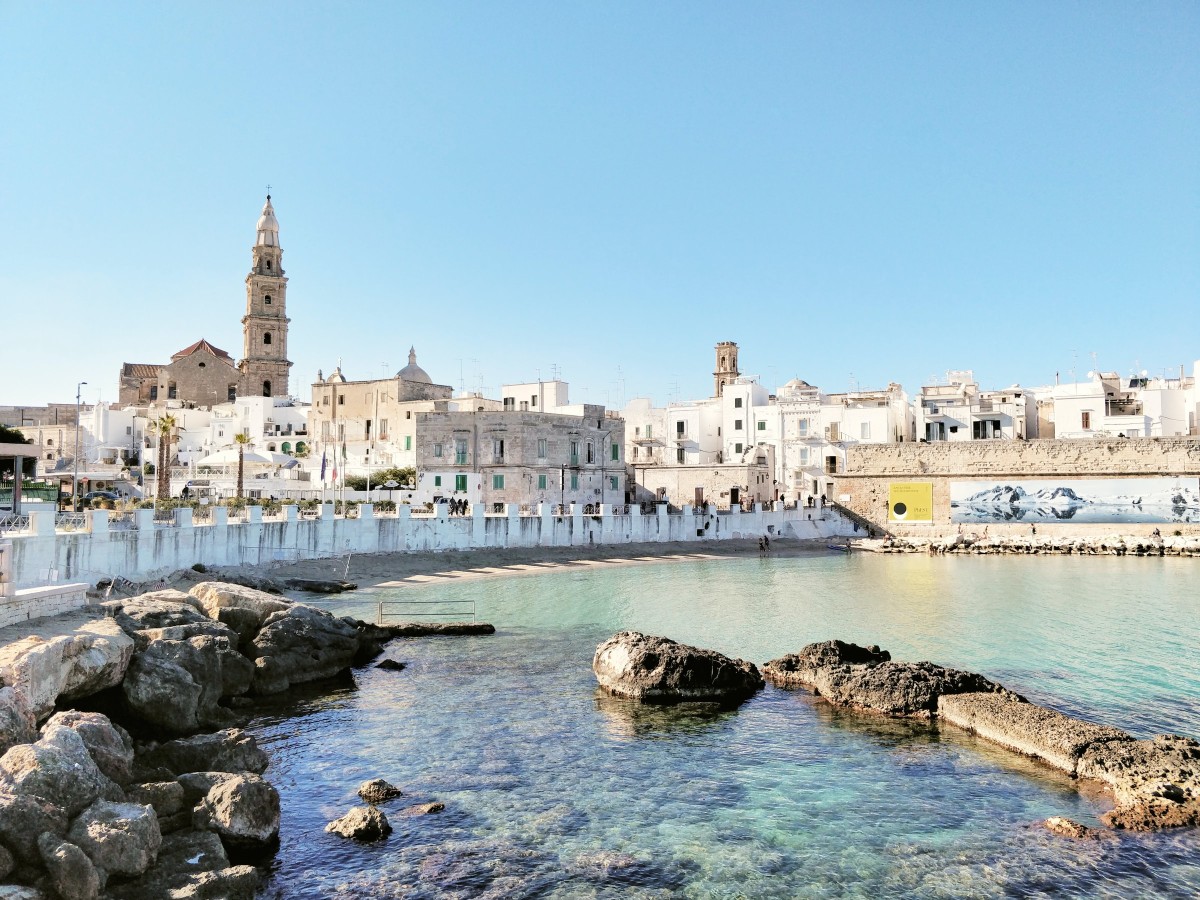
Down in the heel of Italy’s boot, Apulia (Puglia) has quietly become a favourite with retirees who want coastal living without the crowds of the Amalfi Coast or Liguria. Towns like Monopoli, Polignano a Mare, Ostuni and the regional capital Bari combine whitewashed historic centres with easy access to the Adriatic Sea.
Compared with central and northern regions, Apulia still offers relatively affordable retirement in Italy, especially in smaller inland towns and Puglia's 1 euro villages. One of Apulia’s real strengths is the warmth and patience of the locals, particularly with foreigners who are still learning Italian. The expat community is growing - as is Puglia's real estate - but it remains small, so you get a more authentic Italian feel than in heavily international areas.
Abruzzo - mountains, countryside and authentic villages
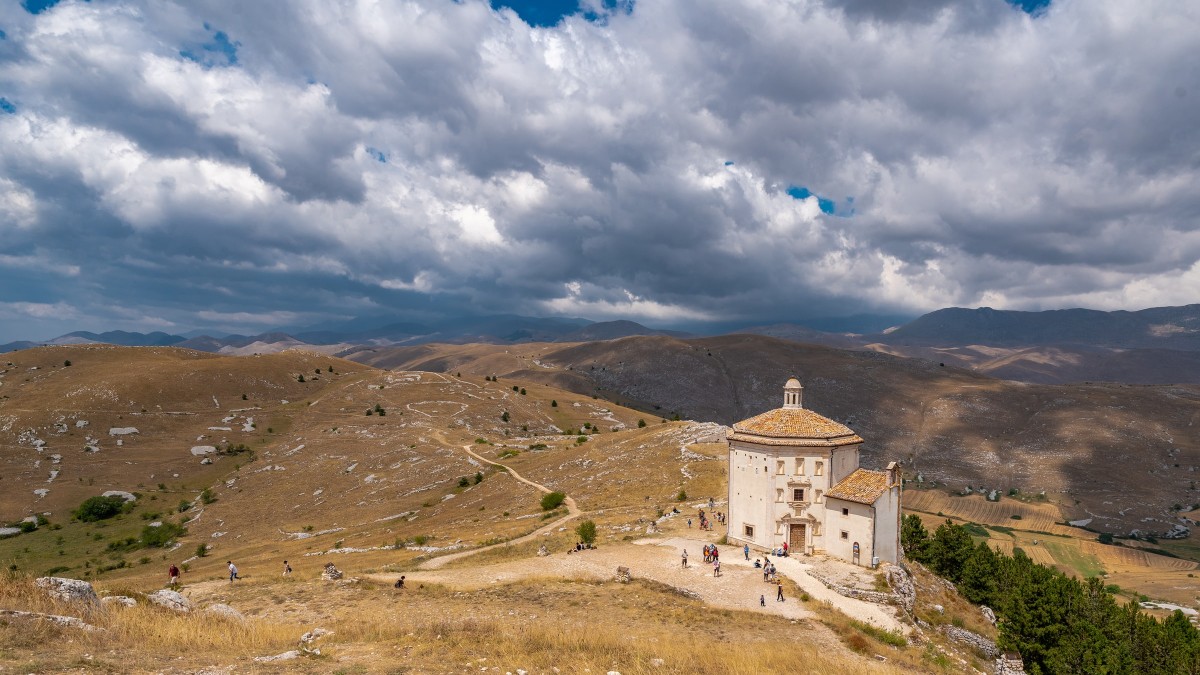
If you like the idea of quiet villages, mountain views and a strong sense of traditional life, Abruzzo deserves a serious look. This central region stretches from the Adriatic coast to the Apennine Mountains, offering everything from small seaside towns to hilltop villages and national parks.
Abruzzo is often highlighted as one of the best regions in Italy for retirees who want good value for money. The trade-off is a smaller expat community and more limited English in day-to-day life, especially inland.
Tuscany - wine country and culture-rich towns
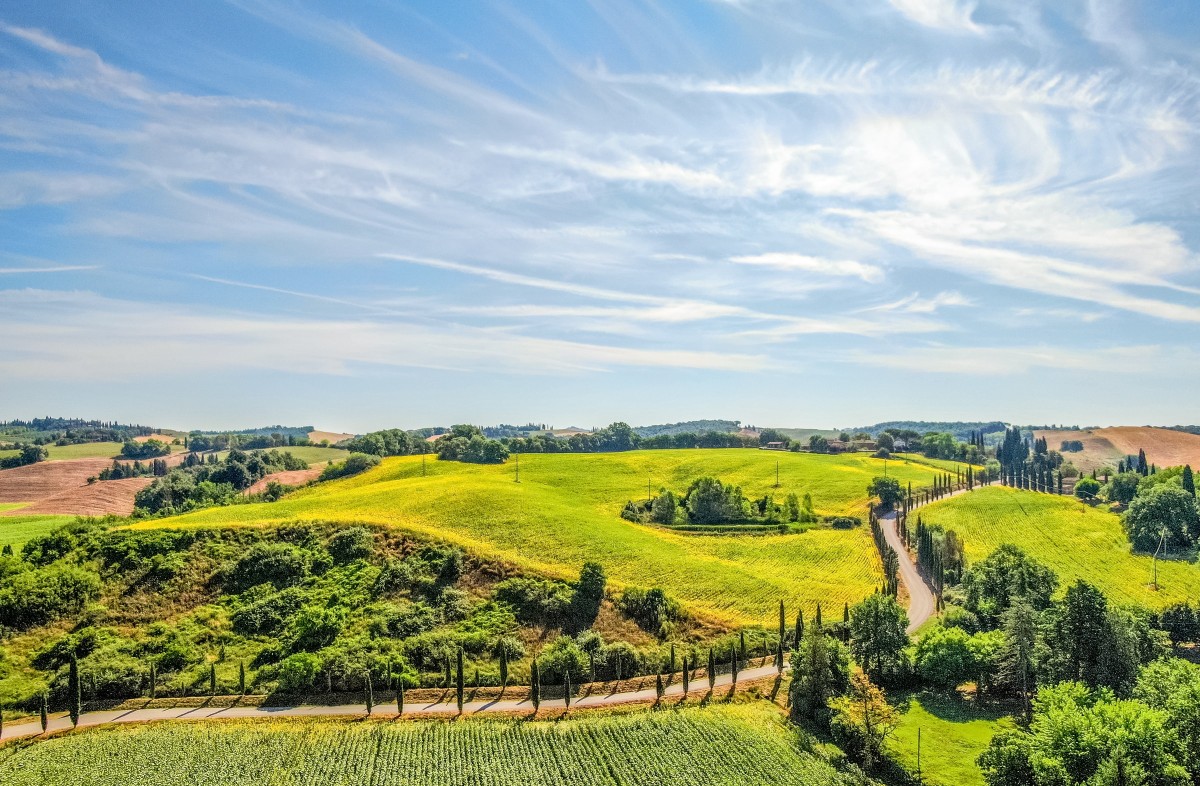
Tuscany is the Italy many retirees have always imagined: rolling hills, cypress trees, hilltop villages and endless vineyards. The region’s capital, Florence, is one of Europe’s great art cities and has a sizeable international community. Smaller towns like Lucca, Arezzo and Cortona attract retirees looking for culture without the full tourist crush.
Tuscany sits firmly in the mid-range to premium bracket. It’s rarely the cheapest place to live in Italy for retirees, especially in areas popular with wealthy international buyers. On the flip side, you get excellent healthcare facilities and good train connections to Rome and Milan. Plus, some of the best places to live in Tuscany are arguably the most beautiful spots in the whole country.
Lazio - Rome, history and excellent healthcare

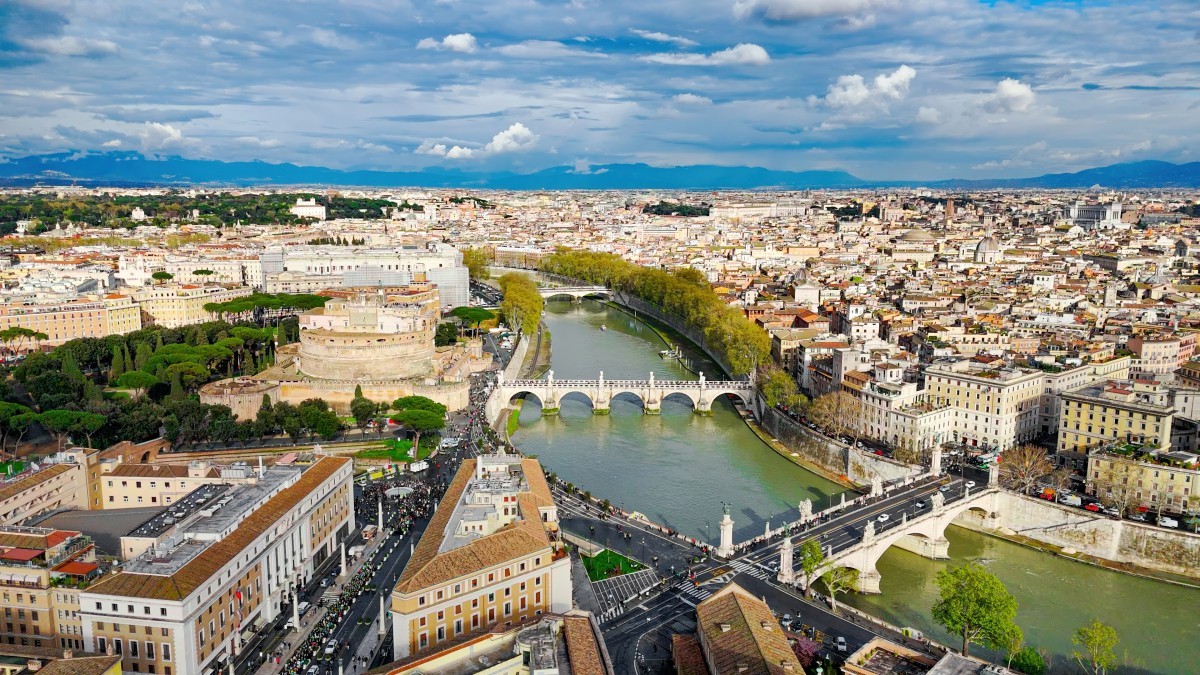
If you’re drawn to city life, museums and big-hitting historic sites, Lazio – home to Rome – is one of the best places to retire in Italy in 2026. The capital offers world-class healthcare, a large and varied expat community and major international airports. Plus, it has more restaurants, galleries and concerts than most retirees could ever need.
Lazio is a premium region when it comes to the cost of living. Rome has some of the highest housing costs in the country. However, prices can drop sharply if you look at smaller towns and suburban areas with direct train links to the city. If budget allows and you like a livelier retirement, Lazio offers a rich, urban lifestyle combined with easy day trips to beaches, lakes and hilltop towns.
Lombardy - city culture and lakeside luxury
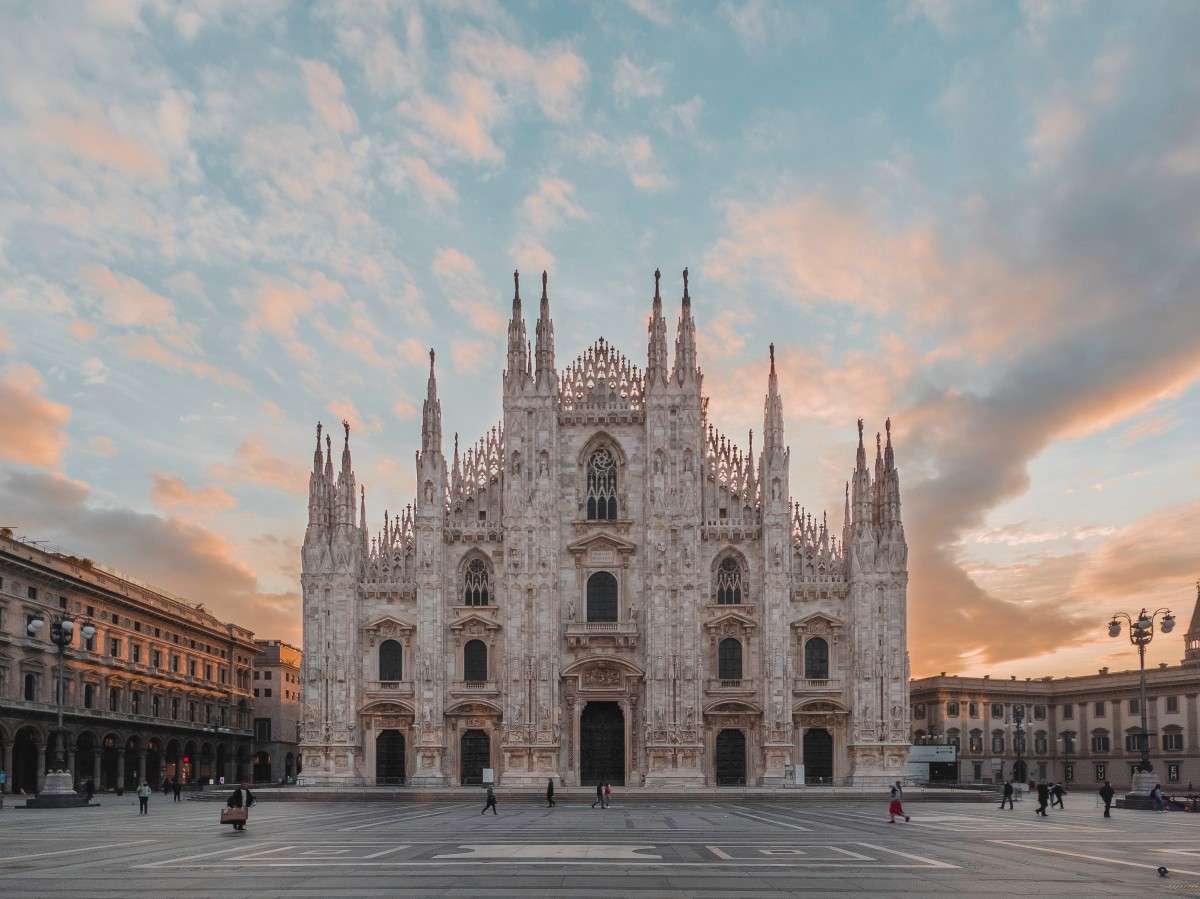
In the north, Lombardy centres on Milan, Italy’s business and fashion capital. For retirees who want a cosmopolitan city with high-end shopping, theatres, opera, and excellent rail links across Europe, Lombardy is a strong contender. It also includes some of Italy’s most beautiful lakes, such as Lake Como and Lake Garda, which have long attracted wealthy Italians and foreign buyers.
Lombardy is one of Italy’s most expensive regions for housing and day-to-day costs. That said, there are more affordable corners if you move away from the main hotspots and look at smaller towns within commuting distance. The upside is excellent infrastructure and a dynamic cultural scene.
Liguria - mild climate and seaside charm
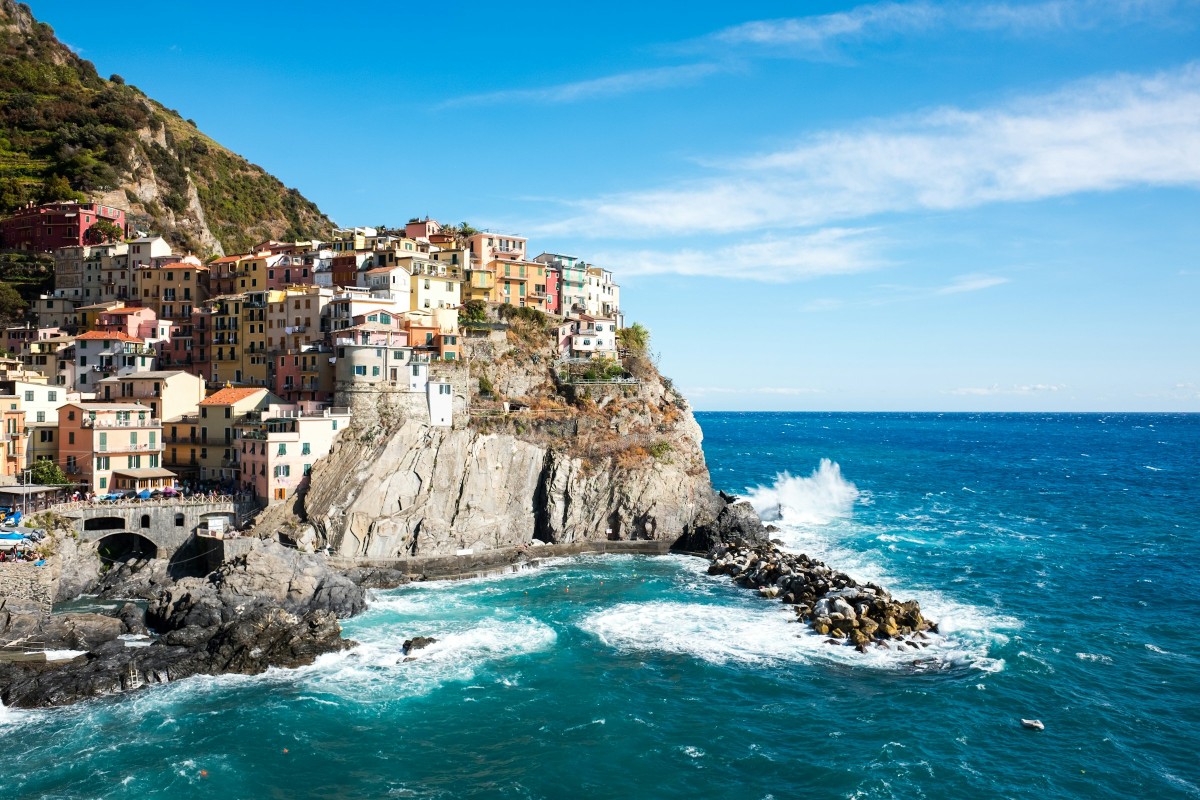
Stretching along the northwest coast from the French border, Liguria offers dramatic cliffs, colourful harbours and a famously mild climate. Places like Sanremo, Alassio, Rapallo and the Cinque Terre have been attracting retirees and holidaymakers for generations, and the region’s compact size means you’re rarely far from the sea.
Liguria falls into the mid-range to high bracket for both housing and general costs. If you’re looking for an Italian Riviera feel, are happy with moderate-to-high costs, and like the idea of a coastal retirement that isn’t as hot as the deep south, Liguria is well worth considering.
Where is the cheapest place to retire in Italy?
If your top priority is budget, some parts of Italy are noticeably cheaper than the famous regions and big cities. Some budget-friendly options to investigate that generally show lower average property prices:
- Sicily – the region with the most 1 euro house schemes
- Abruzzo – mountain and countryside living at prices below those of many central regions.
- Calabria – long stretches of coastline, small towns, and some of Italy’s lowest housing costs.
- Molise – very quiet, rural and often overlooked, but appealing if you want a peaceful, low-cost retirement.
Smaller inland towns and rural areas within these regions can be especially good value.
Spain vs Italy: which is cheaper to retire?
If you’re hesitating between Italy and Spain, cost is often a deciding factor. In broad terms, Spain tends to be cheaper overall for housing and day-to-day expenses, especially in certain inland areas. Italy is more variable by region: some parts of the south can match or undercut Spain, while major Italian cities and famous regions are usually more expensive.
Stay in the know about living in Italy as a foreigner—get our weekly newsletter for the latest travel, legal, and lifestyle news.
For a taste of the high life, sign up for the monthly luxury market round-up.