Thinking about spending your retirement in Italy? You’re not the only one. Interest from UK, US and German retirees has climbed steadily in recent years, as more people look for a mix of sunshine, slower living and good healthcare.
Italy isn’t just for long weekends in Rome or selfies in Venice anymore. According to International Living, Italy ranks firmly in the top ten places to retire.
Italy’s big survey by a respected national financial newspaper is a handy starting point if you are trying to pin down the best places to live in Italy for quality of life.
Italy moves on unspoken rules and long‑standing habits. The ten things not to do in Italy are mostly about small courtesies—how you order, how you greet, and how you handle day‑to‑day travel.
Moving to a new country always comes with a lengthy to-do list, and sorting out healthcare is often near the top. When the destination is Italy, a place with a certain reputation for paperwork and bureaucracy, this task can feel particularly daunting.
Happiness is definitely a subjective thing, but there are factors that can influence how satisfied people feel with their city. So, it's natural to wonder: which is the happiest city in Italy?
According to the RE/MAX European Housing Trend Report 2024, the lack of balconies and gardens, combined with rising energy costs, is fuelling housing dissatisfaction in Italy and across Europe. In line with the European average, 24% of Italians want to move home.
The annual survey by the Italian newspaper Il Sole 24 Ore on the quality of life in various Italian cities and provinces has recently been published. The well-being felt by residents and the services offered greatly influence the livability of an Italian city and its province.
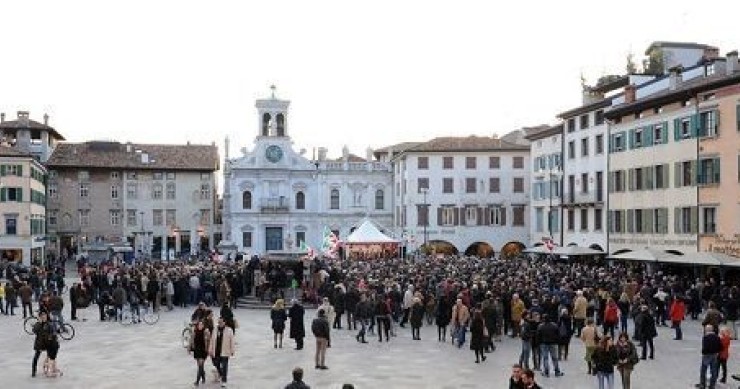
For the first time in 34 years, the Sole 24 Ore's annual survey on the quality of life, based on 90 parameters not only economic, assigns the province of Udine the first place in the ranking, followed on the podium by Bologna and Trento.
In 2022, more than one in ten young people (11.7 per cent) in the EU aged 15-29 were neither employed nor educated or trained (NEET), which represents a decrease of 1.4 percentage points compared to 2021.
Italy is known across the world as a beautiful country with a rich cultural heritage, delicious food, and stunning landscapes. The quality of life in Italy can vary depending on a range of factors, including where in the country you live, your socioeconomic status, and your personal preferences.
In December 2022, the number of jobseekers in Italy increased (+0.1%, i.e. +2 thousand compared to November) among women, 25-34 year olds and those over 50. The total unemployment rate in Italy is stable at 7.8%, while the youth unemployment rate drops to 22.1% (-0.5 points).
2022 was not a good year on the pollution front in Italian cities. According to Legambiente, which published the report "Mal'Aria di città 2023: cambio di passo cercasi" (Bad Air in Cities 2023: a change of pace wanted), last year 29 cities out of 95 exceeded the daily PM10 limits.
The 33rd edition of the Sole 24 Ore quality of life survey, which highlights the best places to live in Italy, certifies Bologna's leadership, followed on the podium by Bolzano and Florence.
The Italian newspaper, Il Sole 24 Ore, has released its 2022 Quality of Life ranking, this year rewarding the Italian cities and provinces with the best living environment by age group. The categories include 'children' 0-10 years, 'young people' 18-35 years, and 'the elderly' over 65.
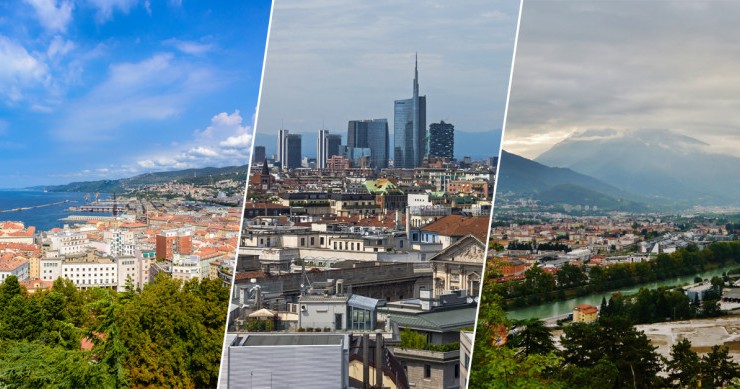
People live better in the north-east. This is according to the quality of life in Italy classification, drawn up every year by Il Sole 24 Ore, which crowns Trieste as the city with the best living conditions in Italy in 2021 and places various other cities in the area in the top ten.
How much do you need to live comfortably in Italy? What is the cost of living in Italy? These are just some of the questions we aim to answer in this guide to the cost of living in Italy in 2021.
The COVID-19 pandemic has not only taken the lives of many Italians, but has affected life in the country in so many ways, having an economic and social impact on Italy as consequences of the virus.
An agreement has been reached between the Italian government and the regions of the country on the guidelines for the next stage of reopening Italy after the COVID-19 health crisis.