Living in an Italian wine region is very different to popping in for a tasting on holiday. Daily life runs on the rhythm of the vines, with tractors as your morning soundtrack and grape harvests filling the lanes in autumn. Lots of Americans, Brits and northern Europeans are quietly buying up farmhouses and village homes in these areas, so there is already a small but growing international crowd in many valleys.
- How to choose the best Italian wine region to live in
- The 5 most famous wine regions of Italy and how they work as places to live
- Tuscany: classic red wines and the expat favourite
- Puglia: sea views, old vines and laid‑back village life
- Piedmont: Barolo, truffles and Alpine vineyard living
- Sicily: Etna wines and Mediterranean island life
- Veneto: Prosecco hills, Verona and lagoon escapes
How to choose the best Italian wine region to live in
Before getting attached to one postcard view, it helps to think about the basics of climate, landscape and what sort of day‑to‑day life you want. Some regions home to Italy's best wineries are all rolling hills and stone villages, others are flatter and coastal, and a few have a more Alpine feel with proper winters and snow on the peaks.
Costs in wine regions tend to be lower than in major cities, but famous names like Chianti or Barolo still carry a premium. Less-hyped valleys often have far better deals on both rent and houses to buy.
There is also the agricultural side of winemaking in Italy to think about. DOC and DOCG wine zones come with strict rules on yields and harvest dates, which means your surroundings will be very busy in late summer and autumn.
A simple way to narrow things down is to ask yourself:
- Do you want hot, dry summers or are you happier with cooler, misty mornings and proper seasons?
- Would you rather be within an hour of a major city or tucked away in a rural valley?
- Is your priority world‑class red wines, fresh whites, sparkling wines, or just a pleasant local table wine culture?
- Are you relying on local work or bringing remote income with you?
- How comfortable are you with fewer English speakers and slower bureaucracy?
The 5 most famous wine regions of Italy and how they work as places to live
When people talk about “the best Italian wine regions”, the same names tend to pop up: Tuscany, Piedmont, Veneto, Sicily and Puglia. They are famous for good reasons, with serious winemaking traditions, iconic appellations and strong identities.

- Tuscany has classic postcard scenery, big reds and a long history of international residents.
- Puglia brings long summers, sea views and old vines.
- Piedmont is cooler, more low‑key and very food‑driven.
- Sicily combines volcanic terroir around Etna with island life and generally lower costs.
- Veneto stretches from the Prosecco hills down to the lagoon near Venice, mixing prosperous small cities with rural vineyard belts.
Tuscany: classic red wines and the expat favourite
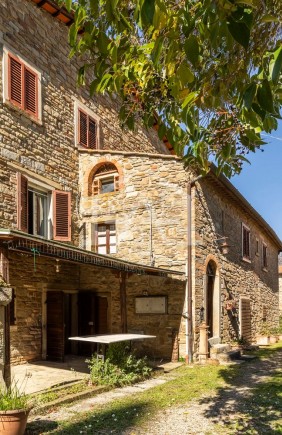
Tuscany is the classic image of an Italian wine region to live in: soft hills, cypress‑lined drives and hilltop villages. Daily life runs between market towns, vineyard lanes and quick trips into Florence or Siena when you need a city fix.
The culture is very used to foreigners, so you hear a fair bit of English in the more popular valleys, especially around Chianti. At the same time, there are still plenty of pockets where life moves quietly and the local bar is the real social hub.
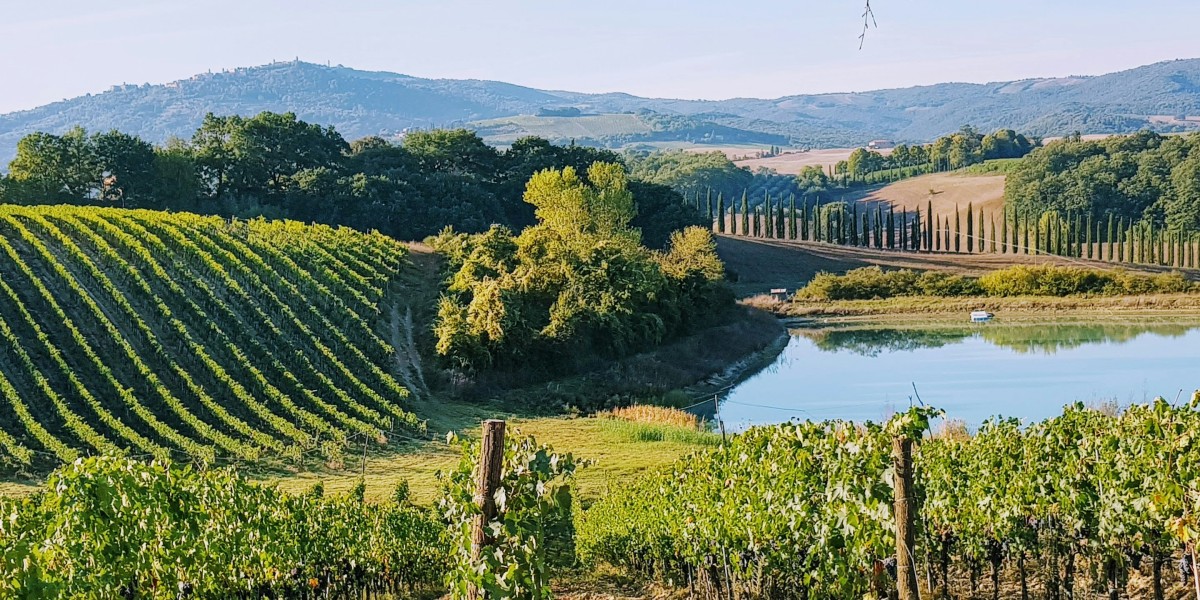
Why live in the Tuscany wine region: a good balance of village life, beautiful landscapes and reasonably easy access to airports, fast trains and big‑city healthcare.
Climate: warm, dry summers and mild, sometimes rainy winters, with cooler temperatures in the higher inland hills.
Most popular wines: Sangiovese‑based reds such as Chianti Classico, Brunello di Montalcino and Vino Nobile di Montepulciano.
Cost and expat scene: among the priciest wine areas, with average property prices at €2,407 per m2 in November 2025, but with one of the strongest expat communities.
Puglia: sea views, old vines and laid‑back village life
Puglia feels long and linear, following the curve of the Adriatic and Ionian coasts. It boasts whitewashed towns perched above the sea and farming villages inland. The landscape is flatter than in Tuscany or Piedmont, dotted with olive trees, dry‑stone walls and the occasional fairytale trullo roof.
Life leans heavily on outdoor evenings in summer, simple trattorie and long family gatherings. It has become popular with foreign buyers and in the luxury real estate world, but it still feels less internationalised than central Italy.
Why live in the Puglia wine region: attractive to anyone chasing warmth, sea air and easier property prices within reach of decent airports.
Climate: very warm, dry summers with lots of sunshine, and relatively mild winters, though it can be windy along the coasts.
Most popular wines: bold reds from Primitivo and Negroamaro, often from very old bush vines, plus a growing range of fresher rosés and local whites.
Cost and expat scene: property and everyday costs are often lower than in the north, with a scattered but visible expat presence that is strongest in a few well‑known towns and coastal stretches.
Piedmont: Barolo, truffles and Alpine vineyard living
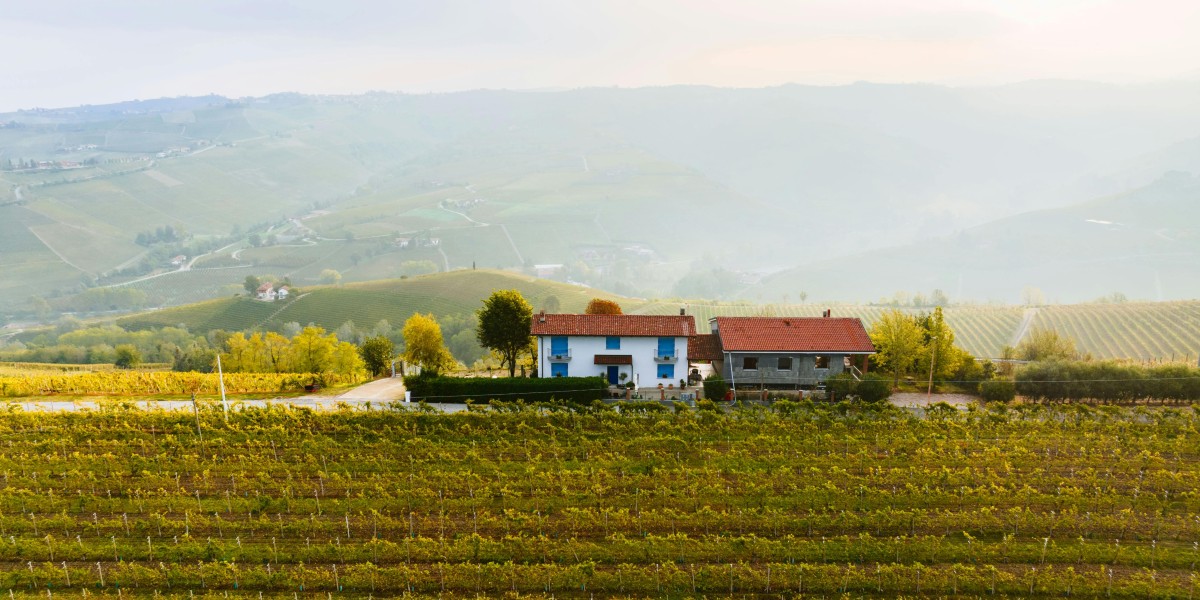
Piedmont feels quieter and more introspective than Tuscany, with misty mornings, castle‑topped hills and the Alps sitting on the horizon. Villages are small and often built around a single street or piazza, and the year is anchored by harvest season and truffle fairs.
It is a region for people who enjoy cosy winters, long lunches and a food culture that leans into rich sauces and slow braises. The bigger towns, and Turin itself, give you a more urban contrast when you want it.
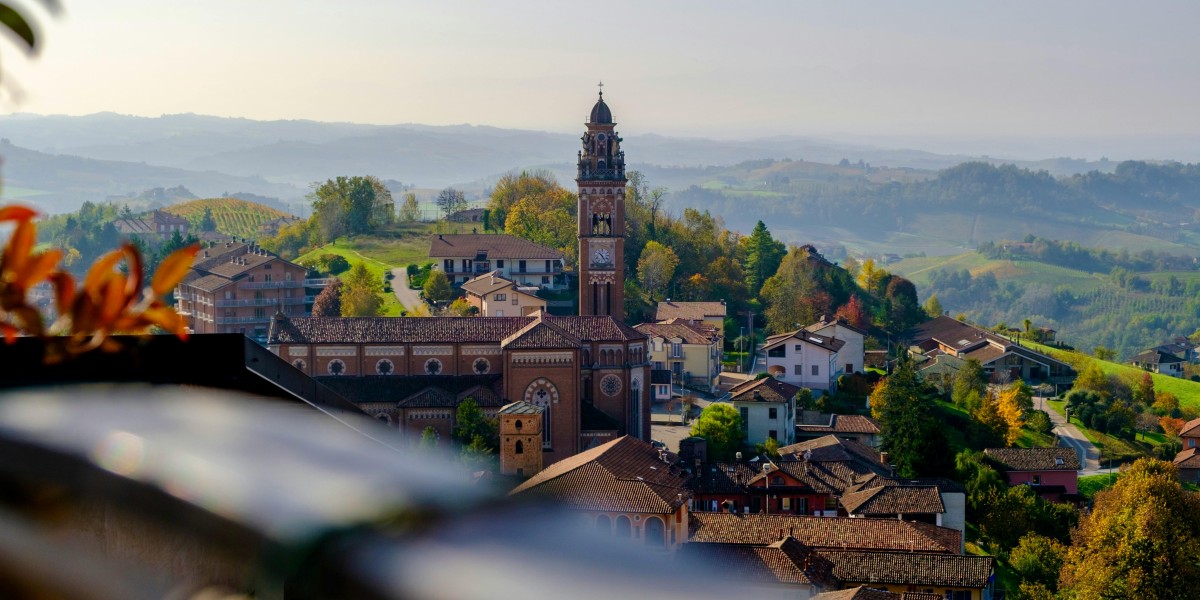
Why live in the Piedmont wine region: good for slower, food‑centric living with serious wines and views that feel almost Alpine once the skies clear.
Climate: hot but not extreme summers, foggy and often chilly winters, and very defined seasons.
Most popular wines: Barolo and Barbaresco made from Nebbiolo, plus more everyday Barbera and Dolcetto and local whites like Arneis.
Cost and expat scene: generally better value than central Tuscany for similar vineyard views, though expat pockets are small and quite spread out.
Sicily: Etna wines and Mediterranean island life
Sicily has a wilder feel, with dramatic volcanic slopes near Etna, bright Baroque towns and long stretches of coastline. Life can be very local, with long lunches, late dinners and a stronger sense of tradition than in many northern regions.
Away from the main cities, days are shaped by farming, fishing and tourism rather than offices and industry. It suits people who want warmth, sea and a more intense sense of place, and who are happy to adapt to local rhythms.
Why live in the Sicily wine region: lower costs, plenty of sunshine and the feeling of being in a distinct island culture, with wine as a growing strength.
Climate: hot, dry summers, especially inland and in the south, with mild winters on the coast and cooler temperatures on Etna’s slopes.
Most popular wines: Etna Rosso and Etna Bianco from volcanic soils, plus Nero d’Avola, Frappato and island whites like Grillo and Catarratto.
Cost and expat scene: generally cheaper than northern regions, with smaller and more scattered expat communities and a bigger need for Italian in day‑to‑day life.
Veneto: Prosecco hills, Verona and lagoon escapes
Veneto stretches from lake and mountain scenery down to the Venetian Lagoon. Around Verona and Vicenza, you get handsome, lived‑in cities with theatres, bars and proper year‑round life.
Up in the Prosecco hills in Italian sparkling wine land, villages sit on steep slopes with vine‑covered ridges in every direction. The region is prosperous and well-connected, which takes some of the stress out of being in the countryside.

Why live in the Veneto wine region: a good choice if you want rural views without giving up on strong transport links, jobs and cultural life.
Climate: warm summers that can be humid in the plains, cooler nights in the hills, and fairly cold, damp winters.
Most popular wines: Prosecco DOC and DOCG from the Conegliano–Valdobbiadene area, Valpolicella and Amarone around Verona, and Soave whites.
Cost and expat scene: property can be more affordable than in famous Tuscan spots, with a modest but growing number of international residents.
Stay in the know about living in Italy as a foreigner—get our weekly newsletter for the latest travel, legal, and lifestyle news.
For a taste of the high life, sign up for the monthly luxury market round-up.