It’s not every day that a major financial and fashion capital is crowned the most walkable city in Europe, but that’s exactly what recent research has found. With headline landmarks clustered within a short stretch of streets, it’s a place where art, architecture and everyday life sit within easy reach of each other.
The most walkable city in Europe
According to Radical Storage’s research, Milan and Porto share the top spot as Europe’s most walkable cities, both scoring 9.9 out of 10.
The luggage storage company measured the average distance between each city’s five most popular attractions, estimated walking time, step counts and elevation gain along the route.
Athens, Copenhagen and Antwerp came in just behind, alongside the Northern Italian city of Bergamo, which says something about how cities in that part of the country tend to be structured.
What makes a city walkable?
Walkability isn’t just about pretty streets. In urban planning terms, it usually comes down to a few practical things:
- A compact historic centre
- High density of landmarks and amenities
- Limited elevation changes
- Pedestrian zones and traffic restrictions
- Reliable public transport when you do need it
Why Milan ranked number 1 for walkability
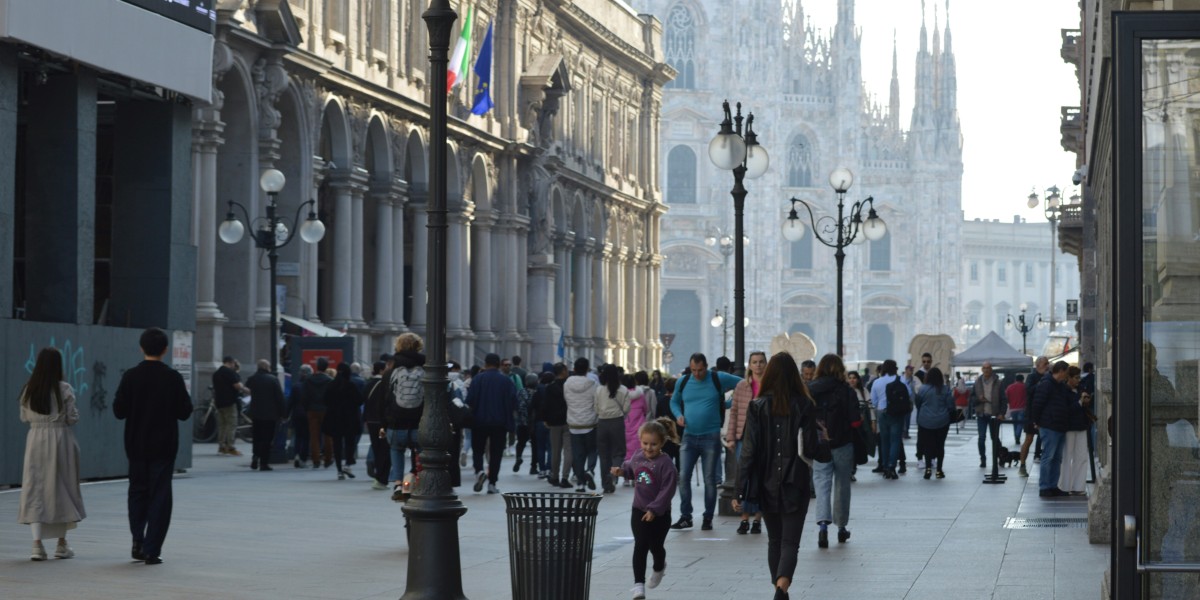
In Milan’s case, the full route takes just 34 minutes on foot, with a total elevation gain of 11 metres.
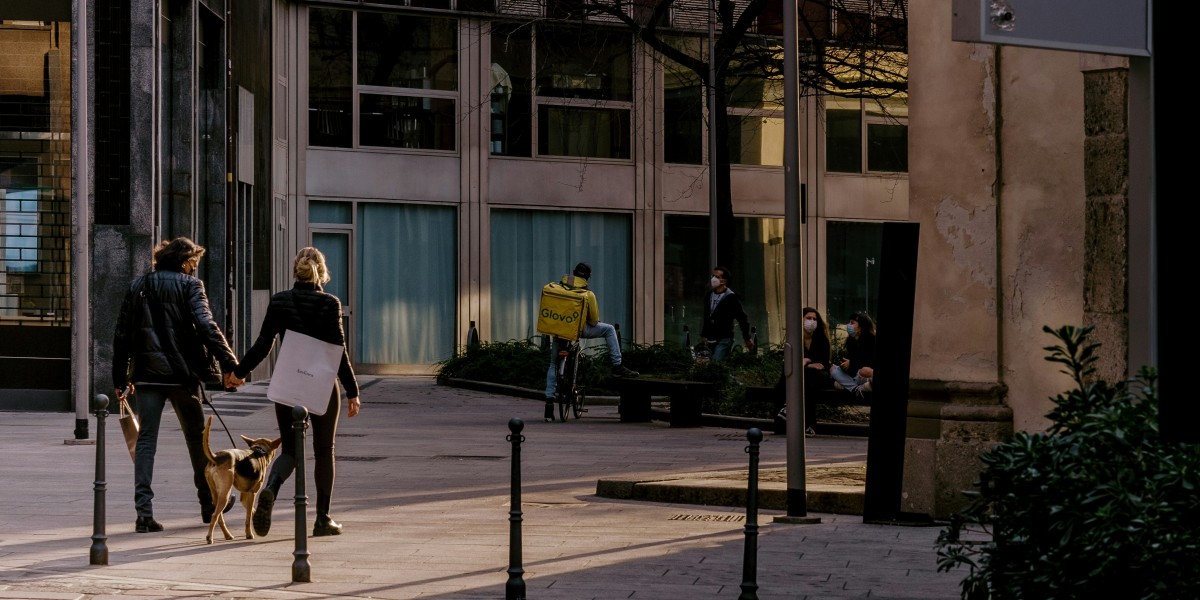
The structure of the historic centre is tight, largely flat, and shaped around walkable streets, with significant car restrictions inside the Area C zone.
The five-stop, 34-minute route:
- Il Cenacolo – home to Leonardo da Vinci’s The Last Supper
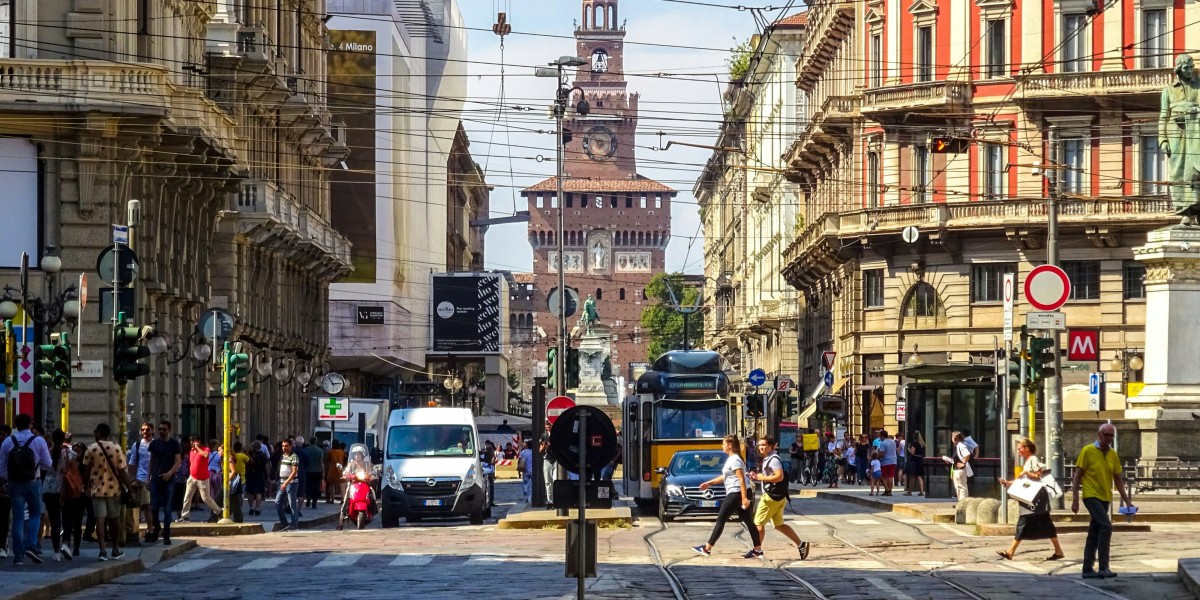
- Castello Sforzesco – the 14th-century fortress that anchors the city’s Renaissance heart.
- Duomo di Milano – the vast Gothic cathedral that dominates central Milan
- Galleria Vittorio Emanuele II – the 19th-century glass-roofed arcade
- I Navigli – the canal district, tying Milan’s historic centre to its contemporary social life.
It’s worth remembering that Radical Storage’s ranking focuses on headline attractions rather than every residential district.
Walkability and quality of life in northern Italy
Northern Italian cities consistently dominate conversations around liveability, regularly topping rankings on the best places to live for quality of life.
Efficient services and shorter commuting times contribute to northern Italy’s strong liveability record. It’s no coincidence that the city also features in broader wellbeing studies, including reports on Italy’s happiest city, ranked 25th globally.
Living in Milan as a foreigner
For someone moving to Milan, walkability isn’t a gimmick. If you live in or near the centre, you may not need a car at all. That’s a significant saving in a city where parking is limited, and fuel isn’t cheap.
Neighbourhoods like Brera and Porta Venezia are popular with international residents. They’re central, well-connected and within easy reach of major landmarks. Navigli draws a younger crowd and creative types, partly because of its social scene and proximity to the city centre.
Milan’s economic weight within Italy also feeds into its infrastructure quality. It isn’t the richest city in Europe, but it is Italy’s financial capital. That economic strength underpins transport investment and urban maintenance, which in turn support its walkability.
Stay inspired for your travels in Italy —get our weekly newsletter for the latest travel, legal, and lifestyle news.