Italy’s big survey by a respected national financial newspaper is a handy starting point if you are trying to pin down the best places to live in Italy for quality of life. This year, Trento tops the list, followed by a handful of northern provinces that quietly score well on work, services and everyday comfort.
- Best places to live in Italy 2025
- Trento: mountain lifestyle and strong job prospects
- Bolzano: bilingual culture and Alpine comfort
- Udine: quiet Friuli life and cross-border connections
- Bologna: university energy and work opportunities
- Bergamo: commuter hub with quality of life
- How the Italian quality of life ranking works
- The north–south divide in Italian quality of life
Best places to live in Italy 2025
The headline list is very northern, very practical and surprisingly diverse once you dig into it. These top provinces tend to deliver decent infrastructure and healthcare as a baseline, then layer on culture, food and landscape.
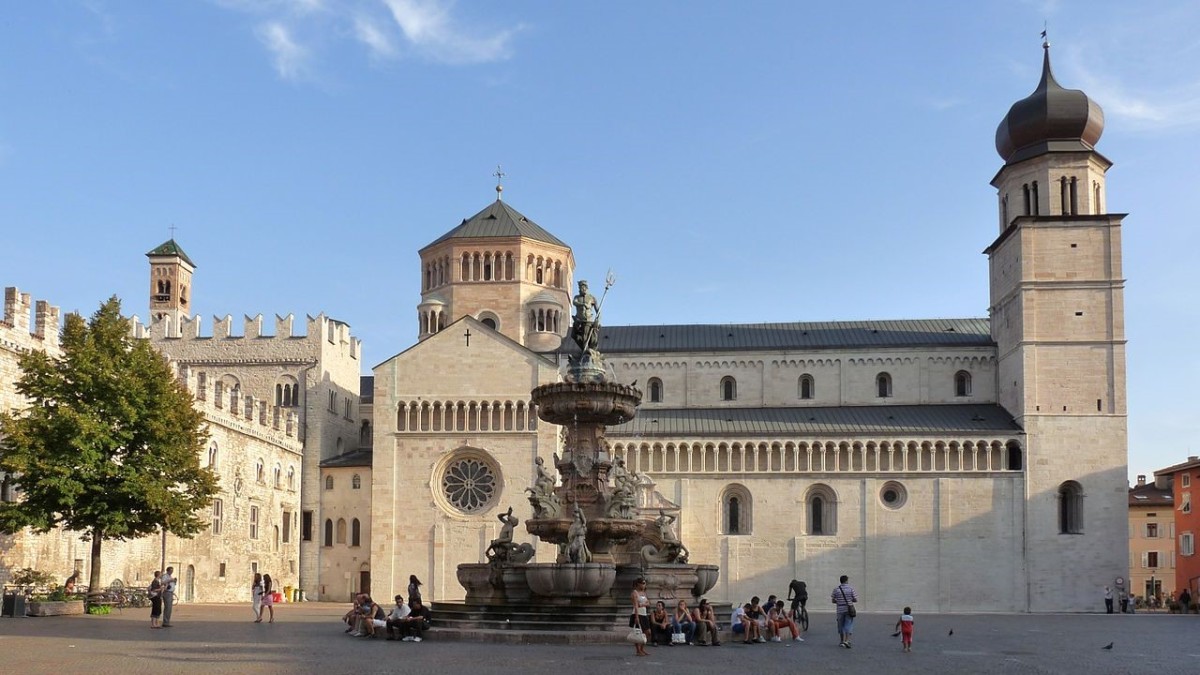
Trento: mountain lifestyle and strong job prospects
Trento sits in a valley in Trentino-Alto Adige, surrounded by peaks and forests, so you get that classic Dolomites backdrop even on an ordinary commute. With a population of 546,000, the city is medium-sized, tidy and fairly academic, with a historic centre full of frescoed façades and a noticeable student presence. You can cross most of the city by bike or on foot, and there is a solid feeling of order in how things run. It suits people who like being outdoors and do not need big-city nightlife on the doorstep.
Quality of life in Trento for expats
- Strong community and social life
- 2nd in Italy for “Demography and society”, with a good balance of students, families and older residents.
- Around 116 non-profit organisations per 10,000 inhabitants, almost double the national average, so loads of clubs and associations to join.
- Work and opportunities
- 5th for business and work, and 17th for wealth and consumption, both on an upward trend.
- A growing number of innovative startups, which is good news if you are in tech, research or want to launch your own project.
- Environment, services and climate
- 8th for environment and services, reflecting decent air quality, reliable local services and good public transport.
- Summers are warm but generally milder than in the south, with fewer intense heat waves.
- Access to mountains and green space helps keep day-to-day life outdoorsy and low-stress.
- Family-friendly and balanced across ages
- High scores for children, young people and the elderly, placing Trento near the top of the generational quality of life rankings.
- Rising birth rate and higher graduation rates among 25–39-year-olds suggest a young, educated population that sees a future there.
Costs and trade-offs of moving to Trento
- Rents and property prices are higher than the Italian average and have risen faster in the last year.
- You get top-tier quality of life, but very much at northern Italy prices.
- Medium-sized city, proper winters and a strong Italian-language environment, so it suits those happy to integrate rather than stick to an expat bubble.
Explore long-term rentals and property for sale in Trento
Bolzano: bilingual culture and Alpine comfort
Bolzano sits in South Tyrol, where Italian and German share equal billing. You feel that mix in everything from street signs to bakery counters. With 539,000 people, the city is framed by vineyards and cliffs, with pastel buildings and wide streets that feel closer to Austria than to Rome. Winters come with snow and Christmas markets, while in summer locals head up to high pastures or nearby lakes. It is an easy place to settle if you like structure and do not mind a slightly reserved social atmosphere.
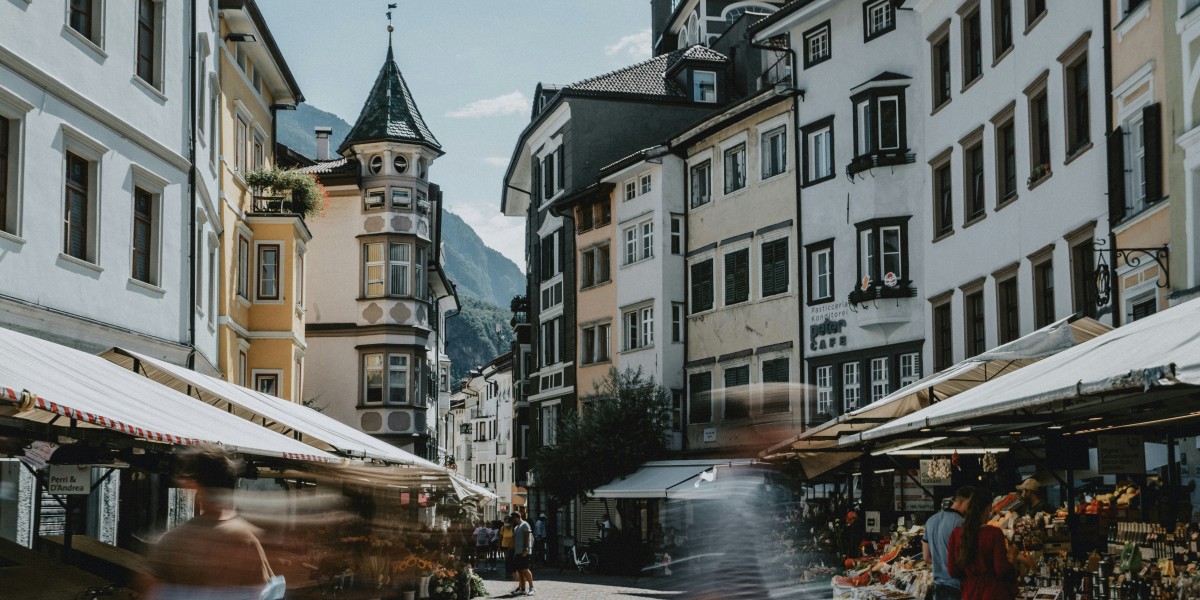
Quality of life in Bolzano for expats
Bolzano is one of the best places to live in Italy for quality of life if you want high salaries, low unemployment and a solid welfare net.
- Wealth and jobs
- 2nd in Italy for “Wealth and consumption”, which points to high incomes and strong spending power.
- The labour force non-participation rate is just 3%, one of the best figures in the country, meaning most people who want to work are working.
- Demography and age groups
- The birth rate is rising, up about 4.8%, which hints at confidence in the future and families choosing to stay.
- In the generational breakdown, it ranks 2nd for young people and 1st for the elderly, which fits the feel of a prosperous, mature, fairly settled province.
- Environment, services and mobility
- Car ownership is fairly high, but there is a big push on cycle paths, with that indicator climbing and ranked 17th.
- Waste sorting rates are improving, which lines up with the area’s reputation for being more eco-conscious than much of Italy.
- Climate-wise, it sees around 7.7 hours of sunshine a day, warm summers and a moderate number of heatwaves and “tropical nights”.
Costs and trade-offs of moving to Bolzano
In practice, Bolzano combines some of the best places to live in Italy for quality of life with some of the steepest housing costs.
- Average rents for a new 100 m² flat in a semi-central area are well above the national average and have risen by roughly 15.1% in a year.
- Average sale prices per m² are up by about 5.9%.
Explore long-term rentals and property for sale in Bolzano
Udine: quiet Friuli life and cross-border connections
Udine has a low-key, local feel, with a pretty central square, arcades and streets that still feel mainly lived in rather than touristy. Life here runs at a calmer pace, with people lingering over aperitivo instead of fighting crowds. You are well-placed for quick trips to Slovenia, Austria and the Adriatic, so weekends can involve anything from mountain walks to beach days or cross-border food runs. With a population of around 516,000 people, the city has enough shops, cafés and services to feel complete without being overwhelming.
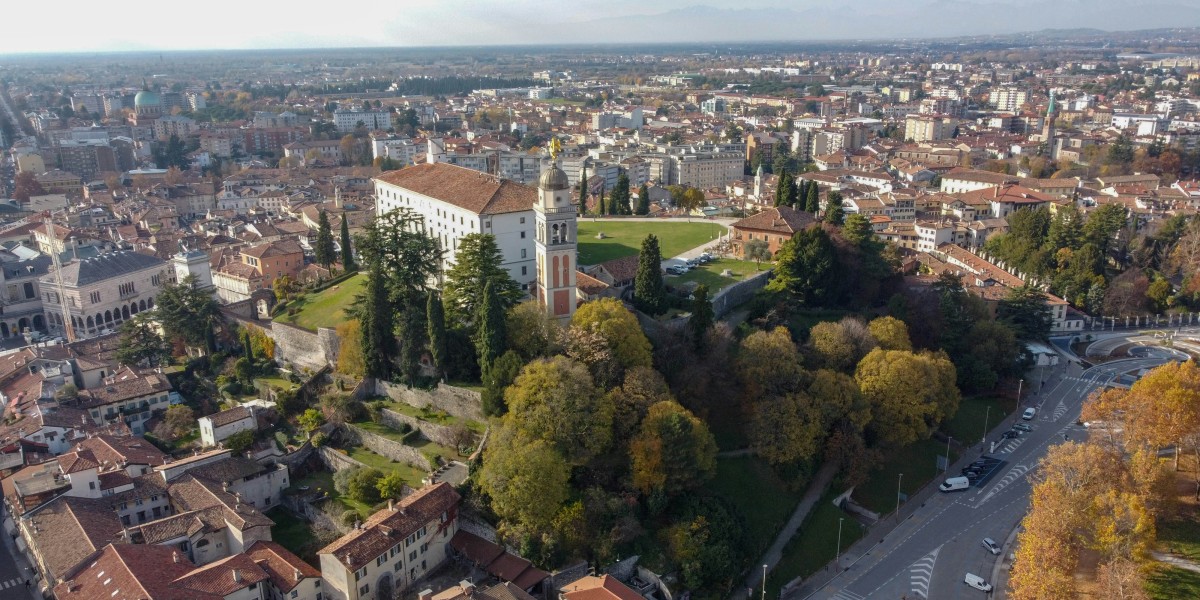
Quality of life in Udine
- Lifestyle, sport and wellbeing
- Udine is 1st in Italy for the number of gyms, swimming pools, wellness centres and spas per 10,000 inhabitants.
- There is also a strong “sportsmanship” score in the culture and leisure indicators, so if you like staying active, there is a lot on your doorstep.
- Safety and social structure
- Udine is 25th for “Justice and security”, sitting comfortably in the safer half of Italy, even if the overall crime index position is mid-table.
- It ranks 99th for the number of old-age pensions per 1,000 inhabitants, which actually means there are fewer pensioners than in most of Italy.
- Children, age groups and family life
- In the generational breakdown, Udine is 8th for children, which is encouraging if you are thinking about schools and family life.
- Culture, bars and going out
- Udine ranks 18th for “Culture and leisure”, with a solid number of shows per thousand inhabitants and a healthy density of bars.
Costs and trade-offs of living in Udine
For an expat, that means Udine is still relatively accessible, but it is not the bargain it once was, especially on the rental side.
- Average rents for a new 100 m² flat in a semi-central area have jumped by around 25% in a year, which is steep, even if they still tend to be lower than in the big northern cities.
- Sale prices per m² are up more gently, by about 3.6%, so buying has not raced ahead as fast as renting.
- The climate index is not one of the best in Italy, with proper heatwaves and a decent number of “tropical nights”.
Explore long-term rentals and property for sale in Udine
Bologna: university energy and work opportunities
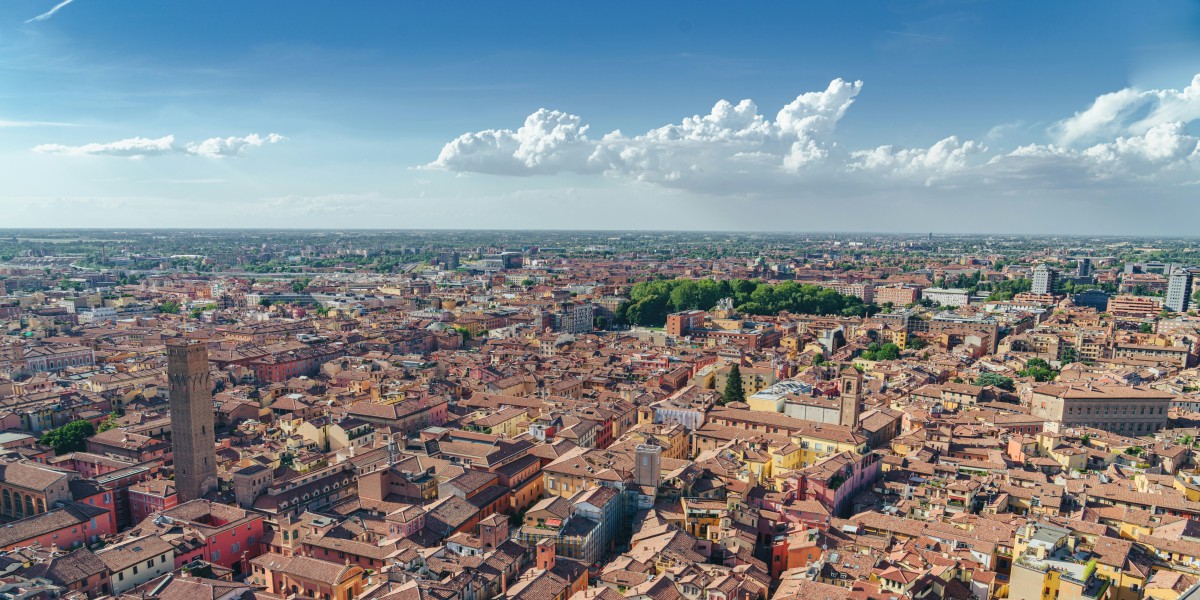
With a population of 1,020,000, Bologna feels immediately more urban than the Alpine provinces, with its terracotta roofs, endless porticoes and streets full of students. You rarely run out of things to do in Bologna, between concerts, cinema, talks and political gatherings in the squares. The city is compact but busy, with scooters, cyclists and the hum of conversation carrying late into the night in some areas. Food is a huge part of the culture, from tagliatelle al ragù to mortadella sandwiches grabbed on the go. It is sociable, a bit noisy, and very easy to get around without a car.
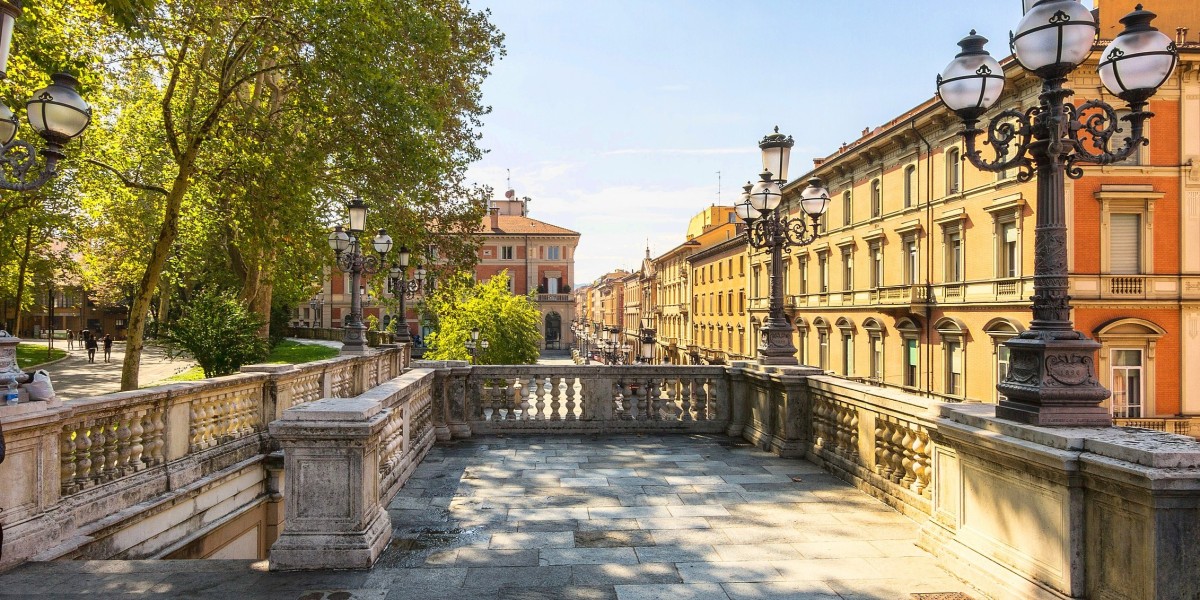
Quality of life in Bologna for expats
For you as an expat, Bologna comes across as one of the best places to live in Italy for quality of life if you want serious job options, decent services, a strong culture and a social, student-heavy atmosphere.
- Education and people
- Bologna is 1st in Italy for the share of people aged 25–64 with at least a high-school diploma.
- It also ranks 1st for “Demography and society”, reflecting a strong mix of students, young adults and families that keeps the city lively and quite forward-looking.
- Wealth, jobs and opportunity
- 8th for “Wealth and consumption”, which points to relatively high incomes and spending power.
- 3rd for “Business and work”, so the job market is among the best in Italy, especially in services, education, logistics and related sectors.
- Women, work and representation
- The share of female municipal administrators has jumped by roughly 19.1%, so women are gaining ground in local politics.
- The level of women-owned businesses per 100 companies is stable, so there is a solid base of female entrepreneurship, even if it is not booming.
Costs and trade-offs of relocating to Bologna
In practice, Bologna offers some of the best places to live in Italy for quality of life, but at big-city northern prices.
- Climate-wise, summers are hot with quite a few heatwaves and “tropical nights”.
- Bologna is 102nd for “Justice and security”, so almost at the bottom on that specific pillar.
- The city 2nd in Italy for recorded sexual violence cases, so safety, especially at night, is something people talk about.
Explore long-term rentals and property for sale in Bologna
Bergamo: commuter hub with quality of life
With a population of 1,115,000, Bergamo is split between the hilltop Città Alta and the more modern lower city. Day-to-day, you might commute on the little funicular, grab a coffee on a quiet piazza, then end the day walking along the walls at sunset. The atmosphere is more traditional than in nearby Milan, with a strong local identity and a family-focused rhythm. Proximity to the lakes and mountains means outdoor escapes are easy, and the local airport keeps it very connected to the rest of Europe.
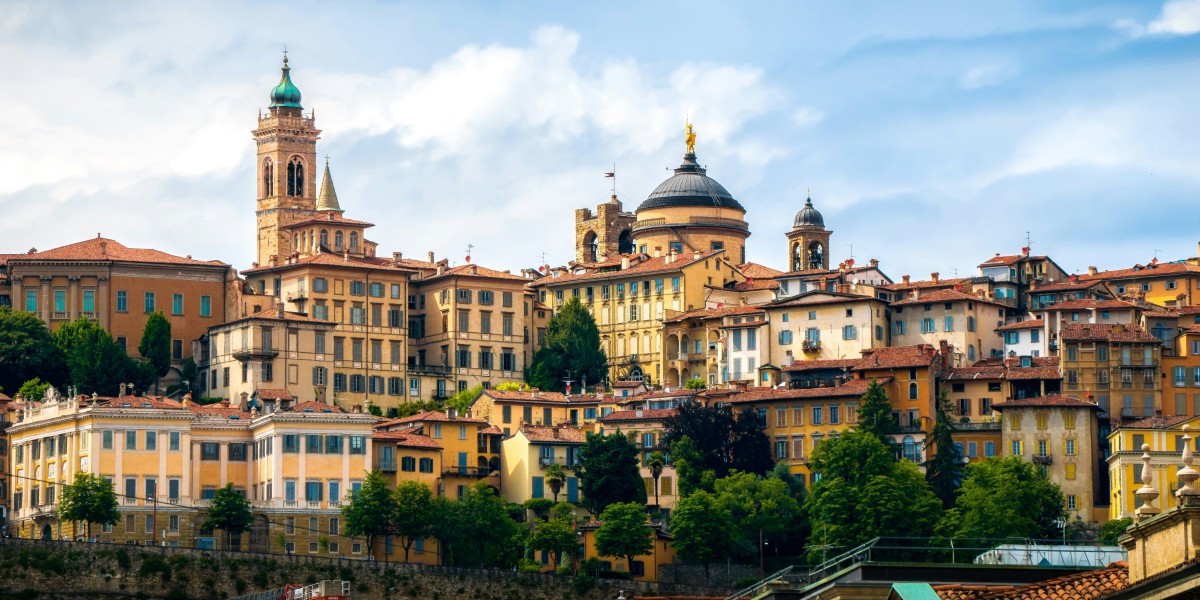
Quality of life in Bergamo for expats
Bergamo is one of the best places to live in Italy for quality of life if you want access to work, especially for younger people, solid services and a manageable city near Milan.
- Youth, work and inequality
- 1st in Italy for youth unemployment, with only about 3% of 15–24 year olds out of work, compared to a national average closer to 21%.
- Environment, services and everyday comfort
- Bergamo is 3rd in Italy for “Environment and services”. That means generally solid infrastructure, access to services and a decent level of environmental management.
- Children, young people and older residents
- The birth rate is in line with the Italian average, and the old-age index is improving, so the population is becoming slightly less top-heavy with older residents.
- The graduation rate among 25–39 year olds has dipped a touch but still sits above the national average.
- Women, work and representation
- Female employment has grown by about 4.7%, which is quite a positive shift.
- The share of female municipal administrators is also up by roughly 3.2%, and women-owned businesses have increased by about 0.6%.
- Culture, bars and going out
- Bergamo is 34th for “Culture and leisure”, with a decent cultural life: around 60.6 shows per 1,000 inhabitants.
Costs and trade-offs of living in Bergamo
Overall, Bergamo is cheaper than Milan, but it is still very much in northern Italy price territory, especially in the more desirable parts of the city.
- Housing is getting pricier, and there is a noticeable gap between lower and higher earners.
- On the flip side, Bergamo is 106th for net income inequality, meaning the gap between the lowest and highest earners is quite stark, so experiences can vary a lot depending on your salary and sector.
- Average rents for a new 100 m² flat in a semi-central area are up around 11.5% year-on-year, so renting is getting noticeably more expensive.
Explore long-term rentals and property for sale in Bergamo
How the Italian quality of life ranking works
Il Sole 24 Ore’s quality of life survey is built on 90 certified indicators grouped into six main areas. It uses data from bodies like ISTAT, the Bank of Italy and several research institutes. Most data refers to 2024, but over twenty indicators have already updated to 2025, plus a few composite indices such as the Climate Index and quality of life indices for children, young people, the elderly and women to give a more rounded picture of everyday life.
The north–south divide in Italian quality of life
One thing this ranking underlines yet again is how uneven Italy can feel once you look beyond the postcards. Almost all of the top spots are in the north and parts of the centre. The majority of the lowest-ranked provinces are in the Mezzogiorno, covering the south and islands. On paper, that reflects weaker job markets and more fragile local economies in the south, even though the lifestyle can be tempting with warmer weather and slower rhythms. This is especially the case in some of the five Italian regions with the fastest rising house prices.
For expats, it often leads to a tug-of-war between the little house near the sea and the reality of needing steady work, decent healthcare and reliable transport. This is something that comes up again and again when comparing northern vs southern Italy for choosing where move to. Exploring where to live in Italy as an expat is a good idea, so you know what you're signing up for before committing.
Stay in the know about living in Italy as a foreigner—get our weekly newsletter for the latest travel, legal, and lifestyle news.
For a taste of the high life, sign up for the monthly luxury market round-up.