Holy Week in Italy feels entirely different from a standard spring city break. The best Easter destinations in Italy see town squares lit by candlelight processions, church bells carried across medieval streets, and cities taking on a theatrical edge.
It’s not only a religious occasion. Many non-religious Italians embrace the long weekend, using it as a reason to gather outdoors and enjoy the first real stretch of spring.
Rome and Vatican City: the classic choice for Easter in Italy
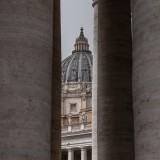
If you want scale and spectacle, Rome delivers. St Peter’s Square becomes the focal point of global Catholic celebrations.
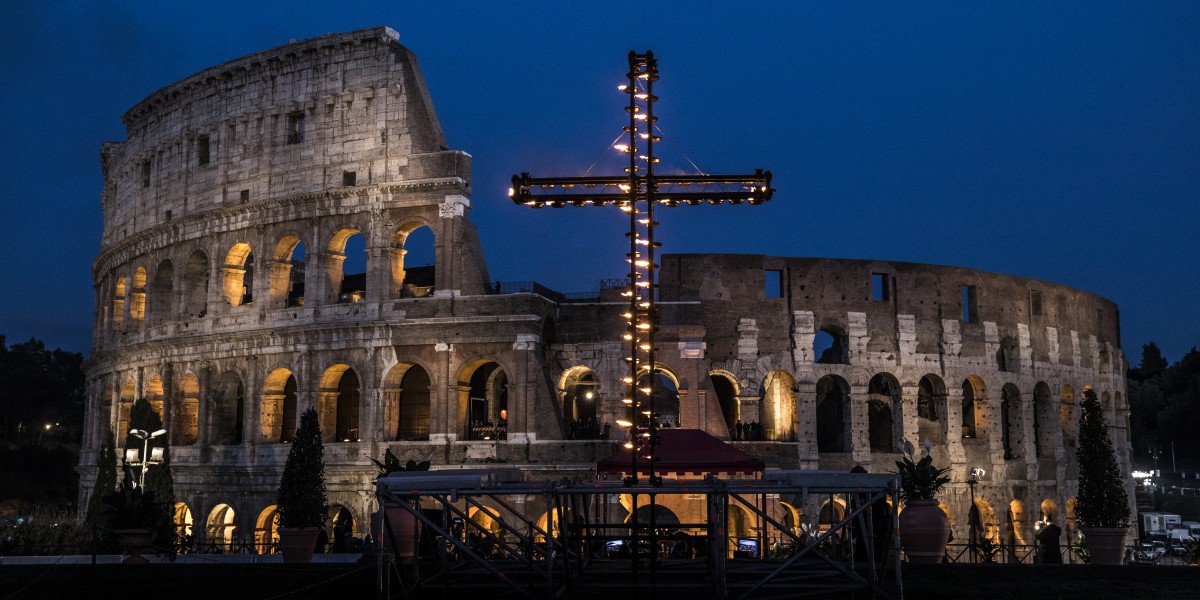
On Good Friday evening, the Pope leads the Via Crucis, or Stations of the Cross, beside the Colosseum. The ancient amphitheatre lit against the night sky, with thousands gathered in silence.
Who Rome suits best
Rome at Easter works well for first-time visitors who want the full cultural weight of the occasion. It’s busy, and accommodation prices reflect that, but nowhere else in Italy carries quite the same intensity.
Trapani: dramatic processions and southern spring light
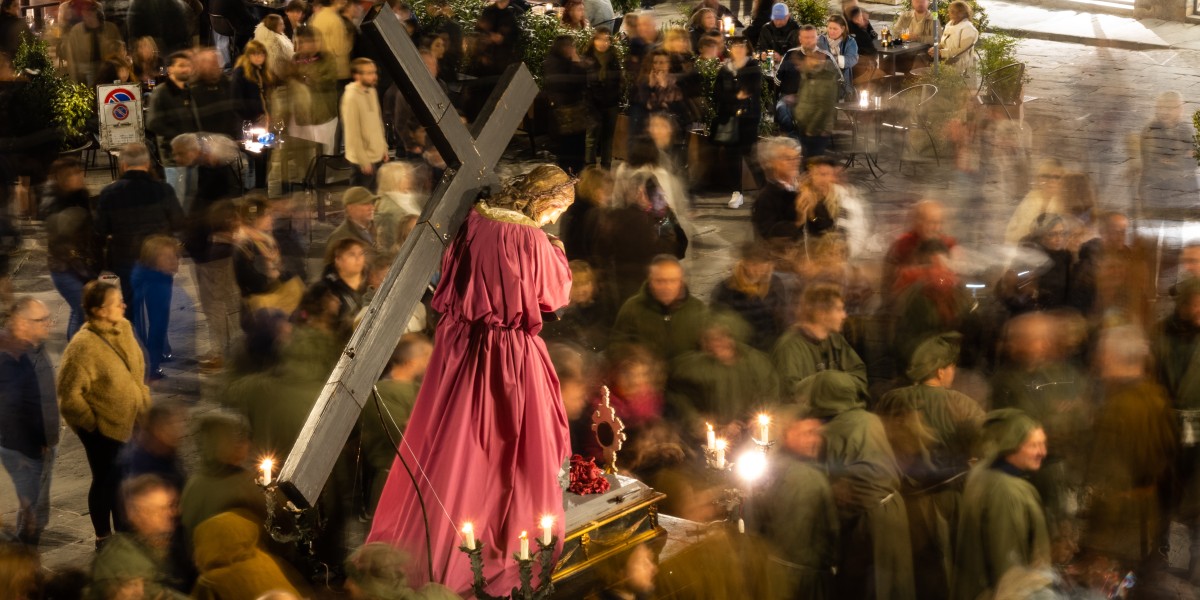
In Sicily, Trapani’s Processione dei Misteri, or Good Friday procession, lasts almost 24 hours. It features life-sized wooden sculptures carried slowly through the streets by local confraternities.
The sheer duration, the chanting, and the sea breeze rolling in from the port give it a slightly surreal, almost cinematic feel.
Smaller Sicilian towns
Inland towns such as Enna or Caltanissetta feel more intimate and less international. You get a stronger sense of community, and the events feel embedded in everyday life.
Assisi: a reflective Easter in Italy’s green heart
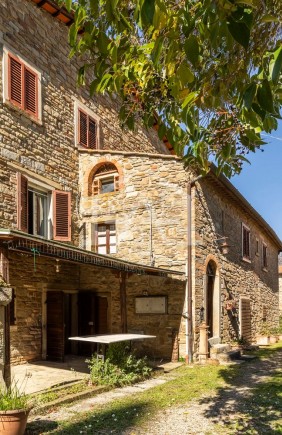
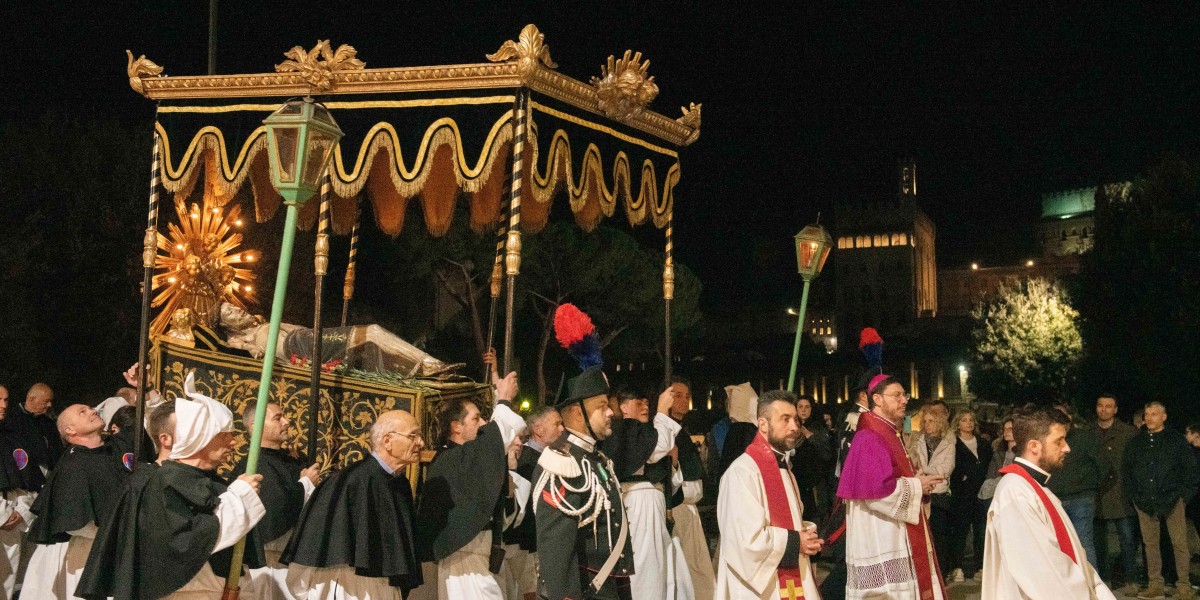
In the UNESCO-protected city of Assisi in Umbria, evening processions wind through narrow medieval lanes beneath the Basilica di San Francesco.
The combination of stone architecture, candlelight and choral music creates a hushed, contemplative atmosphere that feels worlds away from the big-city scale of Rome.
Perugia and hill towns
Perugia strikes a balance between local life and visitor-friendly energy. Smaller hill towns dotted across Umbria offer quieter ceremonies and a slower rhythm, with spring countryside in full bloom around them.
Taranto: southern traditions by the sea
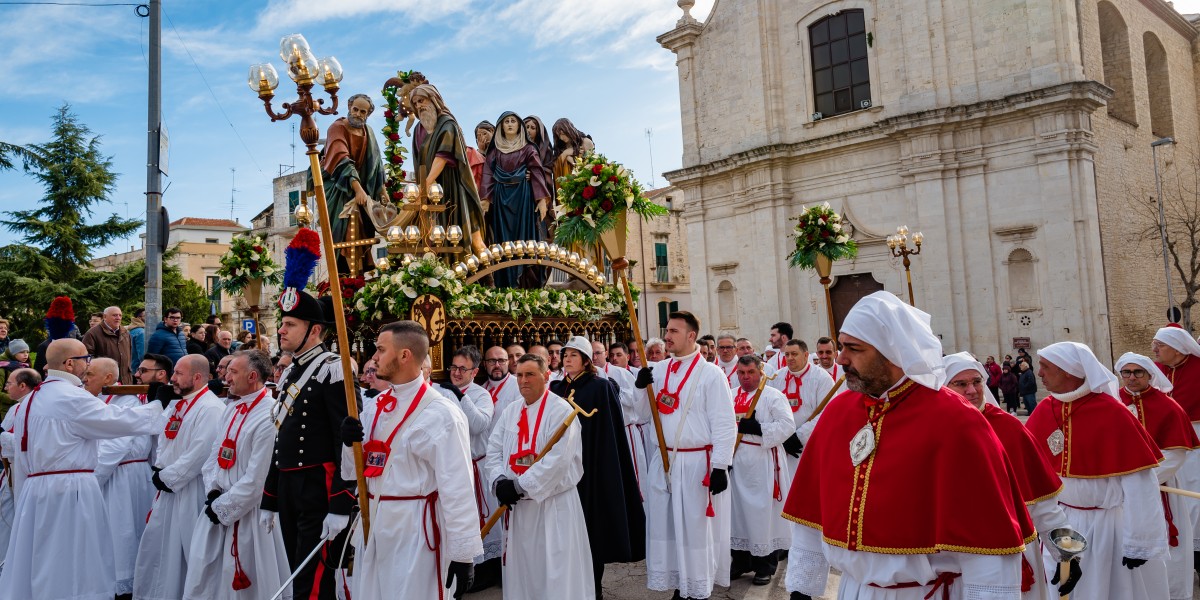
In Puglia, Taranto’s Easter rites feel intense and unmistakably local, shaped by centuries-old confraternities that guide the ceremonies through the historic centre.
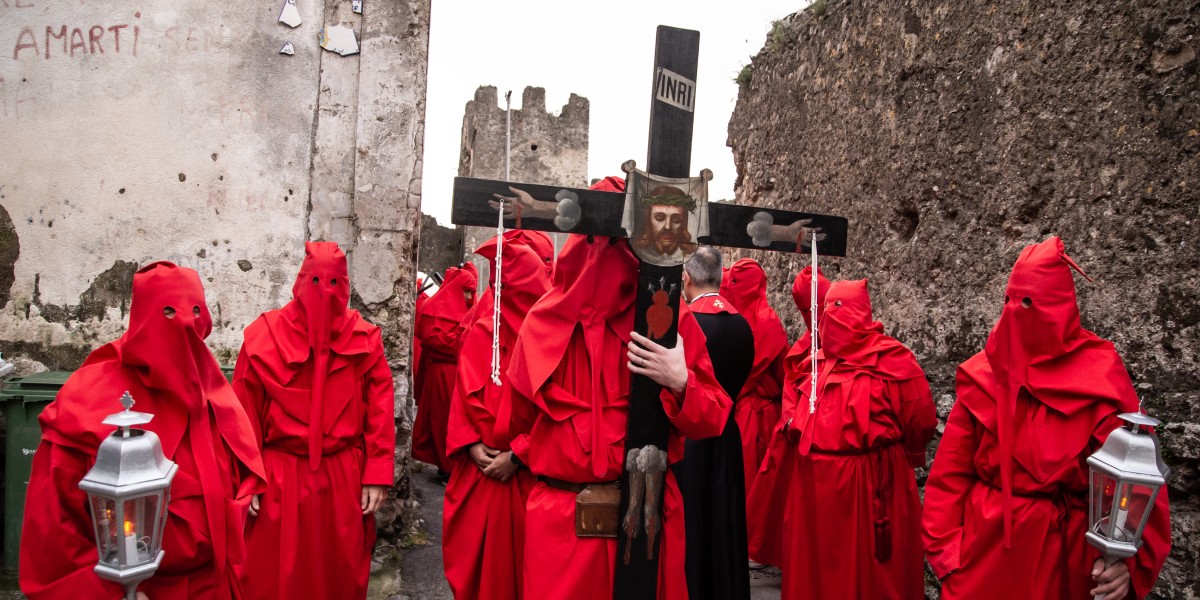
On Good Friday, hooded penitents advance in slow, rhythmic steps that can continue for hours, the near silence broken only by low hymns. With the old town poised between two stretches of sea, the whole spectacle takes on an added dramatic edge.
Pairing Easter with the coast
Basing yourself in Lecce or somewhere in Salento means you can combine ceremonies with bright Adriatic light and long coastal walks. It feels less formal than Rome, but no less meaningful.
Sulmona: powerful and under the radar
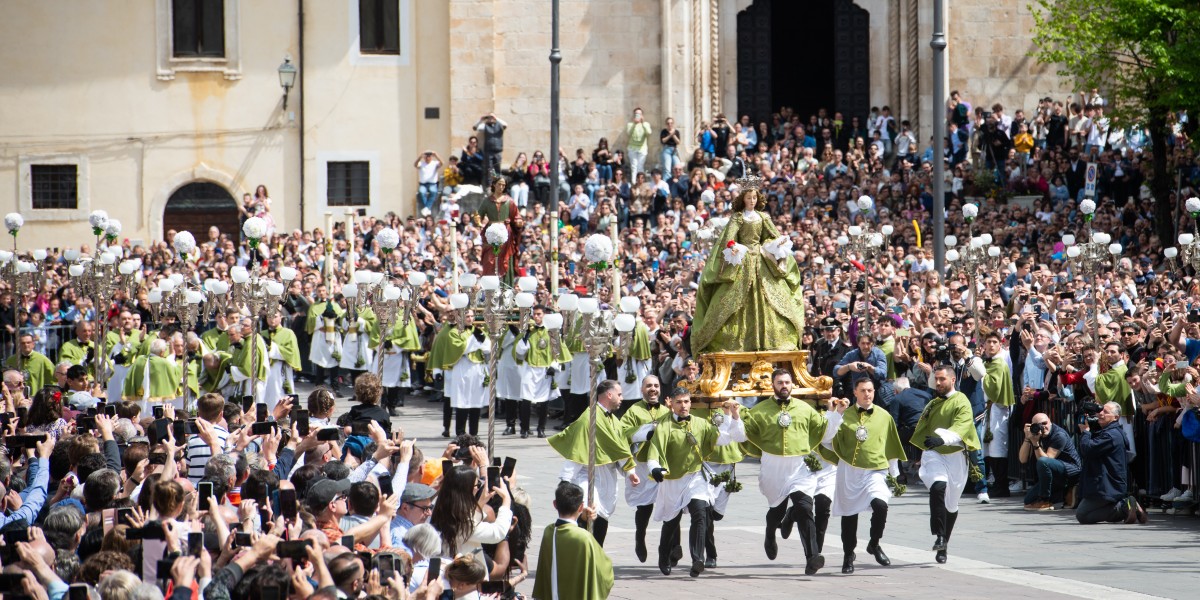
On Easter Sunday in Sulmona, Abruzzo, a statue of La Madonna che scappa, the Virgin Mary, is carried across Piazza Garibaldi and appears to “run” towards the risen Christ.
As the black cloak drops away to reveal green beneath, doves are released into the sky. The square erupts in applause, with the mountains forming a dramatic backdrop.
Why Abruzzo stands out
Abruzzo sees far fewer international visitors at Easter than the big headline destinations. That makes the experience feel grounded and community-led, which is often what people imagine Italy to be before they encounter the crowds elsewhere.
You'll also get the chance to visit Italy’s Capital of Culture for 2026, which is located in the region.
A broader look at Easter in Italy
Easter in Italy goes well beyond a single procession or city, shaping everything from travel patterns to family rituals across the country. The long weekend brings together solemn Holy Week ceremonies, lively Easter Sunday gatherings and the relaxed outings of Pasquetta, all woven into everyday Italian life.
Food inevitably plays its part too, with bakery windows filled with colombe and regional Easter sweets that reflect centuries of local identity. Even if you’re not particularly religious, it’s hard not to feel part of the occasion when you’re standing in a village square with a slice of something sweet in hand and church bells ringing overhead.
Stay inspired for your travels in Italy —get our weekly newsletter for the latest travel, legal, and lifestyle news.
For a taste of the high life, sign up for the monthly luxury market round-up.