Easter in Italy is one of those moments when family and food take centre stage. Tables fill up with Italian Easter cake and desserts that only appear in spring, each tied in some way to Holy Week traditions and local baking rituals.
10 traditional Italian Easter desserts
Colomba di Pasqua
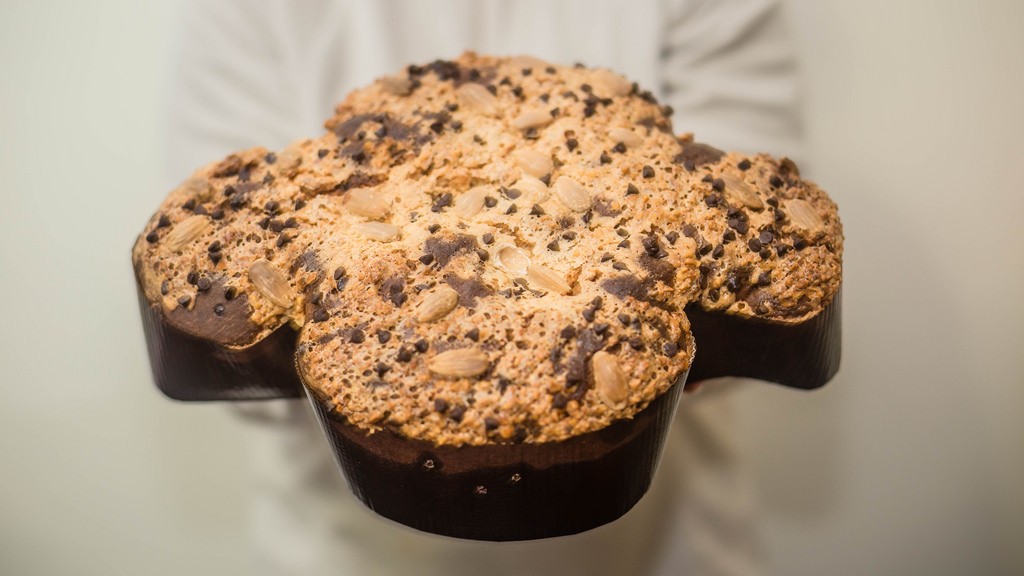
Colomba di Pasqua is the Easter twin of panettone. It was developed in the early 20th century in Lombardy and is now eaten all over Italy. It’s a soft, yeasted cake made with flour, eggs, butter and sugar, topped with almonds and pearl sugar. The Easter treat is baked in the shape of a dove, a symbol of peace in Christian tradition.
You’ll see towers of boxed colombe in every supermarket from March onwards, and most families slice it on Easter Sunday afternoon with coffee or sweet wine.
Pinza
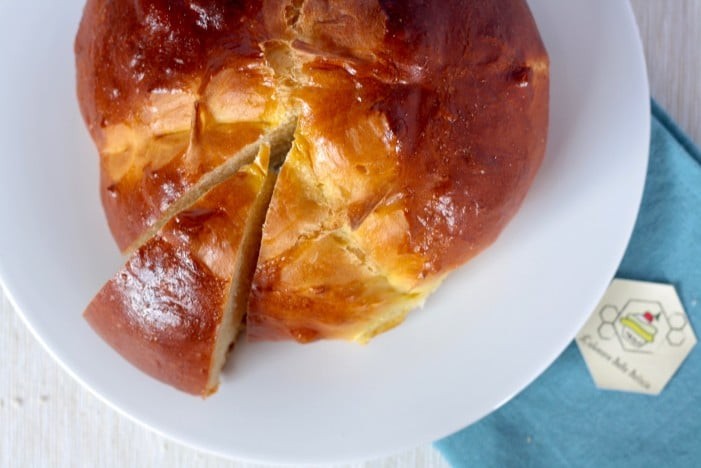
In Trieste and parts of Friuli Venezia Giulia, pinza is the Easter sweet bread of choice. It’s gently flavoured with lemon and orange zest and marked on top with three deep cuts, often said to symbolise the Holy Trinity.
Traditionally, it’s eaten at the end of Lent, sometimes alongside savoury foods like ham, marking the return to richer ingredients after weeks of restraint.
Salame del papa
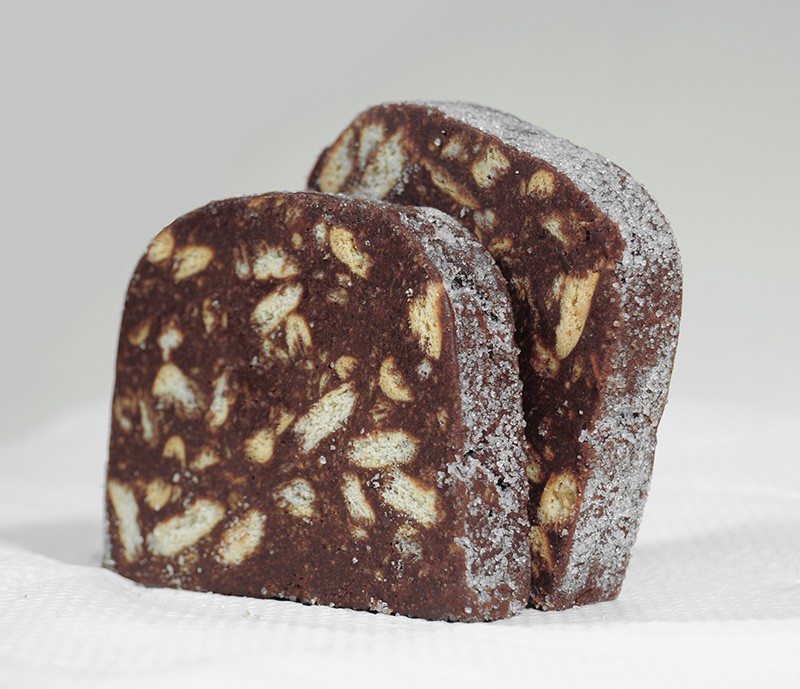
Despite the name of this classic Italian chocolate dessert, the 'salami' contains no meat at all. It’s a no-bake mixture of cocoa, butter, crushed biscuits and, in Piedmont, local hazelnuts, shaped into a sausage and sliced.
While not exclusive to Easter, it often appears on Easter tables because it’s easy to prepare ahead for large family gatherings.
Pastatelle
In Apulia, pastatelle are small sweet parcels, rather like mini calzoni, filled with jam or sometimes sweetened chickpea paste. They’re brushed with egg yolk before baking and dusted with icing sugar.
You’ll find them in homes and local bakeries in the run-up to Easter, especially in smaller towns. Recipes vary from village to village, and fillings are often a closely guarded family matter.
Pasimata
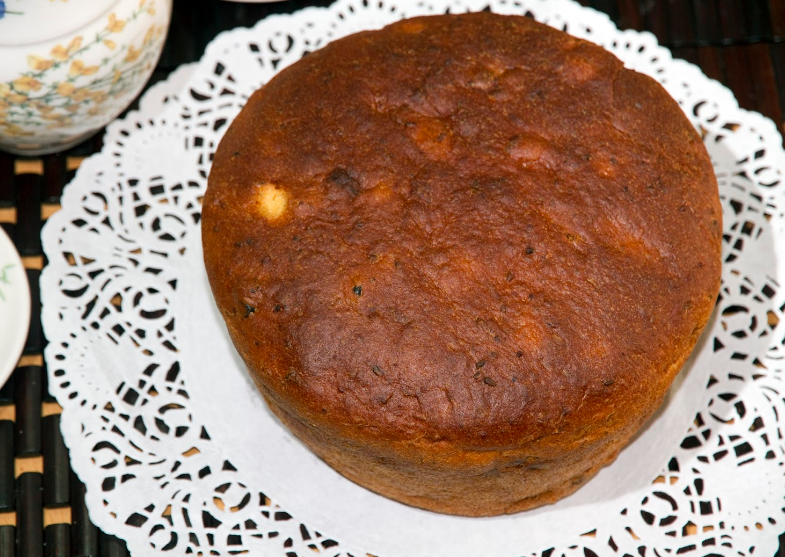
Pasimata comes from Garfagnana in northern Tuscany and takes patience. Traditionally, the dough is left to rise slowly over a day or even two. Made with flour, eggs, sugar and yeast, it’s scented with anise and orange zest.
It’s baked for Easter and sliced for breakfast or served after the big Sunday lunch.
Tortano
In parts of southern Lazio, particularly around Gaeta, a sweet version of tortano appears at Easter. This ring-shaped cake is light and airy, topped with a simple icing and colourful sprinkles.
It’s associated with celebration rather than everyday baking, and its circular shape is often linked to ideas of continuity and renewal. Don’t confuse it with the savoury Neapolitan tortano, which is a completely different, cheese-filled affair.
Pastiera Napoletana
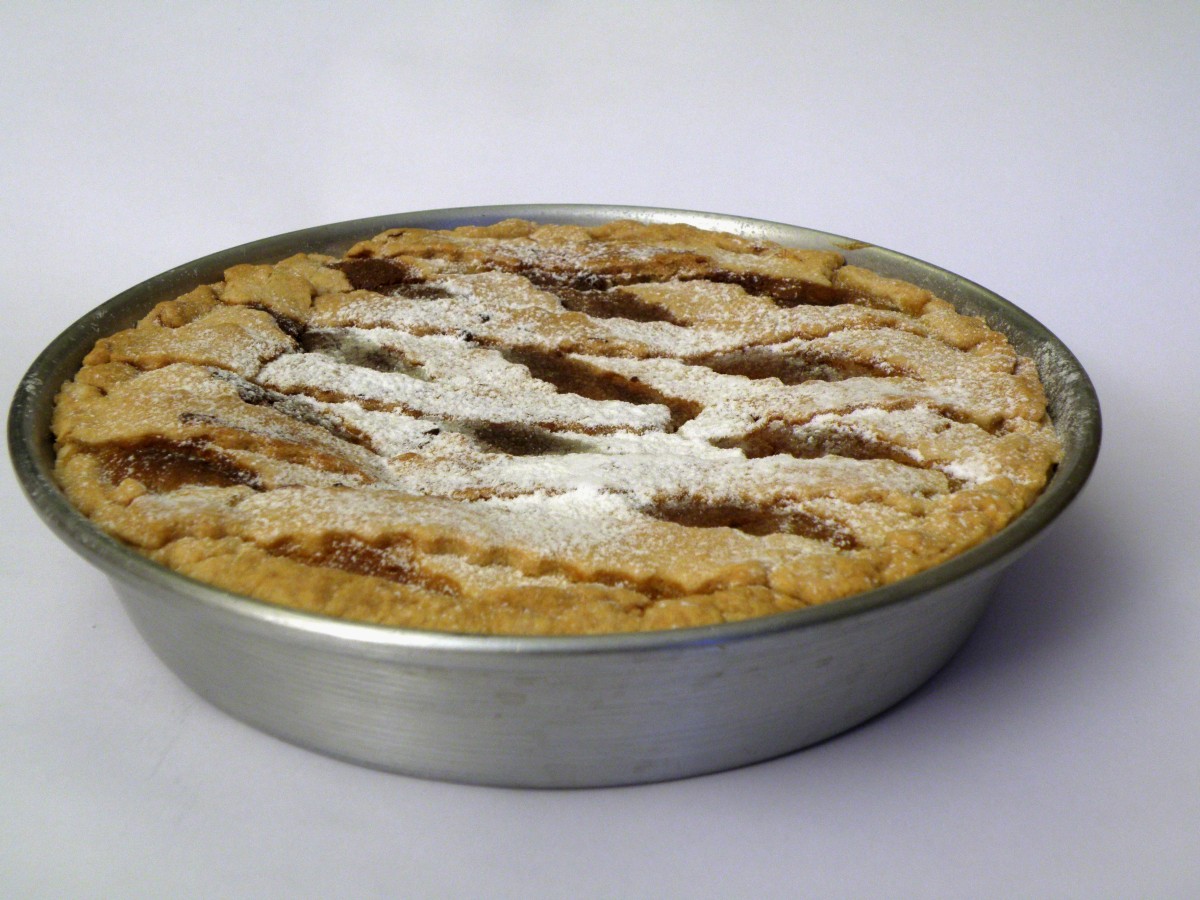
One of Italy's top desserts, pastiera is the Neapolitan Easter dessert par excellence and a symbol of rebirth. It’s a shortcrust tart filled with ricotta, cooked wheat berries and eggs, scented with orange blossom water and citrus peel.
Traditionally prepared during Holy Week, it’s left to rest for a day or two before being eaten on Easter Sunday, allowing the flavours to settle.
'Ncinetti
’Ncinetti (or uncinetti) are traditional Calabrian Easter biscuits prepared around Palm Sunday. Made with eggs, sugar and flour, they’re coated in a thick icing flavoured with anise. Their name is thought to refer to the hooked or curved shapes they’re often formed into.
In some communities, they were once hung on decorative branches or brought to church during Holy Week.
Cassata
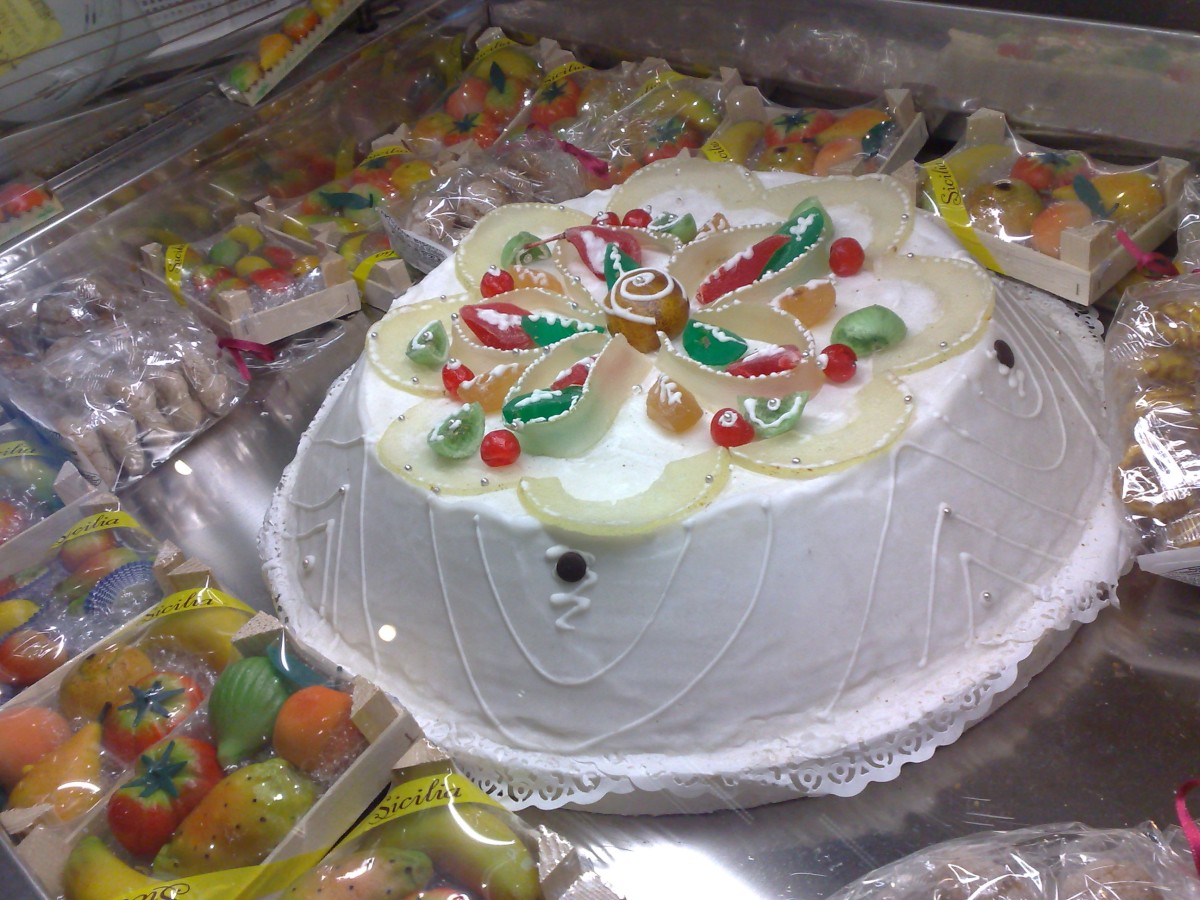
Cassata siciliana is one of Italy’s most recognisable desserts abroad, but in Sicily, it’s strongly linked to Easter. It’s made with sponge cake layered with sweetened ricotta, covered in marzipan and decorated with candied fruit.
Its baroque appearance reflects Sicily’s layered history and love of theatrical sweets.
Cuddura
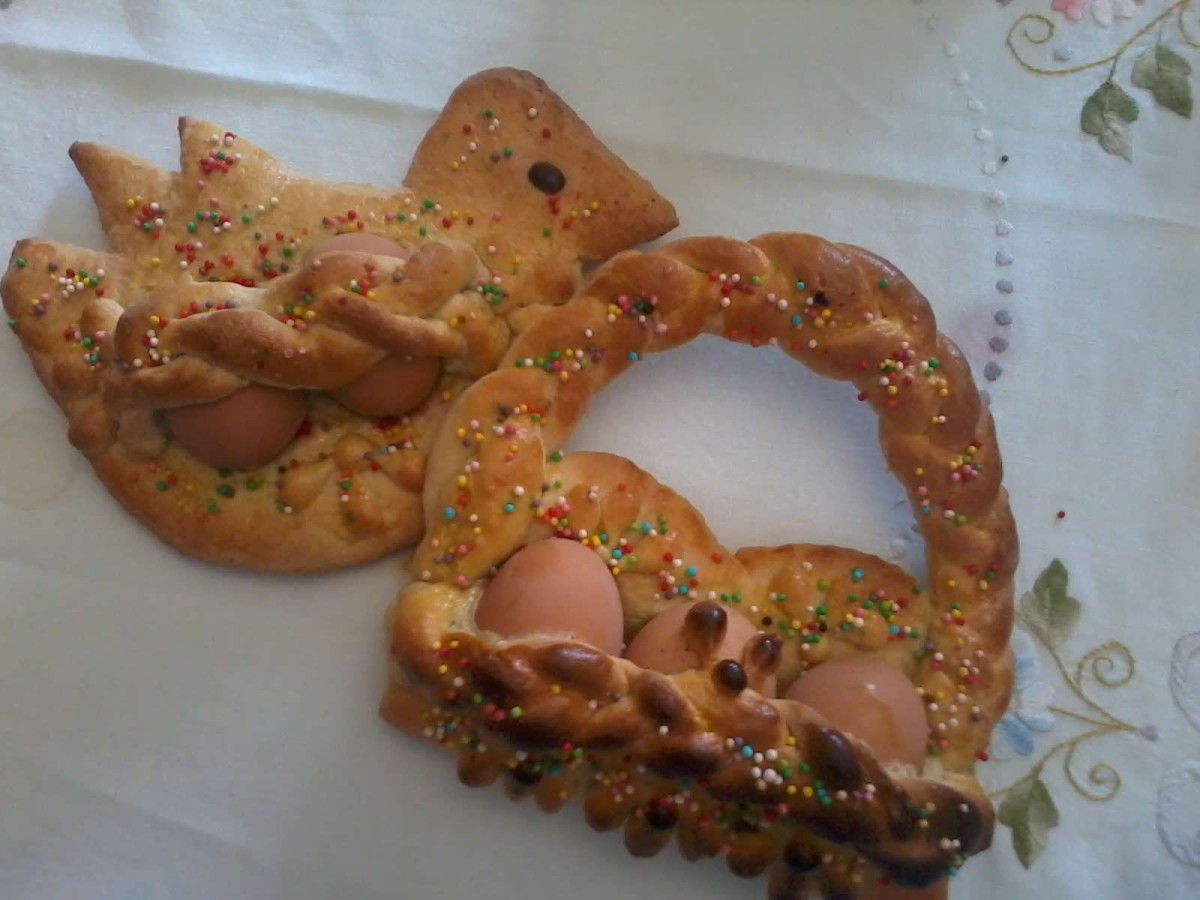
In Sardinia, cuddura is a simple sweet bread or biscuit dough decorated with whole hard-boiled eggs and bright sprinkles. It’s shaped into baskets, hearts or doves, and given as gifts to children.
The egg, baked directly into the dough, is the clearest symbol of new life and Easter renewal.
What is a traditional Italian dish for Easter?
On the savoury side, one classic is torta pasqualina from Liguria, a pie filled with ricotta, spinach or chard, and whole eggs baked inside. This sits firmly alongside other types of Italian food to eat at Easter.
Another staple is agnello al forno, roast lamb with garlic and rosemary, eaten across much of Italy on Easter Sunday. Lamb’s religious symbolism is clear, but for many families today it’s simply what has always been cooked for the occasion, anchoring the meal in long-standing Easter traditions in Italy.
Easter in Italy in 2026
In 2026, Easter Sunday falls on 5th April, with Pasquetta on 6th April, when many Italians head out for picnics if the weather allows. Religious processions still take place in the top Holy Week destinations in Italy, but for plenty of people, the heart of the celebration is the family meal.
Stay in the know about living in Italy as a foreigner—get our weekly newsletter for the latest travel, legal, and lifestyle news.
For a taste of the high life, sign up for the monthly luxury market round-up.