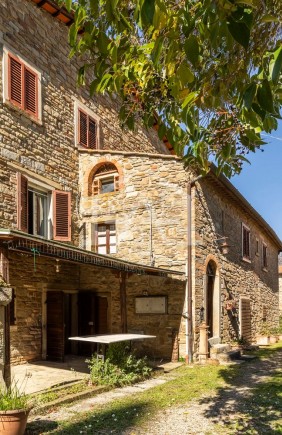
Italy is widely considered one of the safest countries in Europe. Violent crime rates are low, communities are strong, and everyday life is generally stable and predictable.
But safety in Italy isn’t identical everywhere. It varies by region, city size, neighbourhood and lifestyle. If you're planning on moving to Italy — whether as a family, retiree or remote worker — knowing where people feel safest can help you choose the right location.
This guide explores the safest places to live in Italy based on crime levels, community atmosphere, healthcare access and overall quality of life.
- What “safe” really means in Italy
- Is Northern Italy the safest region?
- Trento and Bolzano: among the safest cities in Italy
- Verona: safe living with cultural depth
- Tuscany: safe, scenic and family-friendly
- Umbria: one of Italy’s safest regions
- Puglia and Lecce: safe southern living
- Sardinia: exceptionally low crime and quiet living
- Are big cities like Rome and Milan safe?
- Where do most expats choose to live in Italy?
- So, where is the safest place to live in Italy?
What “safe” really means in Italy
When discussing safety in Italy, it’s important to understand what that usually involves.
Serious violent crime is rare across most of the country. The more common concerns include:
- Pickpocketing in tourist areas
- Opportunistic theft
- Scams targeting visitors
For residents, safety is more about daily life. People tend to feel safest in places that offer:
- Walkable neighbourhoods
- Clean and well-maintained streets
- Visible community presence
- Reliable public healthcare
- A calm, predictable environment
Smaller cities and towns often rank higher for perceived safety than large metropolitan areas.
Is Northern Italy the safest region?
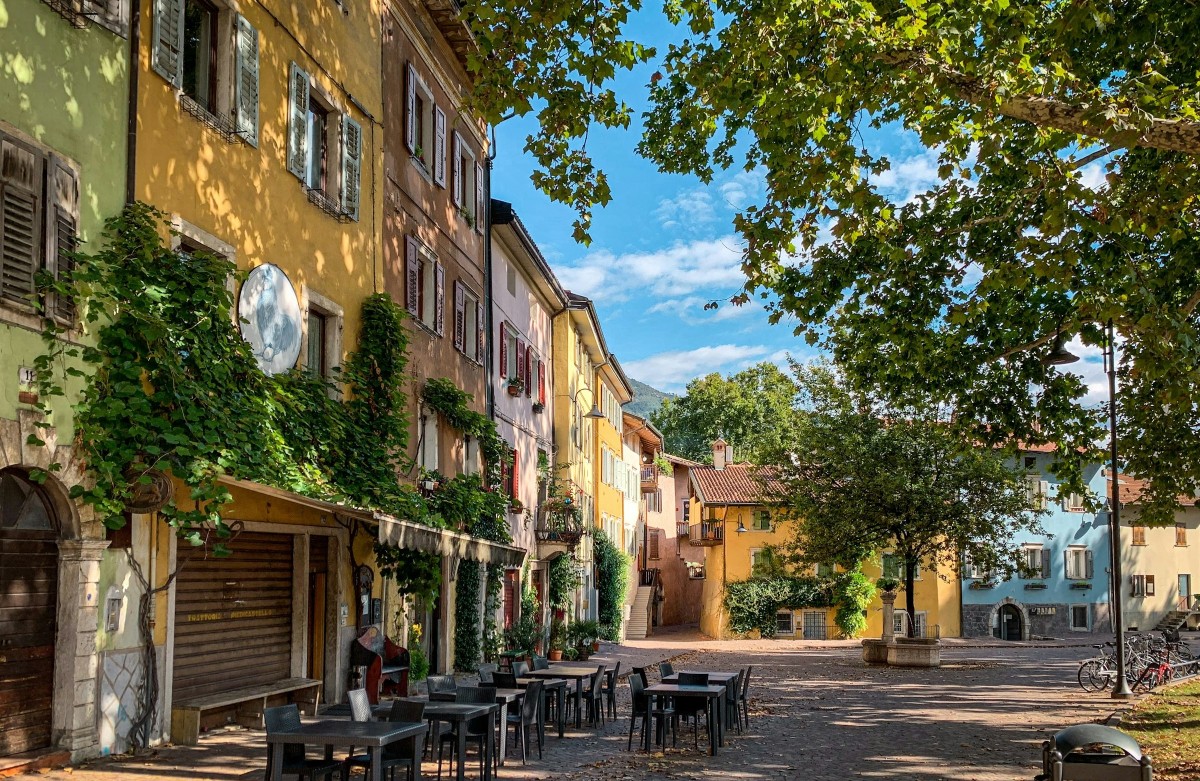
Northern Italy consistently ranks highest for safety, infrastructure and quality of life. Cities in the north tend to be economically stable, well organised and efficiently managed.
Crime rates are generally lower than in major metropolitan centres, and public services are often stronger.
For many families and expats, Northern Italy offers the strongest overall balance of safety and lifestyle.
Trento and Bolzano: among the safest cities in Italy
Trento and Bolzano, located in the Trentino–Alto Adige region, frequently appear at the top of quality-of-life rankings.
These cities are known for:
- Very low crime rates
- Excellent healthcare
- Clean and orderly streets
- Strong local services
- High levels of community trust
Bolzano’s Central European influence contributes to a strong sense of structure and efficiency. Both cities are popular with professionals, families and retirees seeking stability and outdoor living.
Verona: safe living with cultural depth
Verona offers a unique mix of history, beauty and everyday livability.
While it attracts tourists, residential neighbourhoods outside the historic centre are calm and well connected. The city benefits from strong infrastructure and good healthcare facilities.
Many consider Verona one of the best places to live in Italy if you want safety without sacrificing culture and city life.
Tuscany: safe, scenic and family-friendly
Tuscany is widely regarded as one of the safest regions in Italy, particularly in smaller towns and rural areas.
Florence itself is generally safe, though petty theft can occur in busy tourist zones. Residents often choose neighbourhoods such as Campo di Marte or nearby towns for a quieter, more local experience.
Outside Florence, Tuscan towns offer:
- Strong community ties
- Low violent crime
- Good healthcare access
- A relaxed pace of life
This makes Tuscany especially attractive to foreign families and retirees.
Umbria: one of Italy’s safest regions
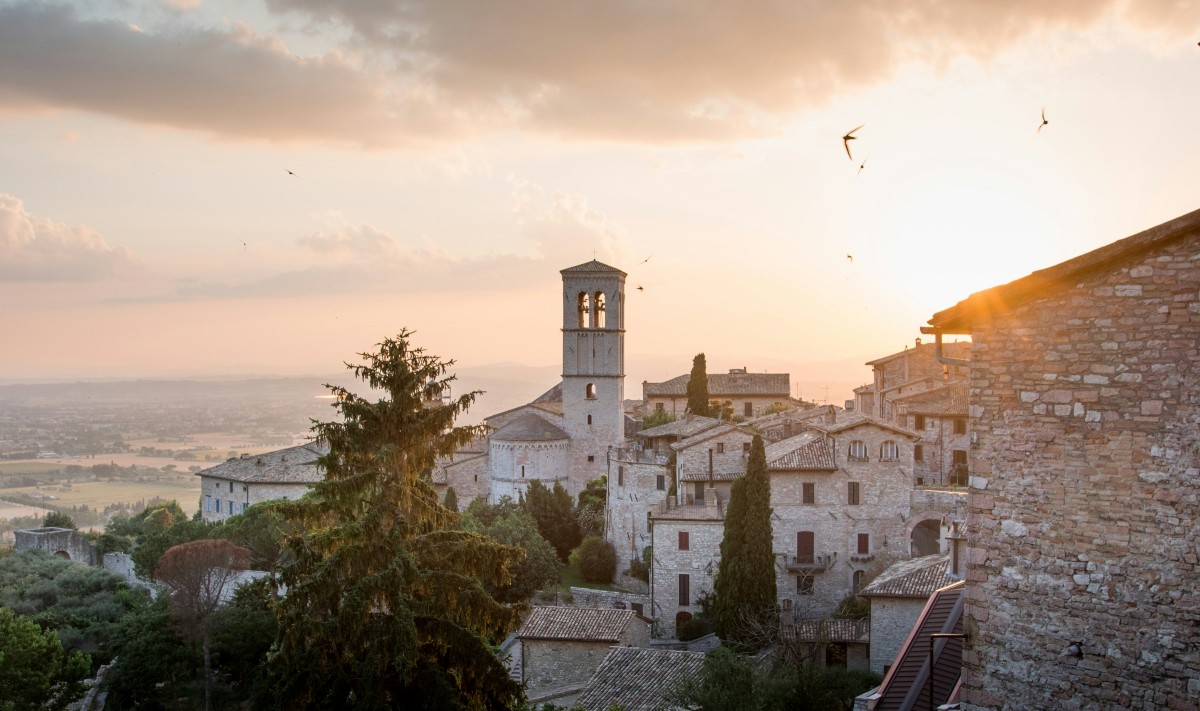
Umbria is frequently described as one of the safest regions in the country.
Perugia, the regional capital, combines a historic setting with a manageable population size. While it has a student presence, it maintains a calm and community-focused atmosphere.
Umbria appeals to those looking for:
- Peaceful surroundings
- Low crime levels
- Strong local identity
- Slower pace of life
For many relocating to Italy, Umbria offers both safety and authenticity.
Puglia and Lecce: safe southern living
Southern Italy is sometimes unfairly perceived as less safe. In reality, many southern towns have very low levels of violent crime.
Lecce and the Salento area in Puglia are increasingly popular with both Italians and international residents.
Reasons people feel safe here include:
- Strong neighbourhood culture
- Active outdoor lifestyle
- Lower population density
- High social visibility
The daily presence of families, neighbours and community life contributes significantly to the sense of security.
Sardinia: exceptionally low crime and quiet living
Sardinia is often highlighted as one of the safest places to live in Italy.
Many towns experience very low crime rates, and violent crime is rare. The island’s geographic separation and strong local culture contribute to its stability.
Residents benefit from:
- Tight-knit communities
- Calm atmosphere
- Natural surroundings
- Slower pace of life
For those seeking maximum peace and quiet, Sardinia is a strong option.
Are big cities like Rome and Milan safe?

Italy's main cities like Rome, Milan and Naples are generally safe for residents, but they require more awareness than smaller towns.
Petty crime is more common in:
- Tourist hotspots
- Major train stations
- Busy public transport routes
Many expats choose to live in suburban areas or satellite towns rather than in historic city centres.
Large cities offer opportunity and infrastructure, but smaller cities often feel safer on a day-to-day basis.
Where do most expats choose to live in Italy?
Foreign residents typically settle in areas that combine safety, services and quality of life.
The most popular regions include:
- Tuscany
- Lombardy
- Lazio
- Emilia-Romagna
- Puglia
Cities like Florence, Milan and Bologna attract professionals and students. Rural Tuscany, Umbria and parts of southern Italy appeal to retirees and remote workers.
These areas generally provide reliable healthcare, stable infrastructure and established international communities.
So, where is the safest place to live in Italy?
There is no single safest place in Italy, but certain patterns are clear.
The safest areas typically offer:
- Strong community culture
- Mid-sized populations
- Good healthcare access
- Clean, well-maintained environments
- Active public spaces
Northern Italy consistently ranks highly for safety and infrastructure. Umbria and Tuscany stand out for peaceful living. Sardinia offers exceptionally low crime and quiet island life.
Overall, Italy remains one of the safest countries in Europe. For most people, choosing the safest place to live in Italy is less about avoiding danger and more about finding the lifestyle and community that makes you feel at home.