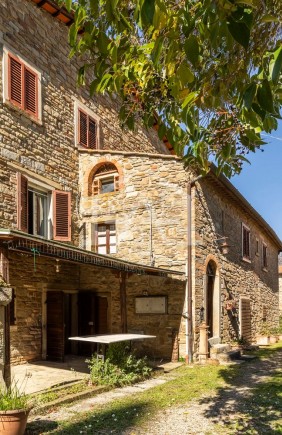
Fast Wi‑Fi. Lower rent than Milan. Morning espresso in medieval squares.
In 2026, remote workers aren’t just moving to Italy — they’re skipping Rome and Milan entirely.
Instead, they’re choosing smaller towns with fibre internet, affordable rent, international airports, and the kind of lifestyle most people only experience on holiday.
Here are the Italian towns digital nomads are quietly relocating to this year — before everyone else catches on.
- Bologna - the smart alternative to Milan
- Lecce - Southern Italy’s remote work secret
- Trento - Alpine calm with European efficiency
- Palermo - big‑city energy without big‑city prices
- Turin - Italy’s most underrated work base
- Cagliari - Mediterranean living, year‑round
- Bari - coastal, connected, and growing fast
- Why remote workers are choosing Italy in 2026
- What most guides don’t tell you
- The bigger shift happening in 2026
- Thinking about moving?
Bologna - the smart alternative to Milan
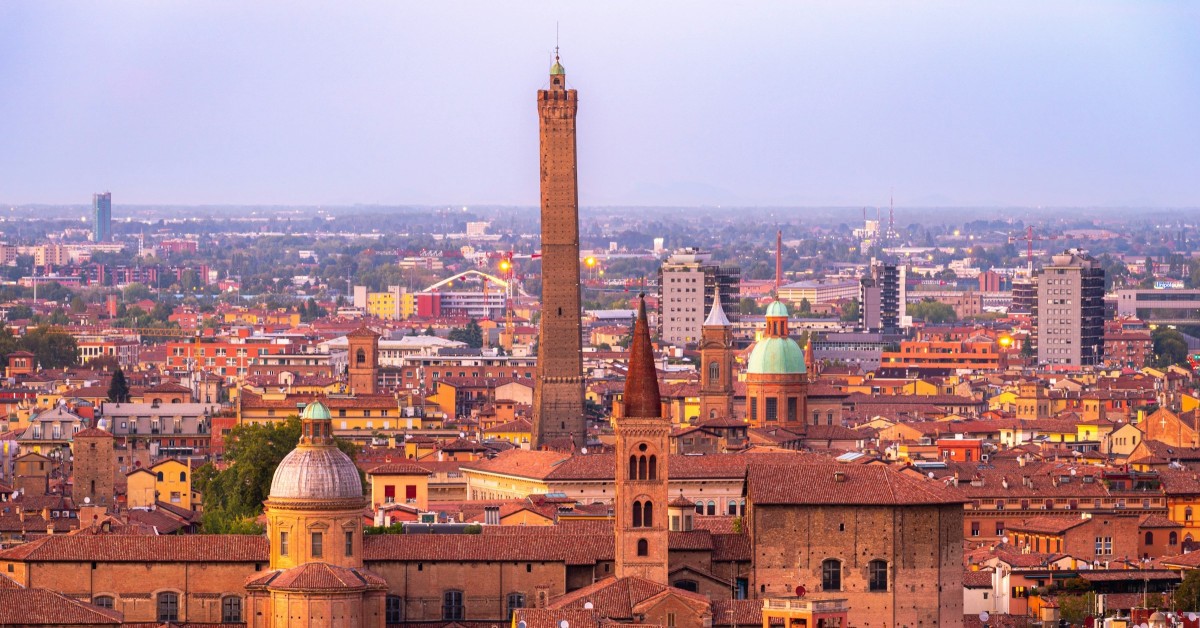
Bologna isn’t flashy. That’s exactly why remote workers love it.
With 1 Gbps fibre widely available, a thriving international student scene, and walkable medieval streets lined with cafés, it offers big‑city energy without Milan’s rental prices.
Why people are moving here in 2026:
- Reliable high‑speed internet
- Major EU flight connections
- Strong expat + creative community
- Lower rent than Milan
Average 1‑bed rent: €900–€1,200
It feels authentic — not performative. And that matters when you’re living, not vacationing.
Lecce - Southern Italy’s remote work secret
Sunshine. Baroque architecture. Half the rent of northern cities.
Lecce has become one of Italy’s fastest‑growing digital nomad bases in 2026.
Thanks to recent fibre expansion, remote workers can now enjoy:
- Lower cost of living
- 300+ days of sun
- Walkable historic streets
- Slower, calmer lifestyle
Average 1‑bed rent: €500–€800
For remote professionals earning foreign salaries, Lecce feels almost unfairly affordable.
Trento - Alpine calm with European efficiency
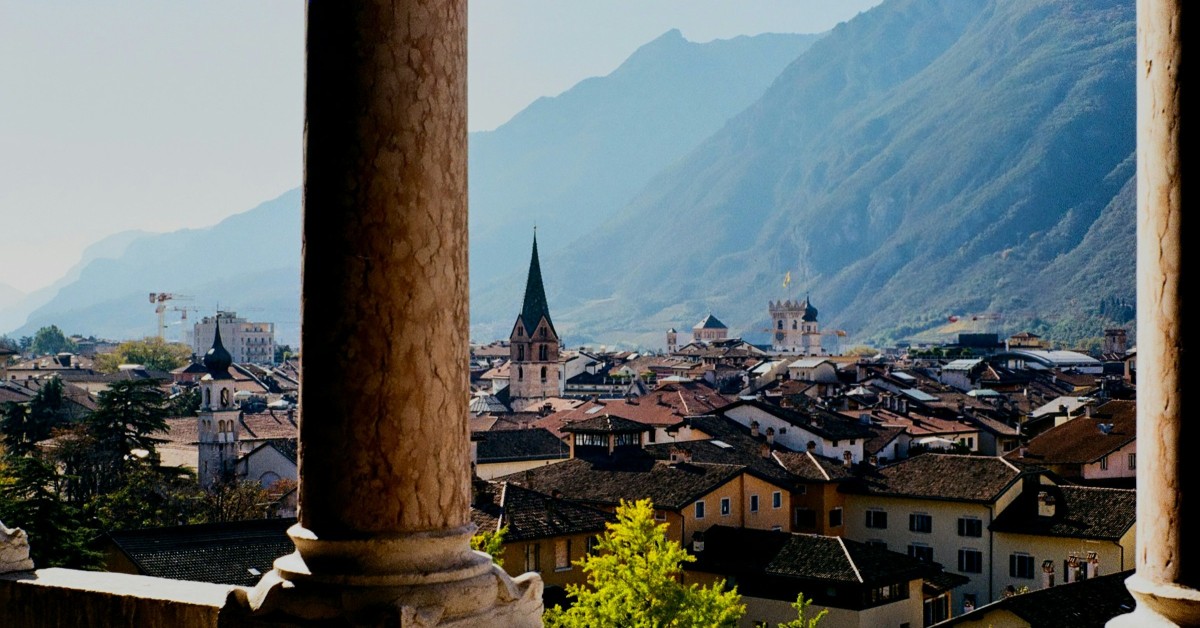
If your productivity improves near mountains, Trento might be your place.
Clean, organised, and consistently ranked among Italy’s safest cities, Trento blends Italian culture with Austrian efficiency.
Why remote workers are choosing it:
- Extremely safe
- High quality public services
- Direct train links to Austria & Germany
- Hiking and skiing minutes away
Average rent: €800–€1,100
In 2026, more tech professionals are trading city chaos for alpine clarity.
Palermo - big‑city energy without big‑city prices
Palermo used to be overlooked. Not anymore.
Major broadband upgrades have made Sicily’s capital far more viable for remote professionals.
Now it offers:
- International airport
- Vibrant culture year‑round
- Expanding co‑working spaces
- Mild winters (15–18°C average)
Average rent: €600–€900
You get the buzz of a major city — without northern Italy’s costs.
Turin - Italy’s most underrated work base
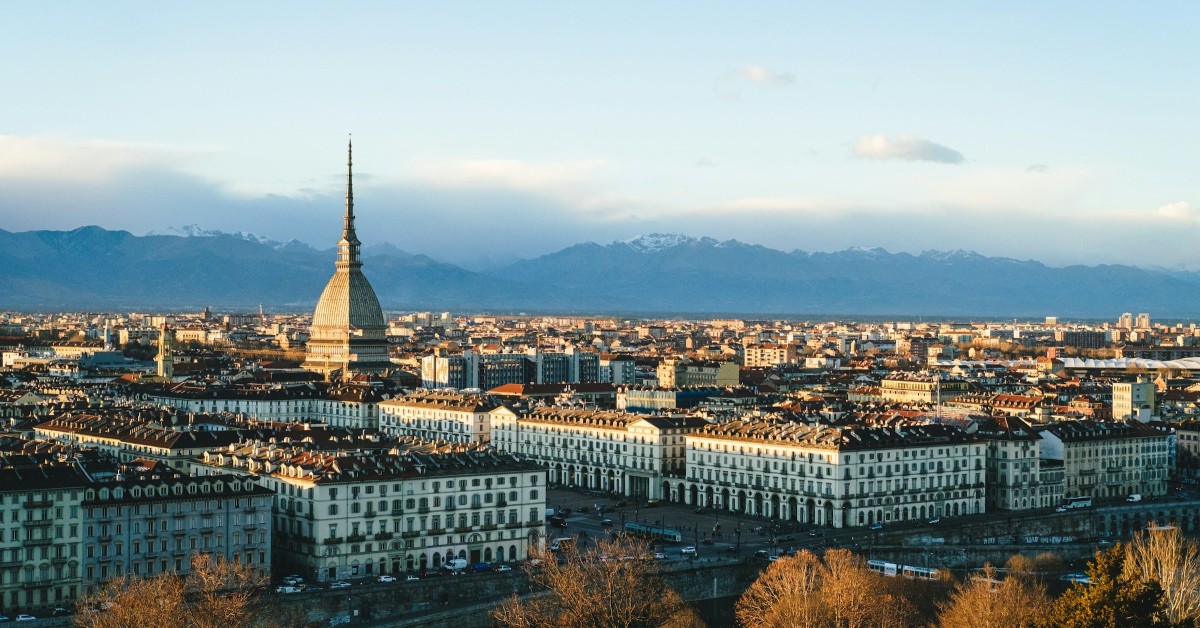
Turin feels refined, intellectual, and quietly innovative.
With strong fibre coverage and a growing startup ecosystem, it’s becoming a serious alternative to Milan.
Why it’s trending in 2026:
- Elegant architecture + café work culture
- High‑speed rail to Milan (under 1 hour)
- Modern co‑working spaces
- More affordable rent
Average rent: €750–€1,000
It’s northern Italy — without northern Italy prices.
Cagliari - Mediterranean living, year‑round
Island life used to mean unreliable infrastructure.
Not anymore.
Cagliari now offers fast fibre internet, daily flights to Rome and Milan, and beaches minutes from the city centre.
Average rent: €650–€950
For remote workers prioritising lifestyle and mental well‑being, Cagliari is becoming a 2026 standout.
Bari - coastal, connected, and growing fast
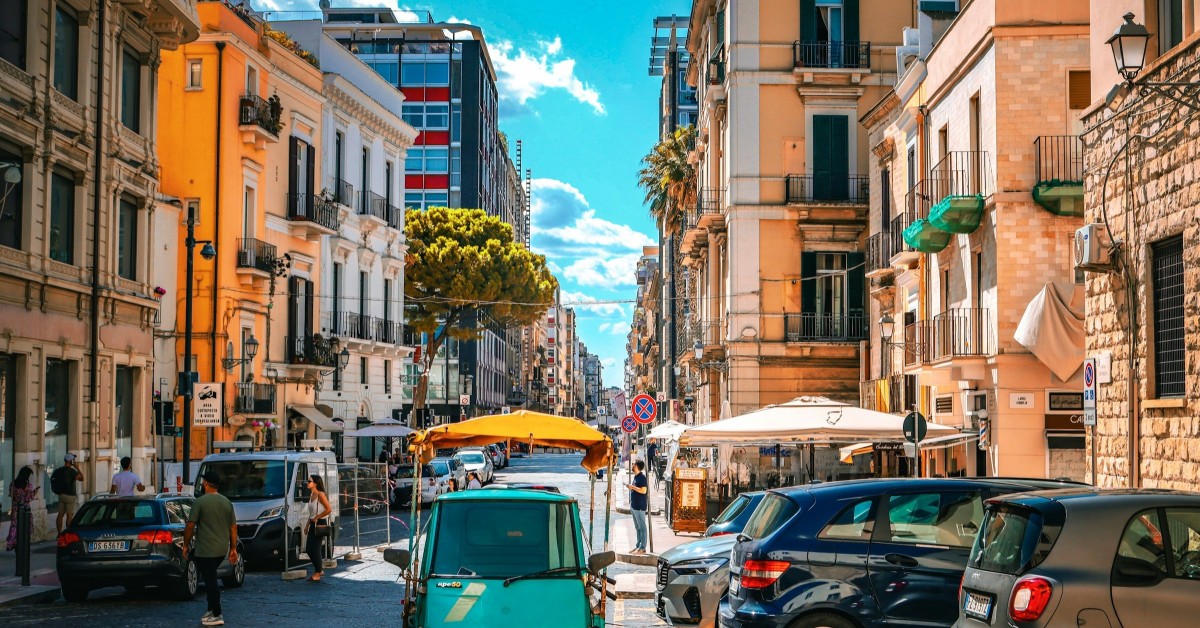
Bari blends seaside living with serious transport links.
With a renovated old town, international airport, and direct trains to Rome, it’s quietly building momentum among freelancers.
Average rent: €600–€900
It offers coastal charm — without Amalfi‑level prices or tourist crowds.
Why remote workers are choosing Italy in 2026
Several shifts are accelerating the move:
Italy’s Digital Nomad Visa is more established
The framework is clearer and more predictable than in previous years.
Fibre internet expansion
Government broadband initiatives have dramatically improved connectivity in secondary cities.
Better value than France or Germany
Comparable lifestyle — lower rent.
Walkability + healthcare
Italy consistently ranks highly for quality of life.
What most guides don’t tell you
Italy isn’t perfect.
- Bureaucracy can still move slowly
- English isn’t universal outside major hubs
- Southern summers can be extremely hot
- Smaller towns may feel quiet in winter
But for many remote professionals in 2026, the trade‑off is worth it.
The bigger shift happening in 2026
Remote workers are no longer chasing “digital nomad hotspots.”
They’re looking for stability, affordability, and real community — not just Instagram backdrops.
And increasingly, that’s exactly what smaller Italian towns provide.
Thinking about moving?
The smart approach in 2026:
- Spend 1–3 months testing a town
- Check fibre availability by address
- Join local expat or remote work groups
- Visit outside peak tourist season
Italy isn’t just a holiday destination anymore.
For thousands of remote workers this year, it’s home.