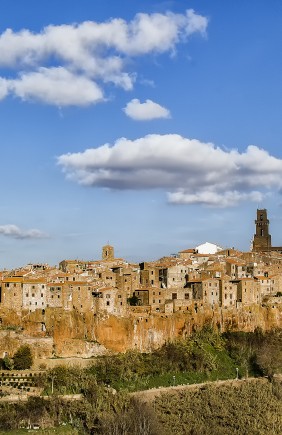
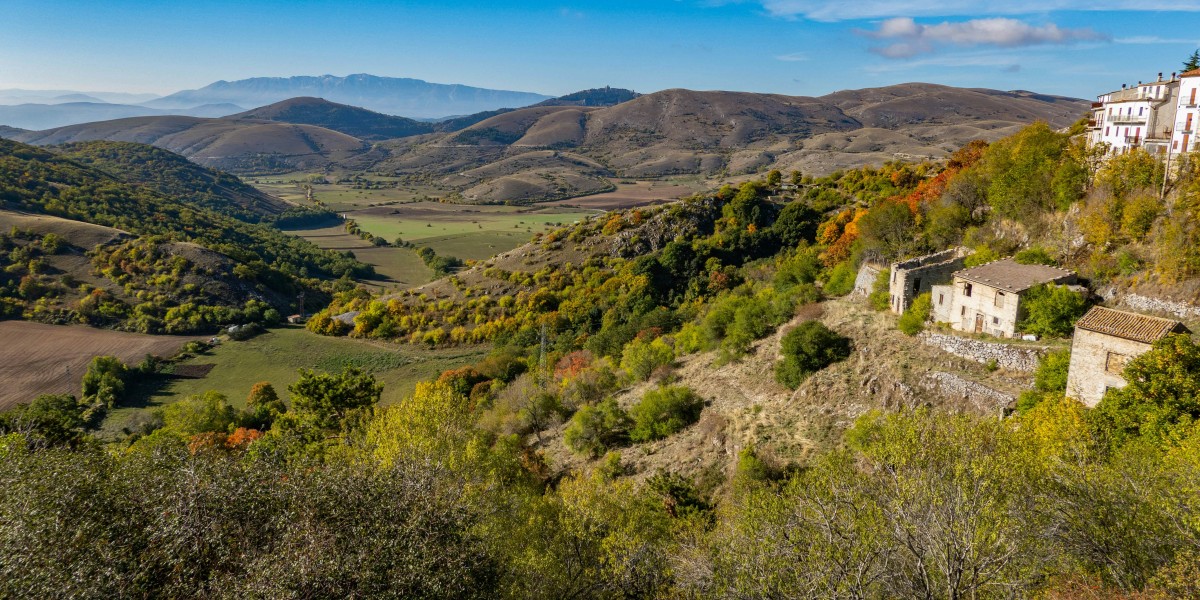
Living in Abruzzo, Italy, can feel refreshingly grounded: beaches and mountain towns are part of the same region, housing costs sit well below the national average, and smaller cities still have a proper everyday rhythm.
It is not, however, a shortcut to an effortless life abroad. Italian is important, a car is often necessary, and a cheap house can need serious work before it feels comfortable year-round.
Is Abruzzo a good place to live?
Abruzzo can work well for people who want a lower-cost life in Italy without being completely cut off from city services. The Adriatic coast, national parks and Apennine mountains give the region plenty of variety, while its provincial cities tend to feel more manageable than Rome, Milan or Florence.
Day-to-day life is usually most straightforward in and around the main cities. Pescara has rail links, an airport, hospitals, larger supermarkets and a more international-facing population. Chieti, Teramo and L’Aquila have useful services too, though their geography and climate shape everyday routines more noticeably.
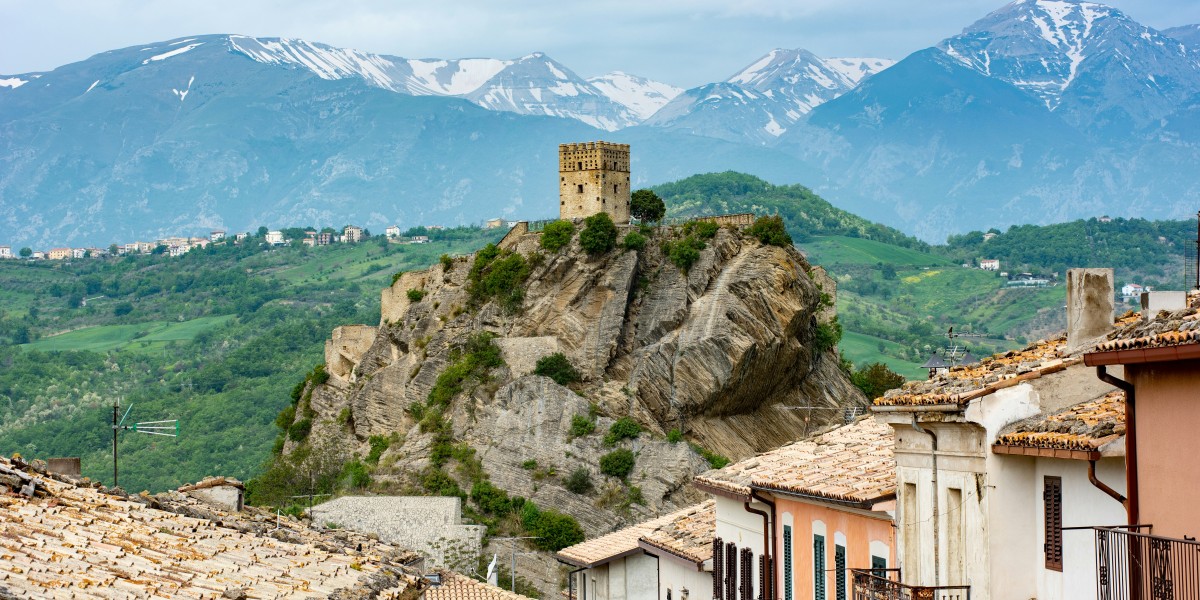
Pros of living in Abruzzo
- Property prices and rents are below the Italian average.
- Coastal, urban, rural and mountain settings are all within one region.
- Local markets, small family-run businesses and town associations can make it easier to settle into everyday life.
Cons of living in Abruzzo
- Public transport becomes sparse away from the coastal corridor and main cities.
- Older homes may need work on heating, roofs, plumbing, damp, insulation or seismic safety.
- Some seaside towns are much quieter beyond the summer season.
Cost of living in Abruzzo
The cost of living in Abruzzo is generally lower than in many Italian regions, but a realistic budget needs to include more than food and rent. Heating, car ownership, home maintenance and travel to bigger cities can make a noticeable difference.
Numbeo figures are useful reference points, rather than a promise of what every household will spend. Household size, property condition and lifestyle choices can shift the numbers quickly.
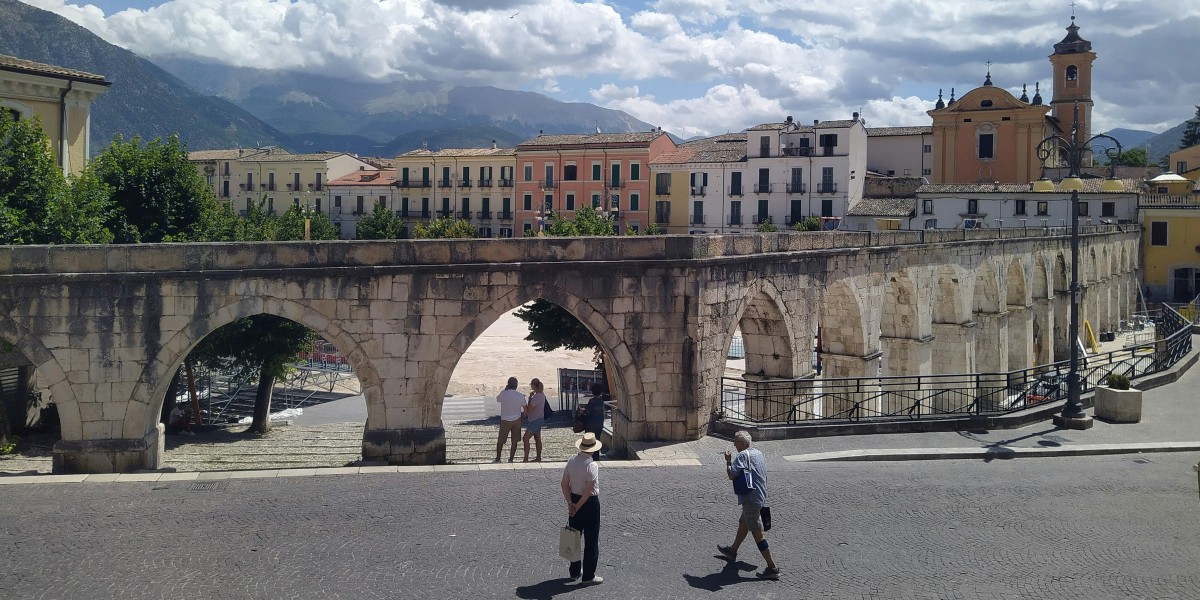
Everyday costs in Pescara, Teramo and L’Aquila
In Pescara, Numbeo estimates that a single person spends around €900.3 per month, excluding rent. For a family of four, the estimated monthly figure is €3,198.2, also excluding rent.
Expensive | Typical cost in Abruzzo |
|---|---|
Inexpensive restaurant meal | €17.50 - €20 |
Mid-range meal for two | €50 - €60 |
Domestic beer, 0.5L | €4 - €5 |
Cappuccino | €1.60 |
Monthly public transport pass | €35 - 40 |
Basic utilities for an 85m² flat | €175 - €217 per month |
Numbeo estimates that the cost of living in L’Aquila is a little lower than in Teramo. That said, L’Aquila’s cooler mountain setting means heating bills can still rise in winter, especially in larger or poorly insulated homes.
Property prices and renting in Abruzzo
According to Idealista’s July 2026 price report, property prices in Abruzzo averaged €1,243 per m². The Italian average was €2,030 per m².
Rental costs show a similar gap. Rent prices in Abruzzo averaged €8.1 per m² in July 2026, compared with €14.9 per m² across Italy. At the regional average, an 80m² home would cost roughly €648 per month, before utilities, condominium charges and other tenancy costs.
Location | Average sale price, July 2026 | Average rent, July 2026 | Approximate monthly rent for 80m² |
|---|---|---|---|
Abruzzo | €1,243 per m² | €8.1 per m² | €648 per month |
Pescara | €1,454 per m² | €9.0 per m² | €720 per month |
Teramo | €1,485 per m² | €8.1 per m² | €648 per month |
L’Aquila | €1,091 per m² | €7.9 per m² | €632 per month |
Chieti | €1,020 per m² | €7.3 per m² | €584 per month |
Can you live in Italy on $3,000 a month in Abruzzo?
A monthly budget of $3,000 can be workable in Abruzzo for a single person or couple, particularly outside Pescara’s more sought-after areas or for people who already own a home. It becomes tighter for a family, anyone paying a mortgage, or households that need regular private healthcare, international schooling or frequent flights abroad.
€1 houses in Abruzzo
A handful of Abruzzo municipalities have used €1 house schemes to bring empty historic homes back into use and attract new residents. These initiatives usually involve properties in smaller towns with declining populations, where owners or local authorities are keen to avoid further dereliction.
Examples in the region include Pratola Peligna’s €1 house village and the €1 house revival plan in Penne. The detail varies by municipality, so prospective buyers need to check the current rules, eligible properties, guarantees and renovation conditions directly with the relevant comune.
Best places to live in Abruzzo, Italy
The best place to live in Abruzzo depends less on a postcard view and more on everyday access: a train station, hospital, supermarket, school, motorway junction, reliable broadband and a community that stays open through winter.
Pescara
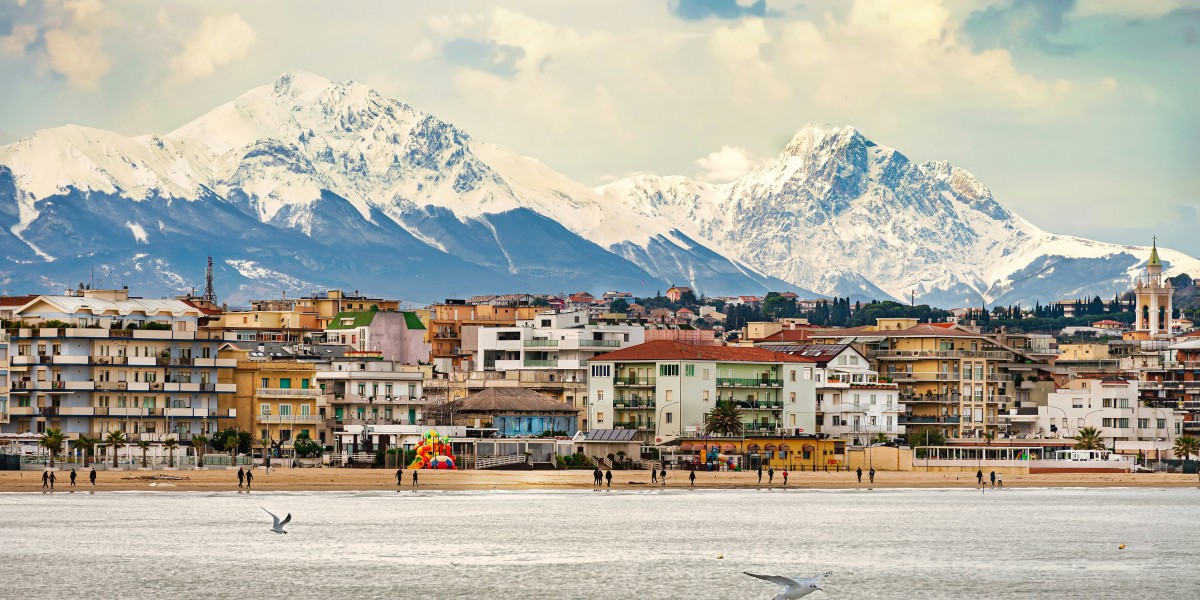
Pescara is often the simplest choice for newcomers because it sits directly on the Adriatic coast and has the region’s broadest mix of everyday services. Its long urban beach, seafront cycle routes and flatter streets give it a different feel from Abruzzo’s hilltop and mountain towns.
Rail connections, motorway access and Abruzzo Airport make weekend travel and trips elsewhere in Italy more manageable. It is also one of the easier places in the region to live without driving for every errand, although a car is still useful for exploring beyond the city.
Chieti
Chieti had the lowest figures among the four cities for buying and renting property. It is divided in character as well as geography.
Chieti Alta sits on a hilltop, with a historic centre, steep streets and wide views towards the surrounding countryside. It has a more traditional provincial rhythm, though parking and getting around on foot require a bit of patience.
Chieti Scalo is lower down and feels more modern, shaped by university life, larger roads and commercial services.
The town's location gives residents easier links towards Pescara, as well as access to major healthcare facilities. It can be a sensible middle ground for people who want a less coastal setting but do not fancy the isolation of a small inland village.
L’Aquila
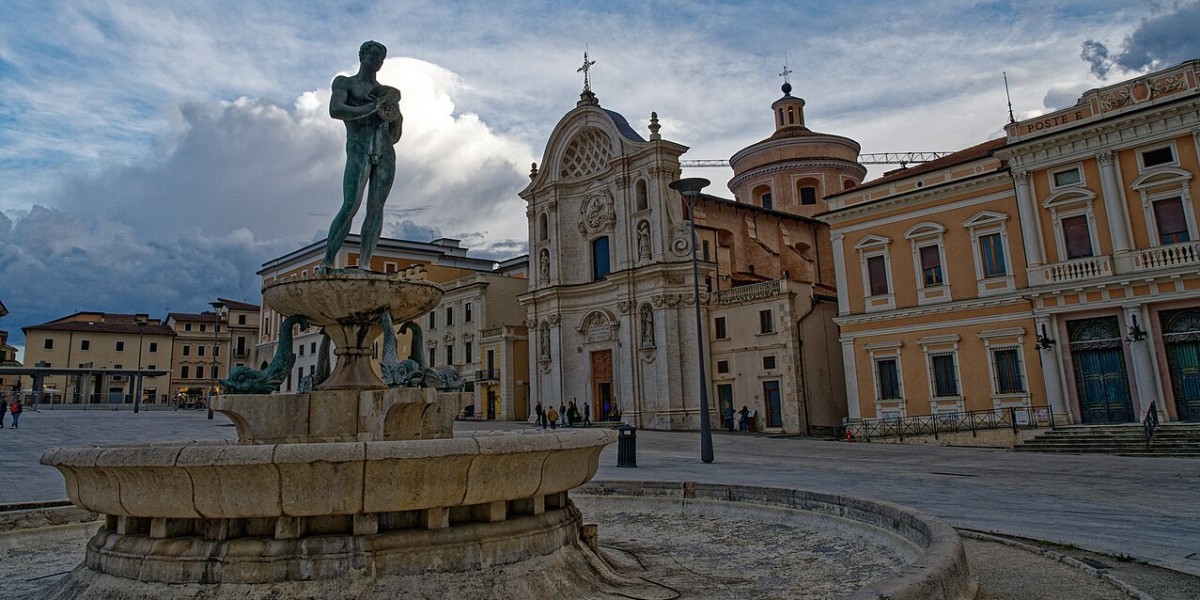
L’Aquila is Abruzzo’s regional capital and a university city, set at a much higher altitude than the coastal areas. It has public services, student life and access to mountain walking and winter sports, giving it a distinctly different atmosphere from Pescara and the Adriatic towns.
The higher location brings colder winters, occasional snow and a greater need to think carefully about heating, insulation and daily travel. Its history of rebuilding after the 2009 earthquake also means buyers should be particularly thorough about building condition, renovation history and seismic documentation.
Teramo
Teramo’s purchase-price average was slightly higher than Pescara’s, a useful reminder that a city’s international profile does not necessarily determine its housing market. It has the practical feel of a provincial capital, with schools, shops, healthcare services and a historic centre that stays active beyond the visitor season.
The city sits close to countryside and has relatively easy road access towards the northern Abruzzo coast. Life here can suit people after a quieter, more local pace than Pescara, without moving somewhere very remote.
English in Abruzzo and local integration
English is more common in Pescara, university settings and tourism-facing businesses, but it cannot be relied upon for the things that matter most when settling in. The comune — local council office — healthcare providers, banks, landlords and tradespeople will usually work in Italian.
Language classes, scambi linguistici (language exchanges), sports groups and local associations are useful routes into regular life. International groups can be reassuring at the start, though they work best alongside genuine local connections rather than as a separate bubble.
Transport and getting around Abruzzo
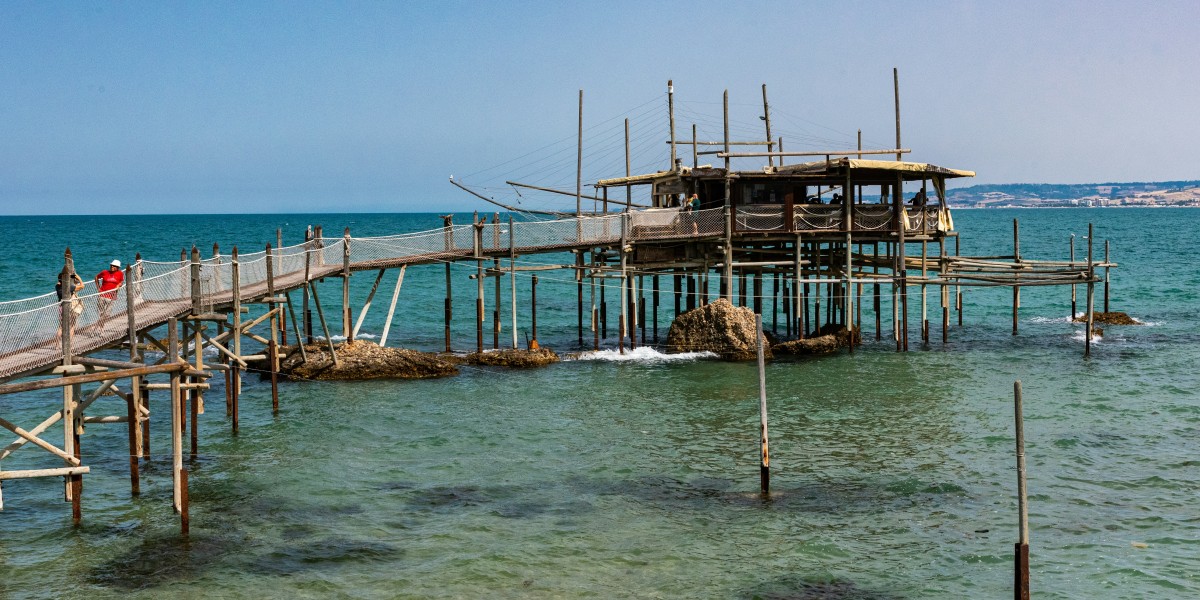
Pescara is the region’s clearest transport hub, with rail connections, motorway access and Abruzzo Airport. The coastal corridor is generally easier to navigate without a car than inland areas, although a vehicle still brings more flexibility.
Outside the larger cities, driving is often part of everyday life. Hill towns can involve narrow streets, tight parking and steep approaches. Mountain areas add snow, ice and longer travel times during winter. A property that looks close to a hospital or station on a map may be much less convenient in real conditions.
Stay in the know about living in Italy as a foreigner—get our weekly newsletter for the latest travel, legal, and lifestyle news.
For a taste of the high life, sign up for the monthly luxury market round-up.