Italy has more than 7,400 kilometres of coastline, yet every summer millions of people end up on the same beaches, at the same stabilimenti — beach clubs — and in the same resorts.
A short distance from the best-trodden routes, there are lesser-known seaside towns where beaches can still be quiet, and lanes can be explored at an easy pace. These are authentic villages, often recognised for water quality or included among Italy’s most beautiful villages, which have simply stayed outside mass-tourism circuits.
- Cervo, Liguria: the coral fishers’ village on the Ligurian Sea
- Tellaro, Liguria: houses on the rocks in the Gulf of Poets
- Numana, Marche: the Lady of Conero
- Grottammare, Marche: the medieval village on the Riviera delle Palme
- San Vito Chietino, Abruzzo: the Costa dei Trabocchi and D’Annunzio
- Chianalea di Scilla, Calabria: the Little Venice of the South
- Marzamemi, Sicily: the tonnara and Val di Noto’s most photographed square
- Campomarino di Maruggio, Puglia: dunes, Ionian Sea and archaeology
- Posada, Sardinia: the castle and the Baronia coast
- Portopalo di Capo Passero, Sicily: where two seas meet
Cervo, Liguria: the coral fishers’ village on the Ligurian Sea
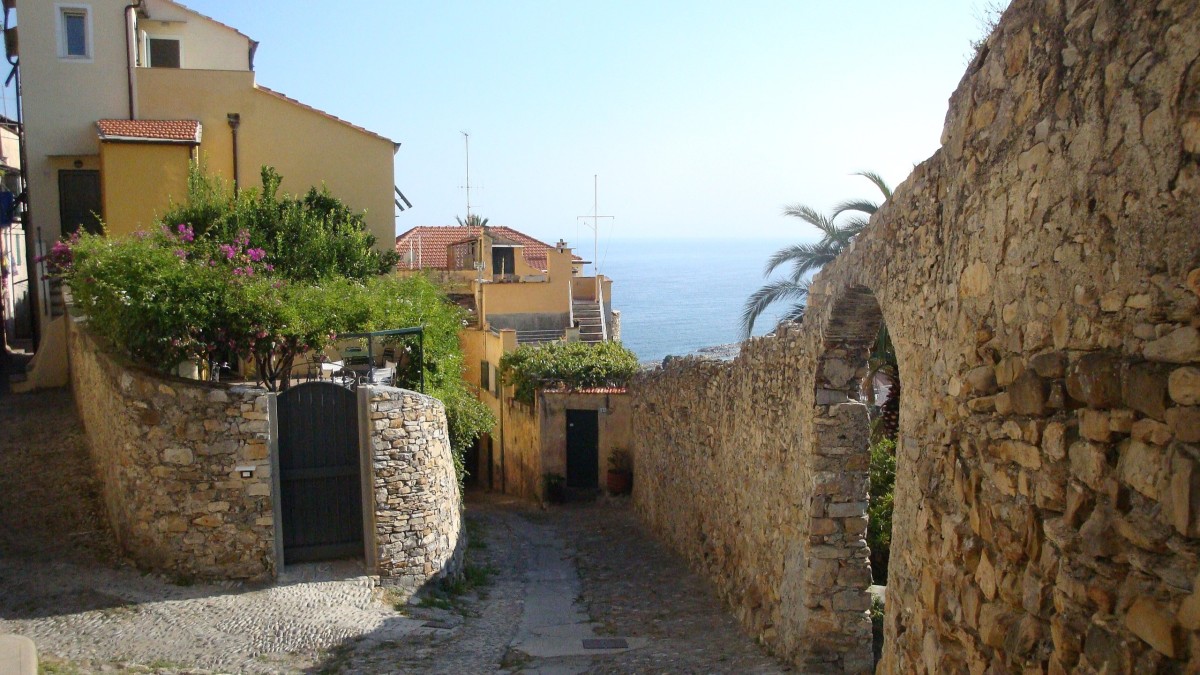
Perched on a hill sloping towards the sea, around 10 kilometres from Imperia, Cervo is one of the most striking villages on the western Ligurian Riviera. It appears on the list of Italy’s Most Beautiful Villages. Its historic centre is a maze of pedestrian-only caruggi — narrow Ligurian lanes — where pastel-coloured houses sit one above another in an organic pattern.
The Baroque Church of San Giovanni Battista is also called the “Church of the Coral Fishers”, as it was funded by local coral fishers. Its unusual concave façade faces straight onto the gulf. The 12th-century Clavesana Castle, now home to the Ethnographic Museum of Western Liguria, has far-reaching views. Each summer, the church square becomes the setting for the International Chamber Music Festival, an internationally respected event held here since 1964.
Tellaro, Liguria: houses on the rocks in the Gulf of Poets
Few villages in Italy leave an impression quite like Tellaro, a tiny fishing settlement built into the rocks of the Gulf of La Spezia. The area is also called the Gulf of Poets, after inspiring writers including Percy Bysshe Shelley and D.H. Lawrence. In one of northern Italy’s more tucked-away villages, brightly coloured homes seem to rise directly out of the rock, while narrow lanes fall away naturally towards the sea.
The Church of San Giorgio, built a few metres from the water, is among the most photographed landmarks in eastern Liguria. According to local legend, an octopus once grabbed the bell rope to wake the fishermen when danger was approaching. Nearby beaches can also be reached on foot along scenic paths.

Numana, Marche: the Lady of Conero
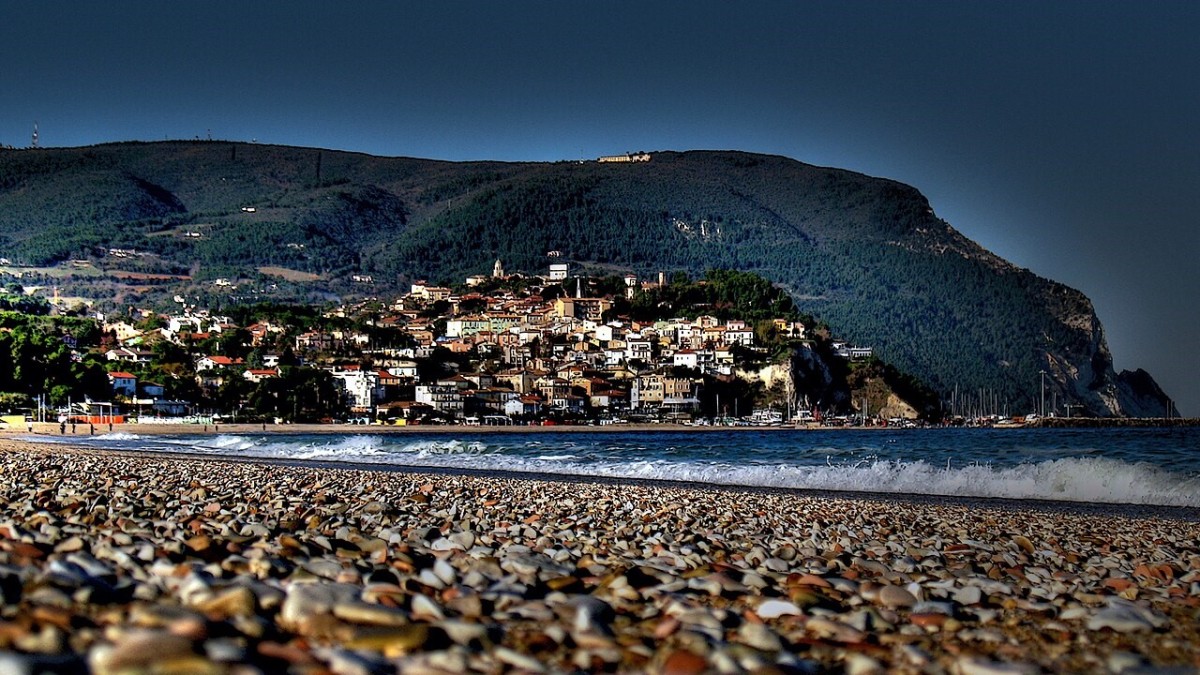
Numana, in the province of Ancona, is often overshadowed by better-known Sirolo, though those familiar with it consider it one of the loveliest destinations and villages in the Marche region. Its historic centre has two distinct parts: the upper town, with a dense web of lanes, fishermen’s houses and a panoramic viewpoint over the Conero Riviera; and the lower town, livelier and home to beaches awarded the Blue Flag each year for water quality.
The old stepped lane called Costarella once connected the two levels and was walked each morning by fishermen heading to the port. Boats leave Numana harbour for the well-known Due Sorelle beach, accessible only by sea and considered among Italy’s finest for its turquoise water and surrounding white cliffs.
Grottammare, Marche: the medieval village on the Riviera delle Palme
Among Italy’s lesser-visited destinations is Grottammare, a town with two sides. There is a modern seafront area, with palm trees and beach clubs, alongside an upper medieval quarter climbing a hill with a timeless feel. The old village has retained its walls, gateways, a 16th-century tower and several historic churches and palaces.
Christina of Sweden stayed at the 17th-century Villa del Cardinale Azzolino, while connections with the Peretti family — the family of Pope Sixtus V, who was born here in 1521 — are visible across the town. The balcony portico near Teatro dell’Arancio has views across the Adriatic for dozens of kilometres. The village also contains several works by Pericle Fazzini, the internationally recognised 20th-century sculptor who came from this area.
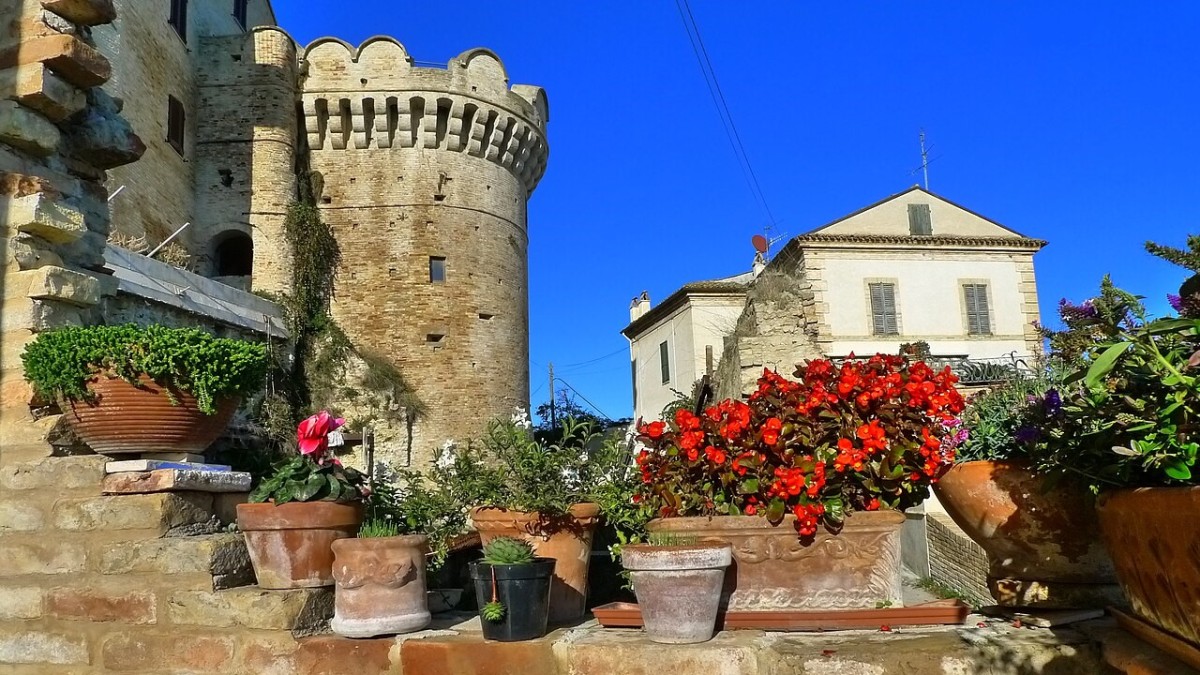
San Vito Chietino, Abruzzo: the Costa dei Trabocchi and D’Annunzio
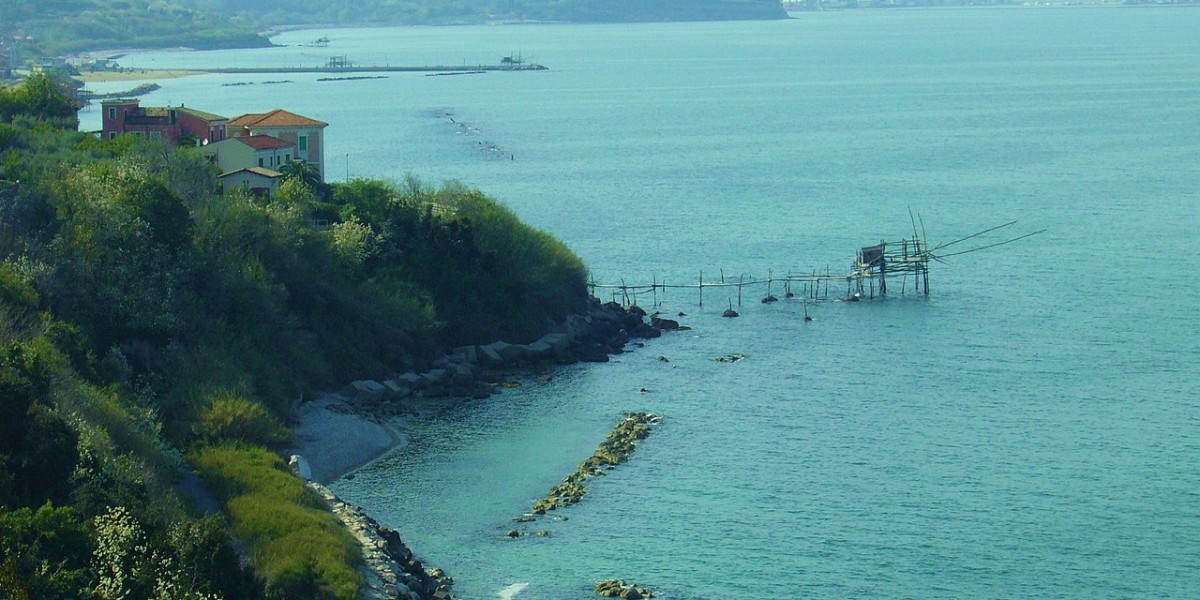
Along the Costa dei Trabocchi, between Ortona and Fossacesia, stands San Vito Chietino, a village perched on a rocky outcrop with wide views over the Adriatic. On clear days, the view from the main square reaches as far as Gargano and the Tremiti Islands. The trabocchi — historic stilted fishing structures built on the rocks — are the emblem of this section of coast, and many have been converted into atmospheric restaurants above the water.
Gabriele D’Annunzio stayed here during the summer of 1889 with his muse Barbara Leoni, drawing inspiration for his novel Il Trionfo della Morte. The Promontorio del Turchino, with its sea in deep shifting shades, is one of Abruzzo’s most photographed coastal stretches.
- Houses for sale in San Vito Chietino
- Houses for rent in San Vito Chietino
- Holiday homes in San Vito Chietino
Chianalea di Scilla, Calabria: the Little Venice of the South
On the Costa Viola in the province of Reggio Calabria, Chianalea is Scilla’s historic fishing quarter and the part of the town most worth discovering. Its homes are built directly on rocks above the sea, with foundations washed by the waters of the Strait of Messina. This is why it is nicknamed the “Little Venice of the South”.
The imposing Ruffo Castle, rising above the village, separates Chianalea from Marina Grande beach, one of the best stretches on Calabria’s Tyrrhenian coast. Small restaurants on stilted platforms above the water serve locally caught swordfish from the strait.

Marzamemi, Sicily: the tonnara and Val di Noto’s most photographed square
At Sicily’s south-eastern tip, a few kilometres north of Portopalo di Capo Passero, Marzamemi grew around one of the island’s most important historic tonnare, or tuna fisheries. The town’s large square, with black lava-stone paving and Baroque buildings, is one of eastern Sicily’s most photographed public spaces.
The tonnara, no longer in use as a production facility, now hosts cultural events, exhibitions and the popular Sul filo del Sud film festival. Beaches and small coves nearby, including Cala Mosche in the Vendicari Nature Reserve, bring together clear water and sandy dunes. Marzamemi is also a good place to try local food, including bottarga, cured fish roe, tuna in its many forms and local dishes with Arab influences.

Campomarino di Maruggio, Puglia: dunes, Ionian Sea and archaeology
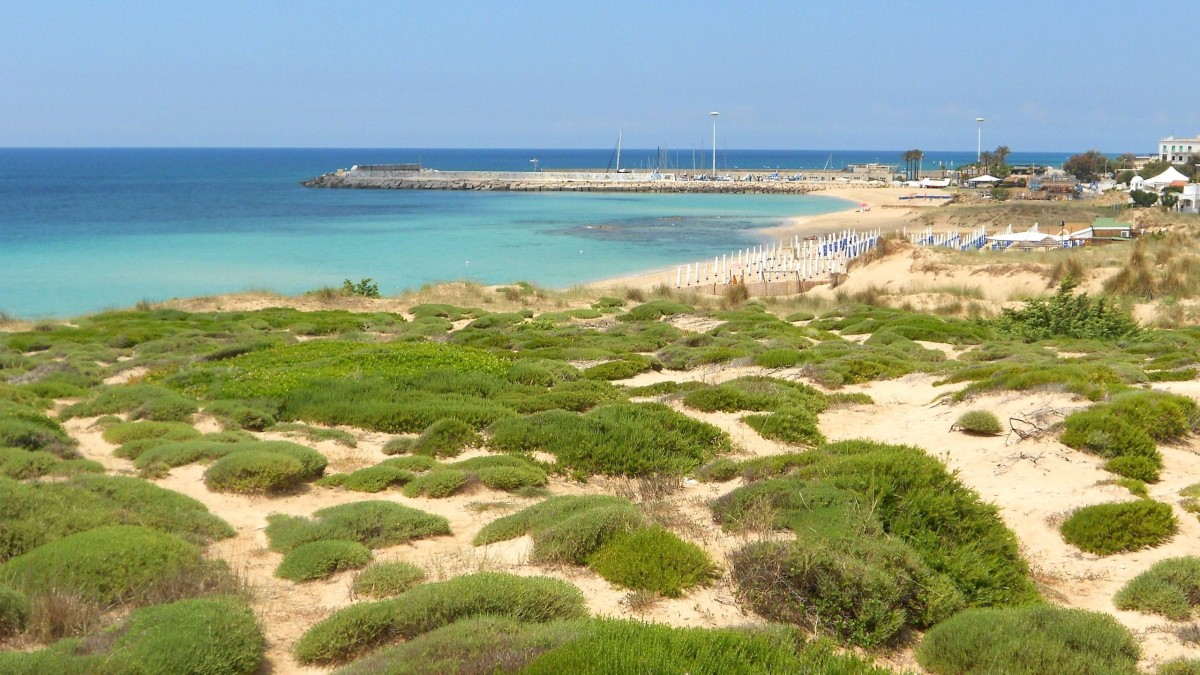
On the Ionian coast in the province of Taranto, Campomarino is the seaside district of Maruggio. It comes alive mainly in summer, with Italian visitors and a small number of foreign travellers who have found their way here. Its pale sandy beaches, sheltered by coastal dunes within a protected natural area, run for around nine kilometres along a distinctly blue stretch of the Ionian Sea.
The Torre delle Moline, a 15th-century Saracen tower overlooking the main square, is a historical landmark reflecting the long defensive history of this part of Puglia. Snorkelling enthusiasts can find Roman marble sarcophagi at a depth of around six metres, forming one of Italy’s more unusual underwater archaeological parks.
Posada, Sardinia: the castle and the Baronia coast
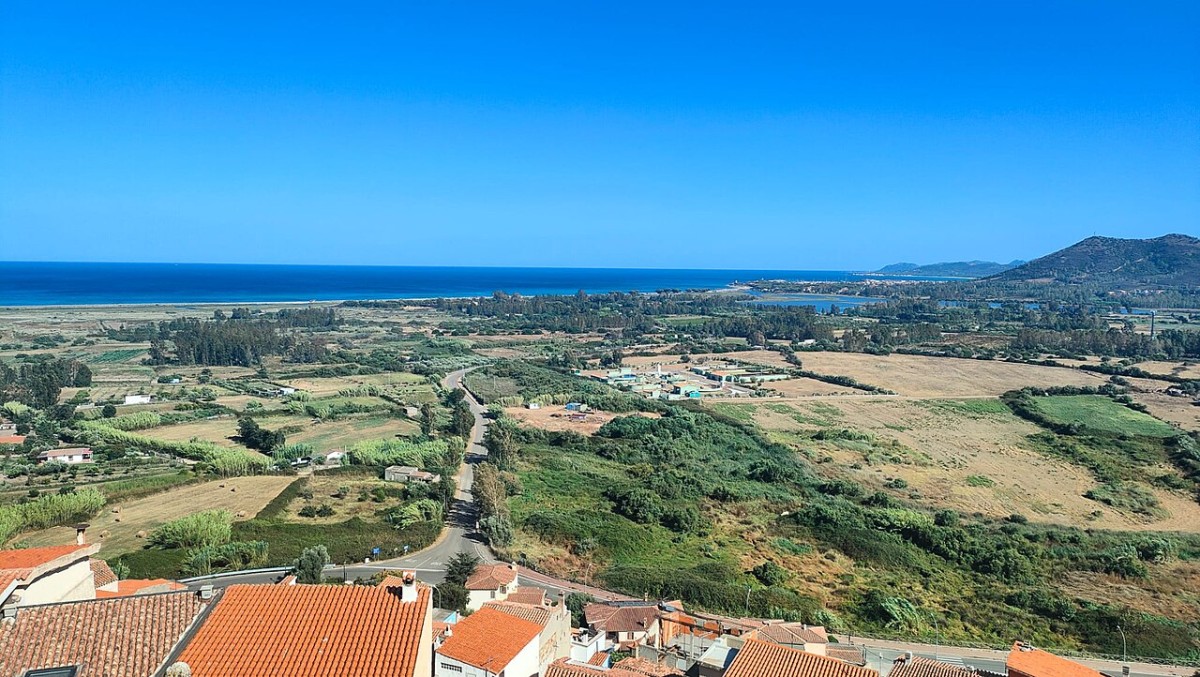
Included among Italy’s Most Beautiful Villages, Posada is a small comune in north-eastern Sardinia, perched on a limestone hill a few kilometres from the coast. The 13th-century Castello della Fava dominates a varied setting of coastal plain, sea and the hills of Baronia. According to legend, the castle takes its name from a broad bean thrown by those under siege to make their food supplies appear plentiful.
The historic centre is a maze of lanes, steps and limestone arches winding between homes. The Rio Posada valley, which can be explored by kayak, provides a nature-focused outing amid river vegetation and Nuragic sites. The nearby Tepilora Park, a UNESCO Biosphere Reserve, and local beaches, including San Giovanni beach, awarded Legambiente’s Five Sails, round out the area.
Portopalo di Capo Passero, Sicily: where two seas meet
At Sicily’s southernmost point, and at the southernmost edge of continental Europe, Portopalo di Capo Passero is the place where the Ionian Sea and the Mediterranean meet, creating unusual currents and changes in colour. The village is home to Italy’s largest tonnara, now an example of industrial archaeology that can be visited. The 1935 Art Nouveau-style Castello Tafuri stands on a rocky outcrop over the sea, creating one of Sicily’s most recognisable coastal scenes.
Opposite lies the island of Capo Passero, while at low tide Isola delle Correnti becomes a peninsula that can be reached on foot. For those looking for wilder beaches and some of the Mediterranean’s least disturbed sea, Portopalo remains one of southern Italy’s more surprising lesser-visited destinations.

Stay inspired for your travels in Italy —get our weekly newsletter for the latest travel, legal, and lifestyle news.