Rome has no shortage of headline acts. The Colosseum, the Trevi Fountain and the Vatican draw the crowds, while areas such as Trastevere and Monti tend to dominate the neighbourhood chat. A recent global ranking has looked elsewhere, selecting a central district where nineteenth-century grandeur, busy station life and a remarkable range of food traditions all meet.
Published on 16 September 2026, Time Out’s list of the 40 coolest neighbourhoods in the world puts the spotlight on a part of Rome that can feel scruffy, hectic and deeply practical, often within the same block.
Why Time Out selected Esquilino
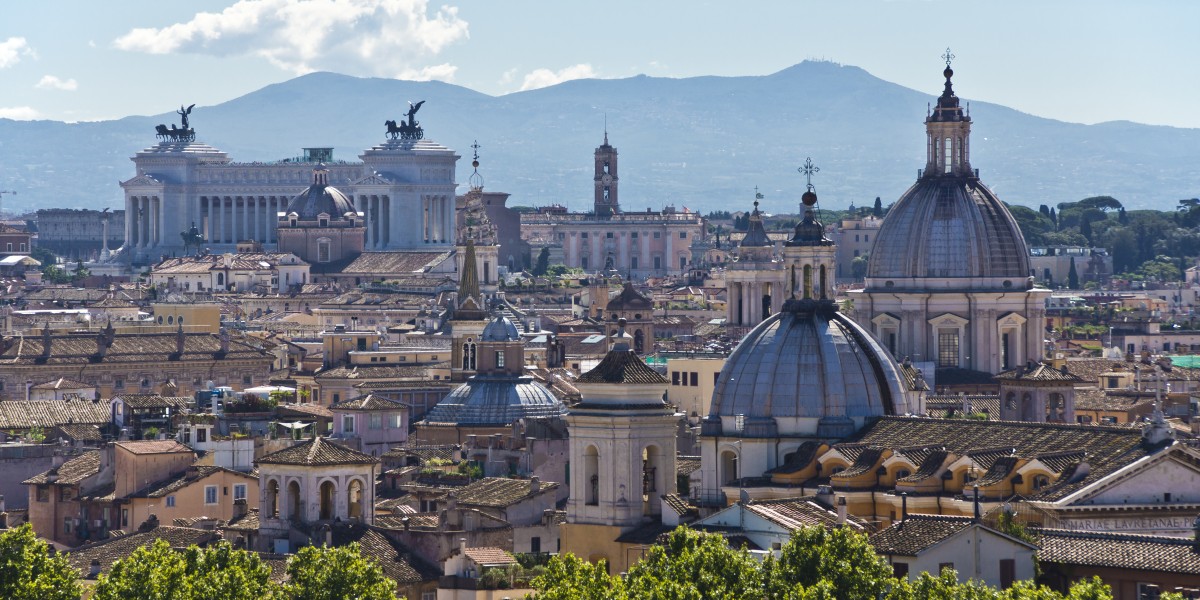
Esquilino spreads across the Esquiline Hill around Piazza Vittorio Emanuele II and the streets east of Roma Termini. Time Out describes it as “grand, gritty and unexpected”, a fitting shorthand for an area where elegant porticoed palazzi, ancient Roman remains, galleries, markets and family-run restaurants coexist.
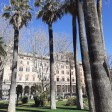
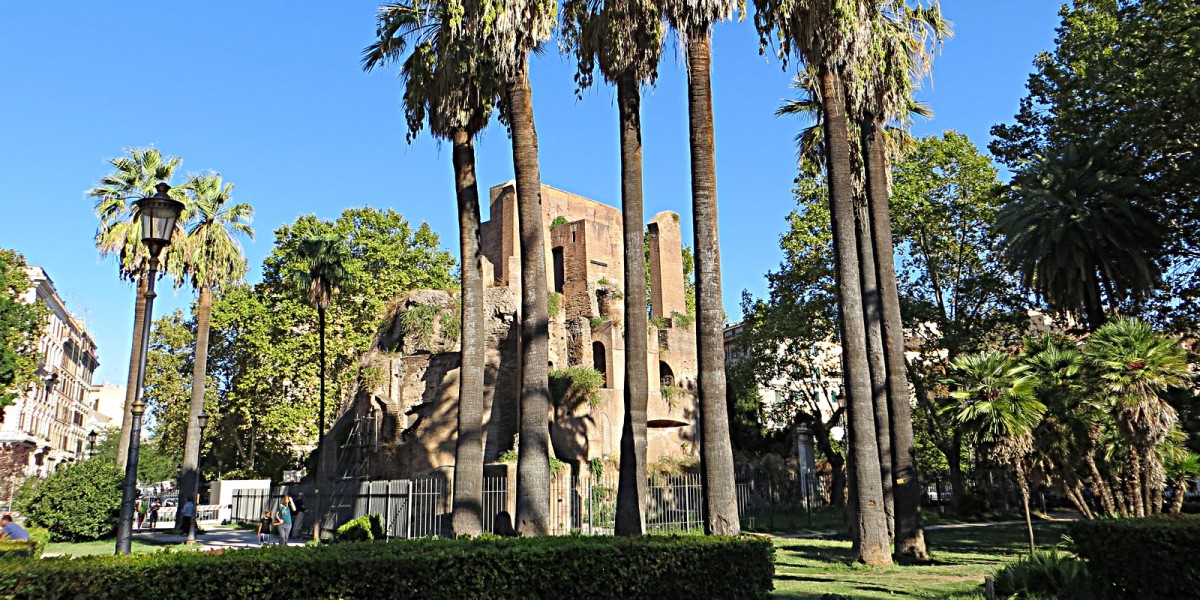
At the heart of the neighbourhood, Piazza Vittorio is one of Rome’s largest squares. Its nineteenth-century arcades frame Giardini Nicola Calipari, a public garden that has become a proper meeting point for the area.
Time Out also highlights Esquilino’s everyday international character. The district’s food scene is not a recent marketing invention. It has long reflected the communities who live and work here, with Chinese, South Asian, Vietnamese and other kitchens sitting alongside Roman trattorias, bakeries and gelaterias.
Piazza Vittorio is the neighbourhood’s daily meeting point
Piazza Vittorio makes more sense as a shared local space than as a sight to tick off. The porticoes offer shade, the gardens give the surrounding built-up streets a patch of green, and there is almost always someone passing through with shopping bags, a suitcase or a dog on the way home.
Gardens and summer culture at Horti Magici
Giardini Nicola Calipari are modest in size compared with Villa Borghese or Villa Doria Pamphilj, but they matter in this compact, densely populated part of Rome. The gardens contain archaeological fragments, paths and shaded spots for a break between errands.
Market life at Nuovo Mercato Esquilino
A short walk away, Nuovo Mercato Esquilino is among the neighbourhood’s most useful places for anyone who cooks. The market sells everyday fruit and vegetables, fish, meat and pantry goods, alongside herbs, spices and ingredients that can be harder to find in other parts of the city.
Art, architecture and gelato near Termini
Esquilino’s cultural life does not announce itself with the same fanfare as Rome’s blockbuster museums, which is part of the point.
- Palazzo Merulana brings together twentieth-century Italian art in a restored building near Via Merulana. Its exhibitions and events provide a quieter alternative to the city’s major institutions.
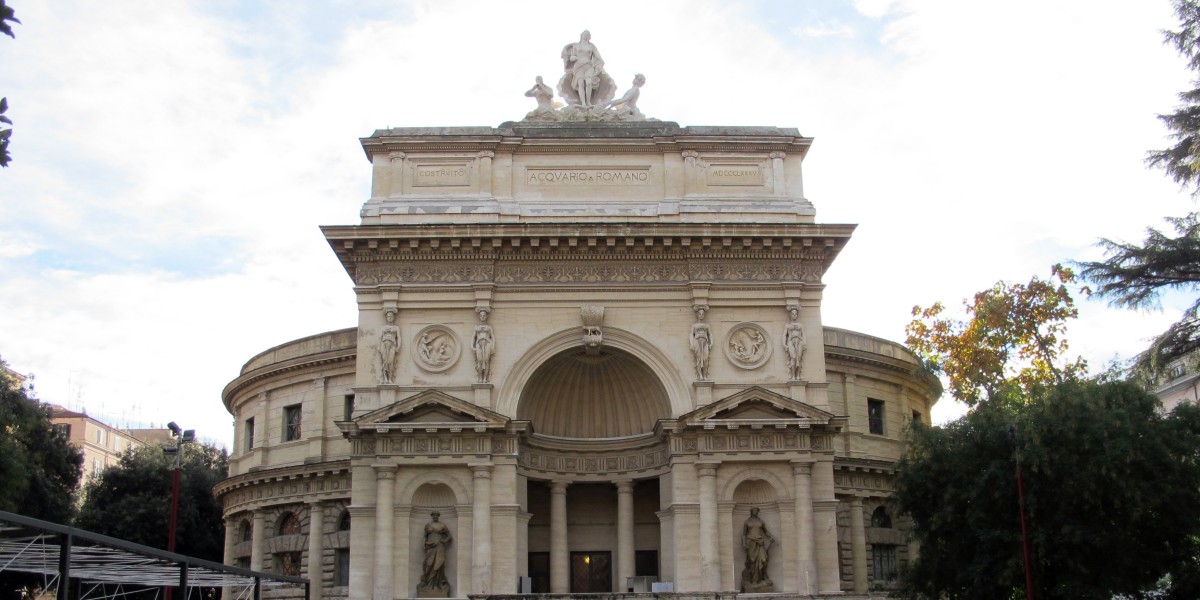
- The nearby Acquario Romano is another reminder of the district’s turn-of-the-century architecture. The former aquarium building is now used for events and institutional activity.
- Fassi 1880, a gelateria on Via Principe Eugenio, remains one of Esquilino’s classic stops. Its historic sanpietrini dessert, made with small blocks of gelato coated in chocolate, is closely associated with the shop.
Eating in Esquilino beyond Roman classics
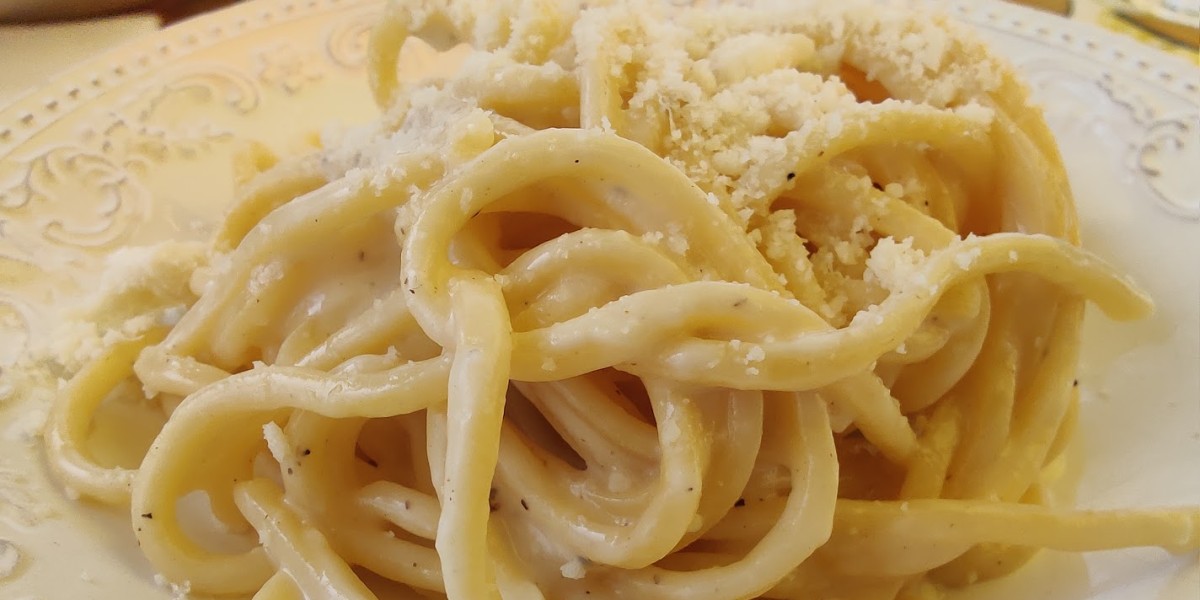
The food scene is a useful way to understand Esquilino, but it deserves more care than a list of cuisines. The district’s restaurants and shops grew alongside the people who made this part of Rome home, and the best meals tend to come from treating the area as a neighbourhood rather than a trend.
Hang Zhou and Krishna 13, both singled out by Time Out, represent two very different strands of local dining: Chinese cooking and Indian cuisine in a central Roman district where ingredients, family businesses and regular customers overlap.
For Roman dishes, Trattoria Da Danilo near Piazza Vittorio is a well-established choice for classics such as cacio e pepe.
Living in Esquilino: convenience, crowds and housing costs
Living near Termini comes with genuine advantages. Roma Termini links metro lines A and B, regional trains, national rail services, buses and airport connections, making Esquilino particularly convenient for commuters and frequent travellers.
The trade-off is constant movement. Luggage wheels, traffic, tour groups and station crowds shape the streets closest to Termini, while some parts of the wider area can feel rougher late at night.
Housing costs reflect the area’s centrality. In August 2026, properties in the broader Termini–Castro Pretorio area, which includes Esquilino, averaged €5,820 per m², compared with €3,800 per m² across Rome.
- An 80 m² property at the Termini–Castro Pretorio average would work out at roughly €465,600, before purchase taxes, notary fees, agency costs and renovation.
Renting in the broader area also costs more than the Rome average. In August 2026, rent prices stood at €25.0 per m², compared with €19.1 per m² across Rome and €27.9 per m² in the wider historic centre.
- An 80 m² flat at the Termini–Castro Pretorio average would come to around €2,000 per month, before utilities and other household costs.
For broader context on the practicalities of living in Rome, Esquilino sits at the more connected, less polished end of the central-city spectrum. The different trade-offs across the capital are also clear in the best places to live in Rome.
Who Esquilino suits
Esquilino can work well for rail commuters, students, frequent travellers and anyone who prefers a central neighbourhood with plenty of life on the street. The market, diverse restaurants, gallery programme and quick access to the rest of Rome make daily routines easier than in many more picturesque districts.
It may feel less comfortable for people after quiet evenings, spotless pavements, private outdoor space or straightforward parking. Older buildings also vary wildly in maintenance and accessibility, so viewing a flat at different times of day is particularly useful.