If 2026 is your big Italy year, lining up the best museums in Italy to visit makes a huge difference to how the trip feels. The country’s full of world‑class galleries and archaeology collections, but also long queues, timed tickets and the odd slightly dusty space that you can happily skip.
- How to choose the best museums in Italy for your trip
- The top 10 museums in Italy for 2026
- Uffizi Gallery, Florence
- Vatican Museums and Sistine Chapel, Rome
- Galleria dell’Accademia, Florence
- Capitoline Museums, Rome
- National Archaeological Museum of Naples
- MAXXI, Rome
- Peggy Guggenheim Collection, Venice
- National Archaeological Museum of Reggio Calabria
- Egyptian Museum, Turin
- Brera Art Gallery, Milan
How to choose the best museums in Italy for your trip
Planning museum time in Italy is a bit like planning meals: you could eat everything, but you will feel awful if you try. It helps to be picky, especially in 2026, when Italy will be hosting big exhibitions, major anniversaries and the usual crush of summer visitors.
Before you start hoovering up tickets, it is worth thinking about what you actually enjoy, how much “heavy” art you can handle in a single day, and how far you are willing to travel beyond the standard Venice–Florence–Rome loop.
The top 10 museums in Italy for 2026
The top slots go to the classic art powerhouses that dominate every “best museums in Italy” search, simply because they are that good in person. After that, you get a mix of archaeology, modern art and contemporary culture, so the whole thing does not blur into one long corridor of Madonnas and marble torsos.
Uffizi Gallery, Florence
Italy’s most famous art museum

The Uffizi is the one that even your least arty mate has heard of, and in this case, the hype is justified. The collection is a deep dive into the Renaissance, with Botticelli’s “Birth of Venus”, works by Leonardo, Michelangelo and Caravaggio, and endless chances to play “spot the face” from your old school history books.
In 2026, it will still be one of the busiest museums in Italy, so booking ahead and going early or late in the day is almost non‑negotiable. It works best if you give it a solid half‑day and then escape to the river or check out some of the less touristy things to do in Florence.
Don’t miss: The corridor views over the Arno and Ponte Vecchio, which are a great breather between the heavier Renaissance rooms.
Vatican Museums and Sistine Chapel, Rome
Italy’s most visited museum complex
The Vatican Museums are less a museum and more a marathon through centuries of art, ending with the most famous ceiling in the world. You wind past classical sculptures, maps, tapestries and Raphael’s frescoed rooms before finally shuffling into the Sistine Chapel and craning your neck at Michelangelo’s masterpiece.
The crowds can be intense, so the trick is to book a timed ticket, respect the dress code, and brace for a fairly set route with limited chances to linger.
Don’t miss: The Gallery of Maps, which most people rush through but is one of the most striking spaces in the whole complex.
Galleria dell’Accademia, Florence
Michelangelo’s David up close
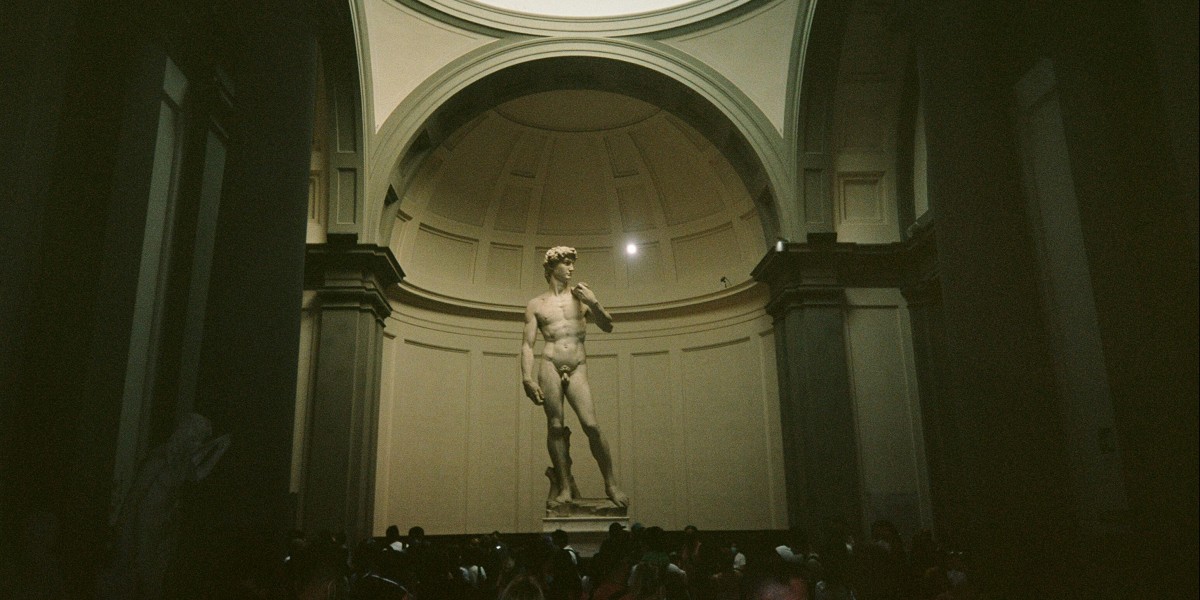
The Accademia is basically the house of David, and seeing the statue in person does live up to the postcards. The way the light hits the marble, and the fact you can wander all the way round him, gives you a very different sense of Michelangelo’s skill than any photo.
Beyond David, there are other unfinished sculptures and a small but interesting collection of paintings and musical instruments, so it does not drag on for hours.
Don’t miss: Michelangelo’s “Prisoners” sculptures leading up to David, which show his carving process in a really raw way.
Capitoline Museums, Rome
The story of ancient Rome indoors
Perched on the Capitoline Hill, these museums give you the indoor, curated version of Rome’s ruins. The star turns are pieces like the bronze Capitoline Wolf and the statue of Marcus Aurelius. But a lot of the pleasure comes from wandering through grand rooms full of sculpture and then suddenly catching a view over the Forum.
They are a brilliant follow‑up to an outdoor day at the Colosseum and Forum, helping you stitch together the fragments you have just walked past.
Don’t miss: The underground passage linking the palaces, where you suddenly get atmospheric views of the Roman Forum.
National Archaeological Museum of Naples
Pompeii in one building
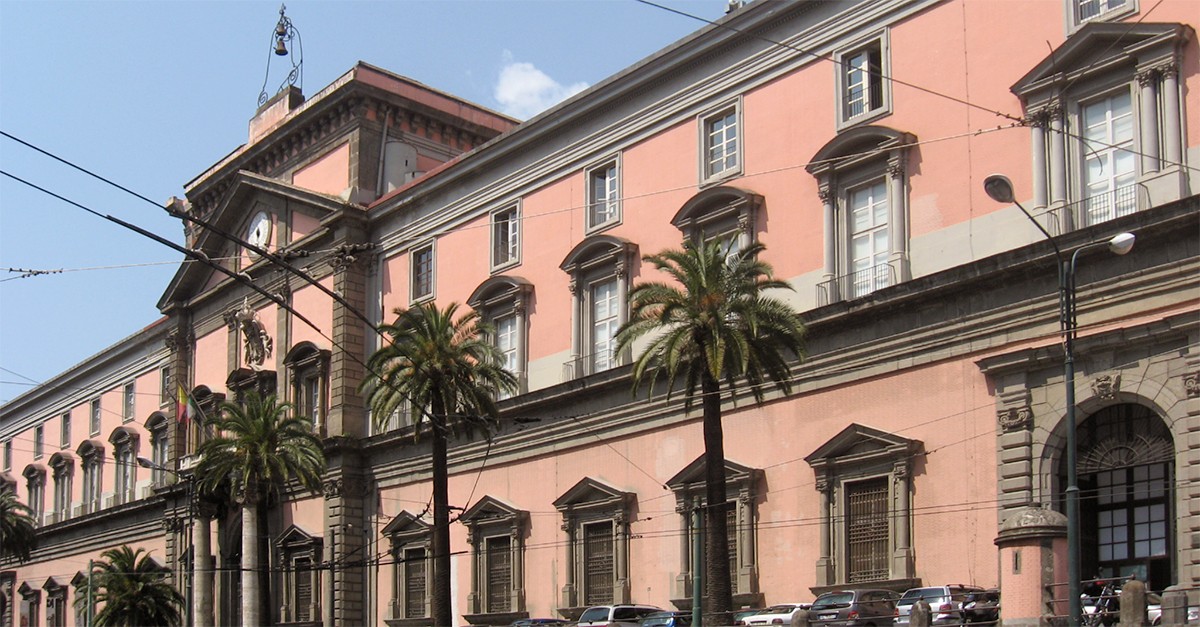
If you are heading anywhere near Pompeii or the Amalfi Coast, this museum in central Naples is the missing piece. Most of the best mosaics, frescoes and sculptures from the UNESCO-protected Pompeii and Herculaneum live here, which suddenly makes the half‑crumbled walls out at the sites feel much more real.
The Farnese sculptures are jaw‑dropping, and the overall collection is one of the strongest ancient‑world line‑ups in Europe.
Don’t miss: The “Secret Cabinet” room, if it’s open, which gives a cheeky glimpse of the more risqué side of ancient art.
MAXXI, Rome
Contemporary art and architecture
If you start to feel like Rome is all marble and Baroque, MAXXI is the reset button and one of the city's lesser-known landmarks. Housed in a striking building by Zaha Hadid, it focuses on contemporary art and architecture, with exhibitions that change regularly and plenty of space to breathe between works.
The crowd here tends to be younger and more local, so it gives you a different slice of Roman life compared with central tourist zones. It is ideal for a second or third day in the city, when you have ticked off the ancient showstoppers and fancy doing something less touristy in Rome.
Don’t miss: Simply wandering the building’s ramps and curves, even between shows, because the architecture is half the experience.
Peggy Guggenheim Collection, Venice
Modern art on the Grand Canal

Tucked into Peggy Guggenheim’s former palazzo on the Grand Canal, this is the opposite of a stuffy mega‑museum. You wander through relatively intimate rooms packed with 20th‑century greats like Picasso, Pollock and Kandinsky, and then pop out into a sculpture garden.
It is a refreshing change of pace in Venice, especially if you are starting to glaze over at yet another gilded altarpiece and fancy doing something a little less touristy. It is especially handy as a midday or late‑afternoon stop, giving you art, fresh air and views in one go.
Don’t miss: The terrace right on the Grand Canal, which feels more like being in a private home than a museum.
National Archaeological Museum of Reggio Calabria
Home of the Riace Bronzes
Right down in Calabria, looking across the water to Sicily, this museum is all about the ancient Greek presence in southern Italy, and the stars of the show are the Riace Bronzes. Those two life‑size warriors, pulled from the sea in the 1970s, are some of the most haunting sculptures you can see anywhere, and the display is set up so you can really get close and take them in properly.
The wider collection covers pottery, jewellery and everyday objects from the old Greek colonies. You'll come away with a much richer sense of what “Magna Graecia” actually meant on the ground.
Don’t miss: The viewing room for the Riace Bronzes themselves, where the lighting and layout make them feel almost like living figures rather than archaeological finds.
Egyptian Museum, Turin
Pharaohs in the Piedmont drizzle
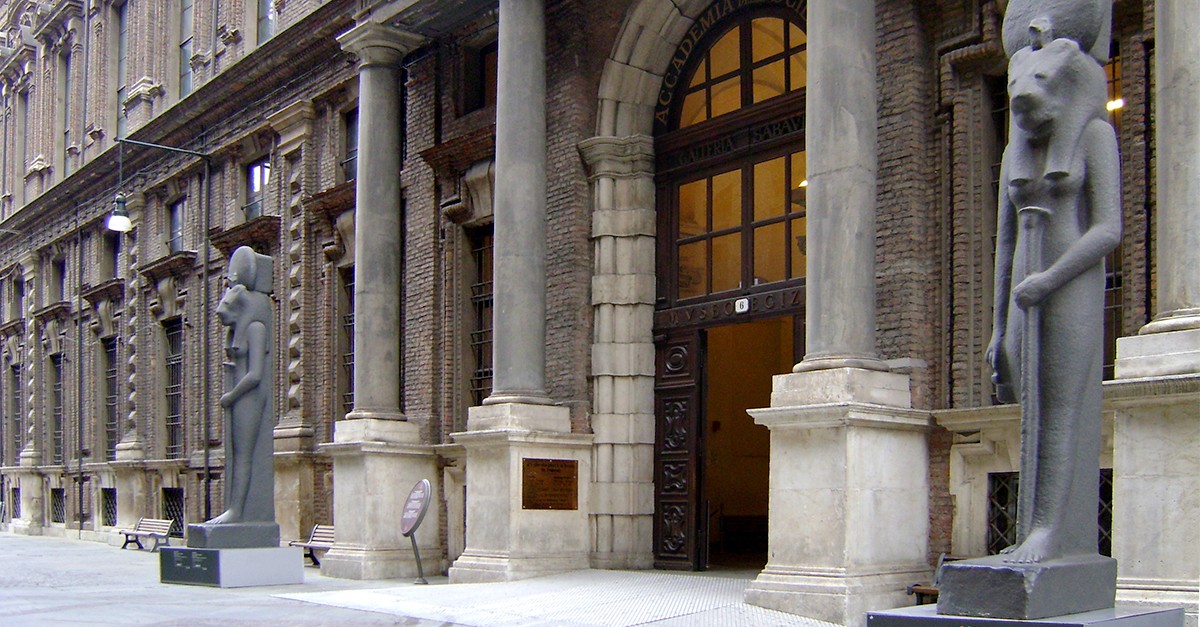
Turin’s Egyptian Museum is one of those places that surprise people who think Egypt equals Cairo, and that is it. The collection here is enormous, with mummies, statues, everyday objects and whole reconstructed tomb scenes that make ancient Egypt feel strangely close.
Over the last few years, it has been revamped with clearer explanations and more interactive displays. Therefore, it is as good for curious kids as for adults who were secretly archaeology nerds at school.
Don’t miss: The reconstructed tomb settings, which are wonderfully theatrical and make the objects feel less like dry displays.
Brera Art Gallery, Milan
Italian masterpieces in a liveable neighbourhood
The Pinacoteca di Brera sits in one of Milan’s loveliest districts. The gallery itself has a mellow, slightly scholarly atmosphere that is easy to sink into. Inside, you get an excellent survey of Italian painting. There are works by Caravaggio and Raphael, among others, but without the feeling of being battered by an endless blockbuster line‑up.
Stepping back outside, you are in the heart of Brera, full of narrow streets, independent shops and places to linger over an aperitivo.
Don’t miss: The central courtyard and its quiet, almost cloister‑like feel, which is a rare pocket of calm in busy Milan.
Stay inspired for your travels in Italy —get our weekly newsletter for the latest travel, legal, and lifestyle news.