Clear blue water, mountain backdrops and grand villas make the Italian lakes some of the most romantic landscapes in Europe. From the famous northern lakes to quieter volcanic and coastal basins, several places easily count among the best Italian lakes to visit in the new year.
Five of the best Italian lakes to visit
From Alpine lakes to volcanic basins and coastal lagoons, each of these Italian lakes has a different feel:
- Lake Garda – best for families and water sports
- Lake Maggiore – best for islands and scenic train/boat trips
- Alimini Lakes – best for beaches and nature in Puglia
- Lake Braies – best for the Dolomites scenery and photography
- Lake Bolsena – best for swimming and relaxed villages in Lazio
Lake Garda
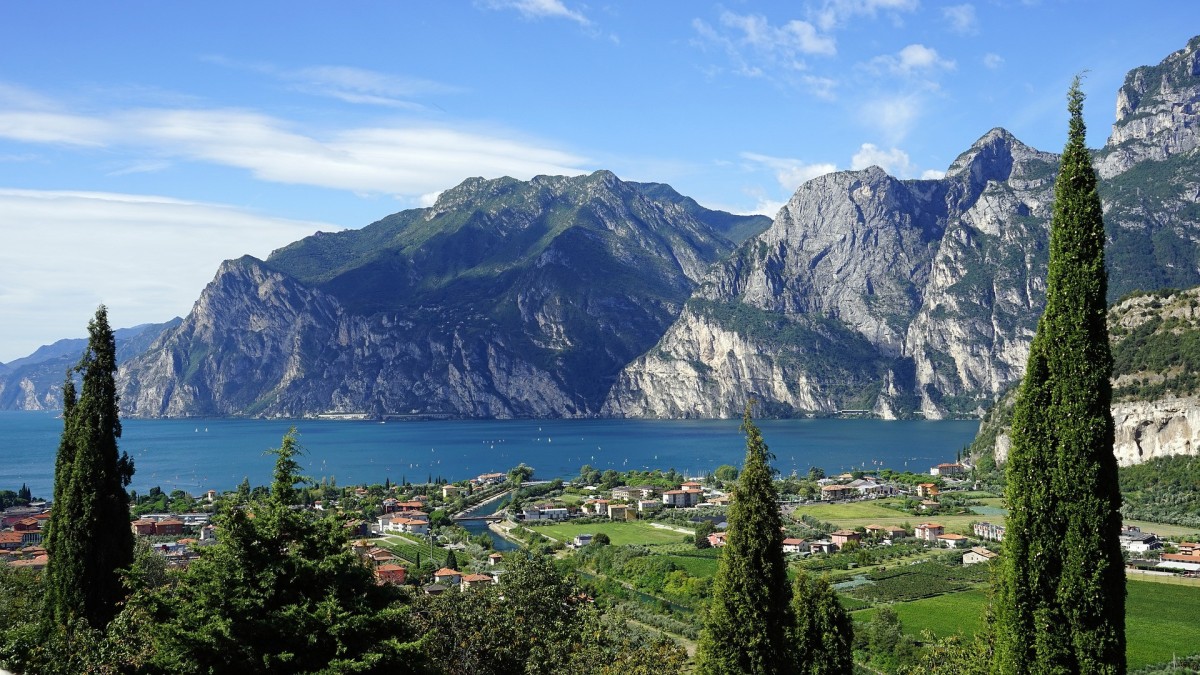
Lake Garda is the big one – literally – stretching between Lombardy, Veneto and Trentino‑Alto Adige. Up north, you get that dramatic, fjord‑like feel with cliffs plunging into deep blue water, while the southern end softens into rolling hills and vineyards.
It’s one of the best Italian lakes to visit if you like to mix lazy days with activity. Families head here for beaches and theme parks, while others come for sailing, windsurfing, and kitesurfing. Top Lake Garda villages, like Peschiera, Sirmione, Malcesine and Limone sul Garda, all add their own twist.
Best for: Families, water sports, theme parks and a big choice of lakeside resorts.
How to get there: Good train links to Desenzano and Peschiera from Milan and Verona.
Best time to visit: May–June and September usually mean warm weather without peak‑summer crowds.
Lake Maggiore

Lake Maggiore has a slightly old‑world, grand‑hotel charm, straddling northern Italy and Switzerland with Alpine peaks rising in the distance. The Italian shores in Piedmont and Lombardy are dotted with lidos, tiny harbours and tree‑lined promenades where you can stroll, stop for a spritz and watch the boats glide past.
Out in the middle, the Borromean Islands sit like a film set, all palaces, gardens and neat little villages, while towns such as Stresa, Verbania and Locarno each bring their own character. The Lago Maggiore Express, running from mid‑April to mid‑October, knits train and boat together into one very scenic loop.
Best for: Island‑hopping, scenic train‑and‑boat trips, easy walking and relaxed family holidays.
How to get there: Rail connections from Milan to Stresa and Verbania‑Pallanza, plus regional trains and frequent boat services.
Best time to visit: April–October, with May–June and September especially good for being outdoors without the hottest temperatures.
The Alimini lakes
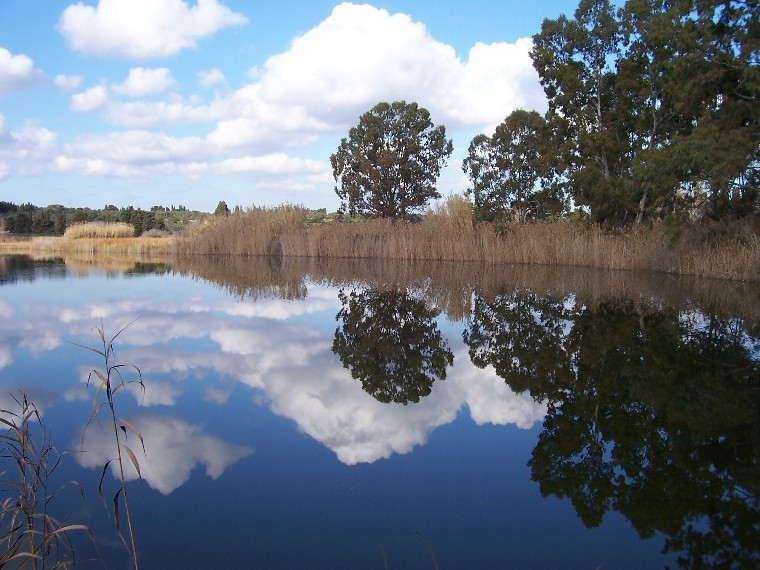
Located in Italy's heel, the Alimini Lakes feel like a different world compared to the northern Alpine lakes.
Alimini Grande is a saltwater lake backed by pine forest and Mediterranean scrub, with sandy stretches leading towards the Adriatic and the well‑known Alimini beach. Alimini Piccolo, with its reed beds and calmer waters, has more of a lagoon and wetland atmosphere, attracting birds rather than big tourist crowds.
Best for: Nature, quieter stretches of sand, birdwatching, canoeing and simple outdoor activities.
How to get there: Most practical with a car from Lecce or Otranto.
Best time to visit: Late spring to early autumn, when beach days, warm evenings and longer daylight make it easier to combine lakes and coast.
Lake Braies/Pragser Wildsee
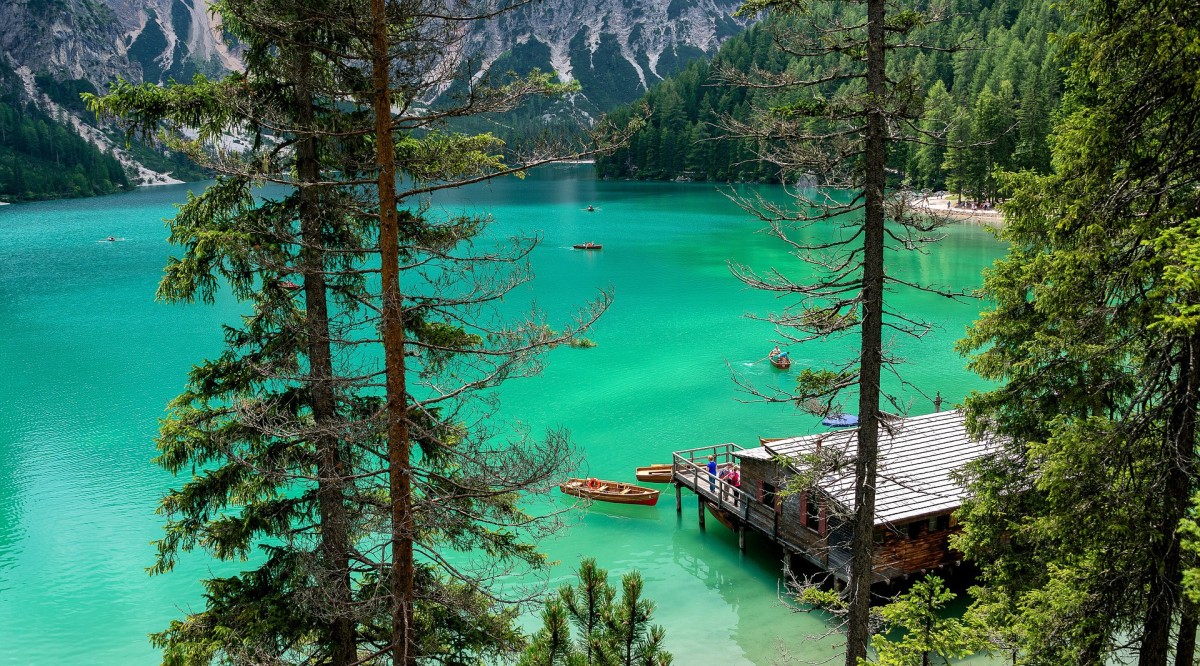
Situated close to the Austrian border, not far from Bolzano, Lake Braies is the Dolomites lake you keep seeing on Instagram. The still green water, little wooden boats and pale cliffs towering above it. Set in the Fanes‑Sennes‑Braies Nature Park, it changes colour with the light, shifting from milky turquoise to deep emerald
A simple path circles the shore, with longer hikes peeling off towards Picco di Vallandro, Malga Foresta and Croda del Becco for anyone who wants proper mountain views. It’s small enough to feel intimate but dramatic enough to stick in your memory for years.
Best for: Dolomites scenery, gentle walks, photography and tacking onto a wider mountain trip.
How to get there: Usually via car or local bus from Dobbiaco, Brunico or nearby towns.
Best time to visit: Late spring to autumn for hiking and boat trips.
Lake Bolsena
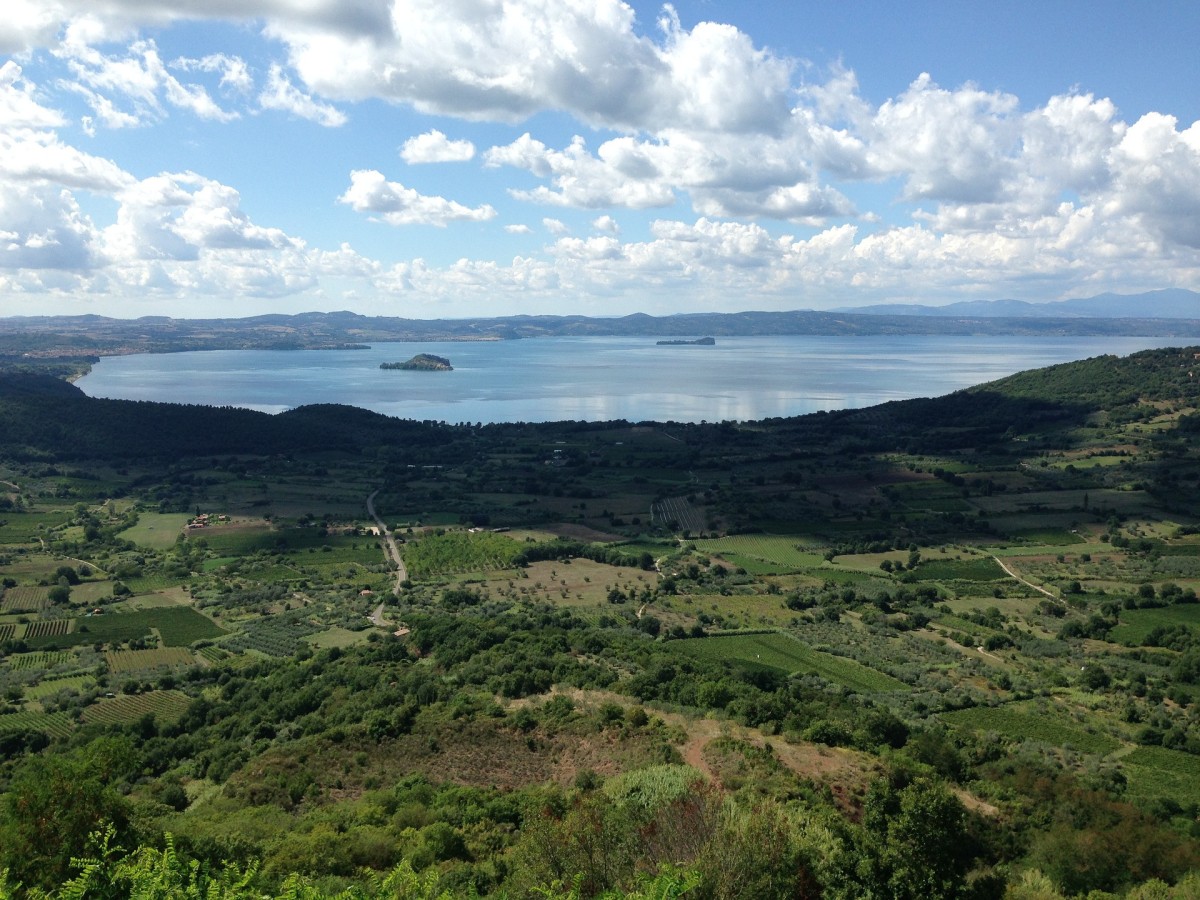
Lake Bolsena, up in northern Lazio just a few hours from Rome, swaps mountains for soft, volcanic hills and black‑sand shores. It’s the largest volcanic lake in Europe and one of the easiest Italian lakes for straightforward swimming, with clean, calm water and shallow areas that suit families.
The atmosphere around the shore is unhurried: lakeside bars, small beaches and simple trattorias rather than big resort complexes. Towns such as Bolsena, Capodimonte, and Marta bring medieval centres, viewpoints over the water and a gentle, everyday rhythm.
Best for: Swimming, quiet lakeside stays, small historic towns and road trips around central Italy.
How to get there: Easiest by car from Rome, Viterbo or Orvieto.
Best time to visit: Late spring to early autumn; high summer for warm water and beach days, shoulder seasons for sightseeing and cooler air.
Which is Italy's prettiest lake?

Several Italian lakes have a serious claim to beauty, but Lake Como is still the one most often used as a shorthand for the classic Italian lake view. Opinions differ, but this Northern lake is often singled out as Italy’s prettiest lake thanks to its steep mountain backdrop, deep blue water and elegant towns.
Lake Garda tends to stand out if you want plenty of cycling routes and watersports, while Lake Maggiore appeals to anyone who likes slower ferry rides between towns and gardens. Lake Braies often ends up on hiking itineraries through the Dolomites, and lakes such as Bolsena or the Alimini Lakes slip more into road‑trip plans.
The best time to visit the Italian lakes
The best time to visit the Italian lakes depends a lot on where you go and what you want to do.
- Spring brings mild temperatures, fresh greenery and thinner crowds, which suits walking, sightseeing and first dips in the water.
- Summer is warmest and liveliest, with swimming, boating and outdoor events in full swing.
- Autumn can be lovely for quieter trips and colourful foliage, especially around vineyards and wooded hills.
- Winter in the north is cooler with a higher chance of snow on nearby peaks and crisper air.
- Shoulder seasons are longer in central and southern spots, with warmer water and milder springs and autumns that stretch the bathing period.
Is Lake Como or Lake Garda better?
Lake Como generally suits travellers who want elegant lakeside towns and a quieter, more grown‑up atmosphere. Lake Garda tends to work better for families, outdoor sports and anyone who likes having lots of bases to choose from.
Lake Como
- Known for steep mountains, deep blue water and refined towns with historic villas, gardens and scenic promenades.
- Best if you’re after a calmer pace with stylish hotels, long lunches, lake cruises and fewer big attractions aimed at children.
Lake Garda
- Italy’s largest lake, with cliffs and windsurfing spots in the north, gentler shores, vineyards and beaches in the south.
- Works well for families and active travellers, with theme parks, bike paths, sailing, hiking and a wide range of accommodation and price points.
Stay inspired for your travels in Italy —get our weekly newsletter for the latest travel, legal, and lifestyle news.