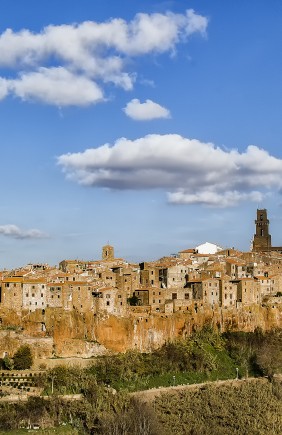
Italy’s northern edge tapers off in a small Alpine settlement at the head of a narrow valley on the Austrian border. Encircled by snow‑capped peaks and thick forest, Italy’s northernmost village feels culturally and geographically distant from Rome or Milan, with Tyrolean customs shaping everyday life.
Italy’s northernmost town earned its title
Predoi’s development has always been shaped by its high‑altitude setting, now part of the Vedrette di Ries‑Aurina Nature Park. Although the valley has prehistoric roots, the village gained real significance in the late Middle Ages thanks to its copper mines, which operated until the end of the 19th century.
When extraction declined, residents turned to lace‑making and other handicrafts to sustain the local economy. Today, the area draws a steady stream of summer visitors interested in its industrial past and mountain setting.
What makes Predoi different from the rest of Italy

- Daily life unfolds largely in German, reflecting South Tyrol’s bilingual identity and long Austrian ties.
- Buildings follow an unmistakably Alpine style, with timber balconies and steeply pitched roofs designed for heavy snowfall.
- Menus lean towards dumplings, speck and apple strudel, rather than seafood pasta or southern Italian staples.
Where is Predoi and how remote is it?

Predoi lies at the very top of the Ahrntal valley, with no road continuing beyond it. Brunico (Bruneck) is the nearest substantial town, around an hour away by car.
Bolzano, the provincial capital known for its high quality of life, is roughly two hours south in good conditions. Many residents feel just as connected to Innsbruck as to Italian urban centres, reflecting the area’s cross‑border outlook.
Visiting Italy’s northern tip: what to expect
Time here revolves around fresh air, open ridgelines and a pace set by the seasons. Forest paths, mountain streams and wide alpine pastures give the area a distinctly untamed feel.
Mining heritage and the climate tunnel
- The former St. Ignaz copper mine remains central to the village’s identity. Sections of the tunnels now form part of a mining museum
- The naturally cool, low‑dust environment is used in a dedicated climate gallery for respiratory therapy.
Hiking, skiing and high‑altitude living
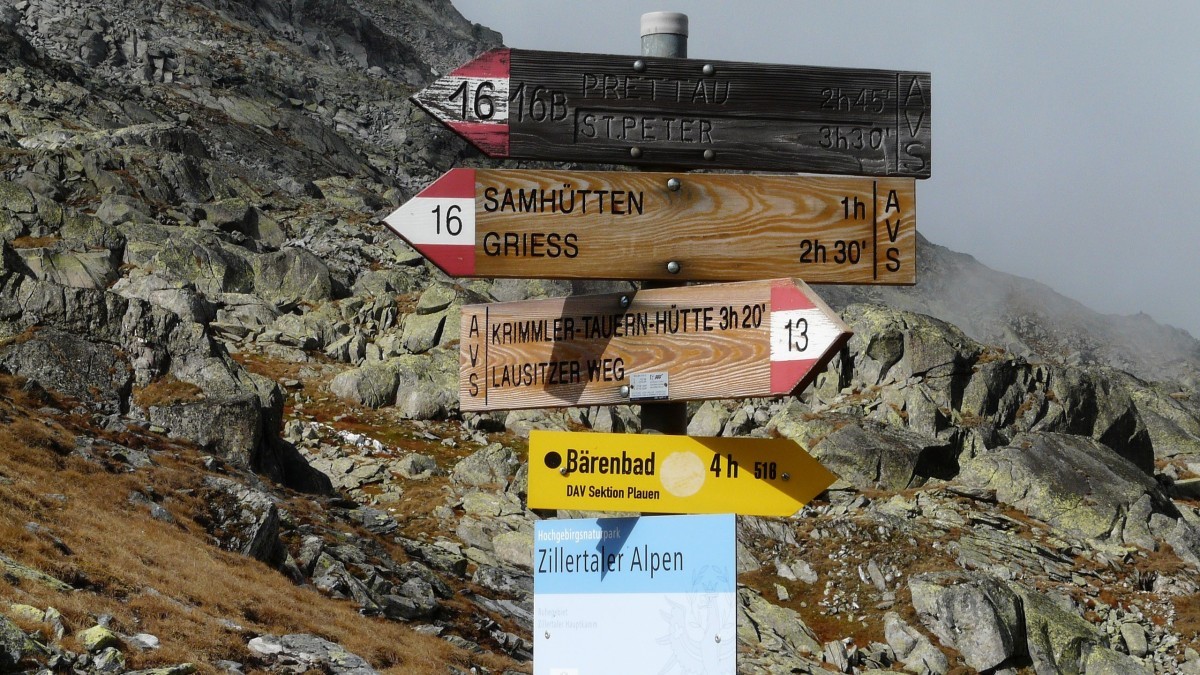
Warmer months bring walkers onto marked trails leading across meadows and towards glacier viewpoints.
In winter, the focus shifts to cross‑country skiing and smaller, local ski areas that prioritise community access over large‑scale resort infrastructure.
Living here: beyond the novelty factor

The idea of living in Italy’s northernmost town sounds romantic. In practice, it’s a serious lifestyle choice. The population is tiny. Services are limited. For work, many residents commute down the valley. German is the main language of daily life, so integration means engaging with that reality.
Stay inspired for your travels in Italy —get our weekly newsletter for the latest travel, legal, and lifestyle news.