Italian New Year’s Eve traditions hum along the edges of winter nights, a mix of old superstitions and quiet rituals that slip into the evening without fuss. The New Year celebration, or Capodanno, isn’t a single countdown so much as a slow reveal, with subtle hints in what people wear, what’s shared at the table and how the streets change mood at midnight.
Italian New Year’s Eve traditions
If you want the essence, Italians lean into small rituals that nod to luck, love and wealth, mixed with a generous spread of seasonal food. Families eat late, linger at the table, then drift to local squares for the revelry.

Wearing red underwear on New Year’s Eve
Red is seen as protective and a beacon of love, so new red underwear gifted and worn at Capodanno is meant to bring good fortune in the year ahead. Older versions say it should be received as a present and then tossed afterwards.
The midnight feast and family game time
The cenone is a lingering, multi-course dinner on 31st December that starts late and paces gently through seafood starters, pastas or risotti, and the classic lentils with sausage. After dessert, lots of households pull out tombola, the Neapolitan bingo-style game with cheeky number nicknames, and swap tiny gifts or chocolates as the clock creeps towards midnight.
Out with the old
You’ll hear stories of people once tossing old crockery from balconies, especially in parts of the South, to symbolically shed bad luck. It’s largely faded in cities for obvious safety reasons, but the spirit remains in gentler rituals, like clearing clutter before the new year, opening doors and windows at midnight, or saving your first coin of January as a small talisman.
Fireworks and public concerts
After the family bit, the party spills outside for i botti e concerti, fireworks and concerts, in the piazza. Many towns stage a concert in the main square, among some of Italy's most beautiful Christmas lights, and the countdown is loud, affectionate and full of sparkle.
Useful phrases for Capodanno
Hosts appreciate a thoughtful present, and a few polite sayings like “Buon anno” or “Auguri di buon anno” help you blend in. Bring a good bottle of Italian spumante or Franciacorta, and for something sweet, pick up an artisan torrone or a small panettone from an Italian Christmas market.
What Italians eat and drink at New Year for good luck
Festive food is the cornerstone of the night, and much of it carries symbolism. These dishes sit alongside festive Italian staples, so the table feels familiar but charged with new-year meaning.
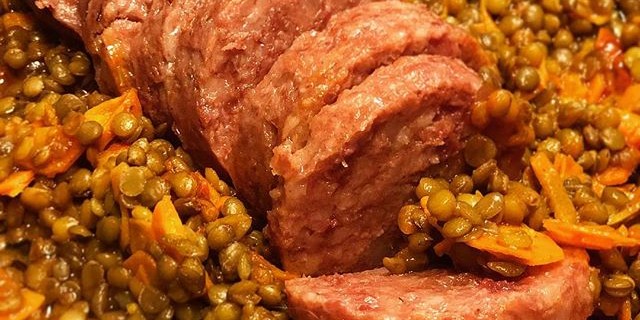
Lenticchie e cotechino (or zampone): prosperity on the plate
Lentils are the big one. Their coin-like shape makes them a living symbol of wealth, so a bowl at midnight is non-negotiable in many homes. They’re traditionally paired with cotechino, a rich, slow-cooked pork sausage, or zampone, stuffed pig’s trotter.
Grapes and pomegranate: twelve months of fortune
Across Campania, people eat twelve grapes as the clock chimes, one for each month to come, aiming to finish by the last stroke. The pomegranate, symbolising fertility and the promise of plenty, turns up as jewel-like seeds sprinkled over salads or served neat in small bowls.
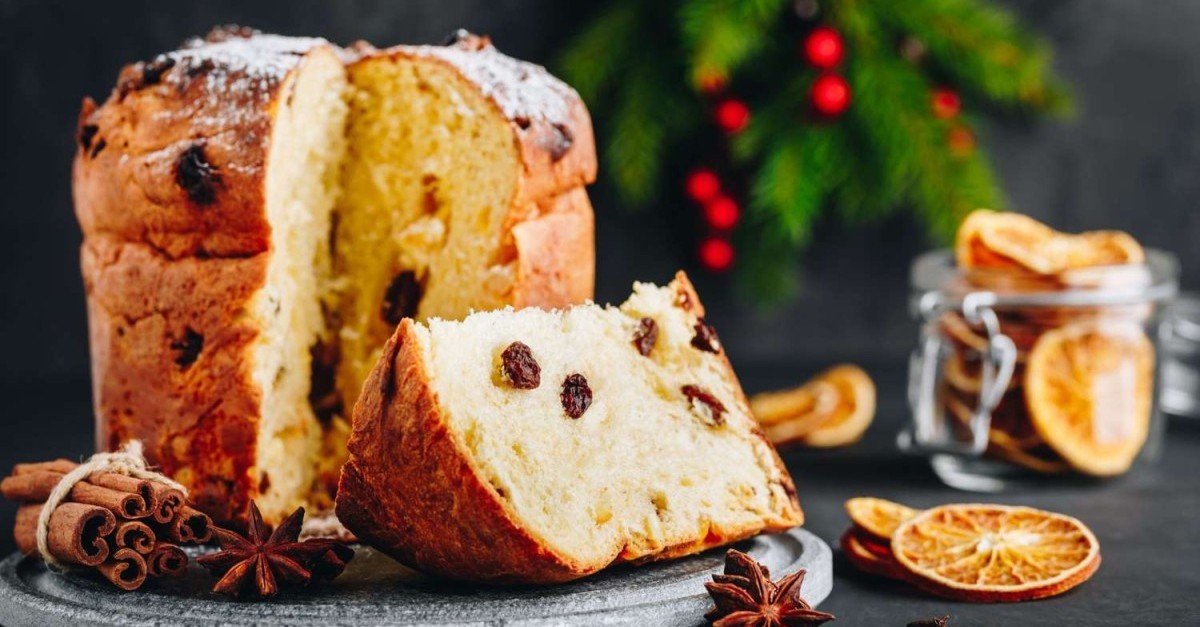
Sweet course: panettone, pandoro and festive desserts
Panettone, studded with candied peel and raisins, shares the stage with golden pandoro dusted in icing sugar, often served with a soft mascarpone crema or rich chocolate sauce. Lesser-known Italian regional favourites stick their heads in too, like torrone, struffoli in Naples, and panforte in Tuscany.
What Italians drink on New Year’s Eve
The midnight brindisi is nearly always sparkling. Expect crisp spumante, easy-drinking Prosecco, or Franciacorta sparkling wine poured as the countdown ends. After dinner, many switch to sweet Italian dessert wines and liquers like Amaro Lucano, Averna or limoncello.
Regional New Year traditions across Italy
Capodanno feels different in each corner of the country, though the family-first backbone remains everywhere.
Naples and Campania
Naples is the heartbeat of tombola and the most vocal champion of the twelve-grape tradition. The city’s love of fireworks runs strong, with sweeping views over the bay turning the sky into a rolling light show, while neighbourhood games and singing carry a homely warmth.
Sicily
Near the coast, Sicilian New Year's Eve dinner leans towards seafood antipasti and Southern pasta dishes with clams or swordfish, followed by lentils and sausage to seal the luck. You might catch small bonfires or folk events in certain towns, and plenty of quiet courtyards where families play cards and eat late.
Emilia-Romagna and Lombardy
In Modena and surrounding Emilia-Romagna, zampone is a point of pride, slow-cooked and served with braised lentils or creamy mash. Up in Lombardy, you’ll find sparkling Franciacorta in more glasses at midnight, with piazza concerts in larger cities and cosy bistro dinners in smaller towns.
Rome and Lazio
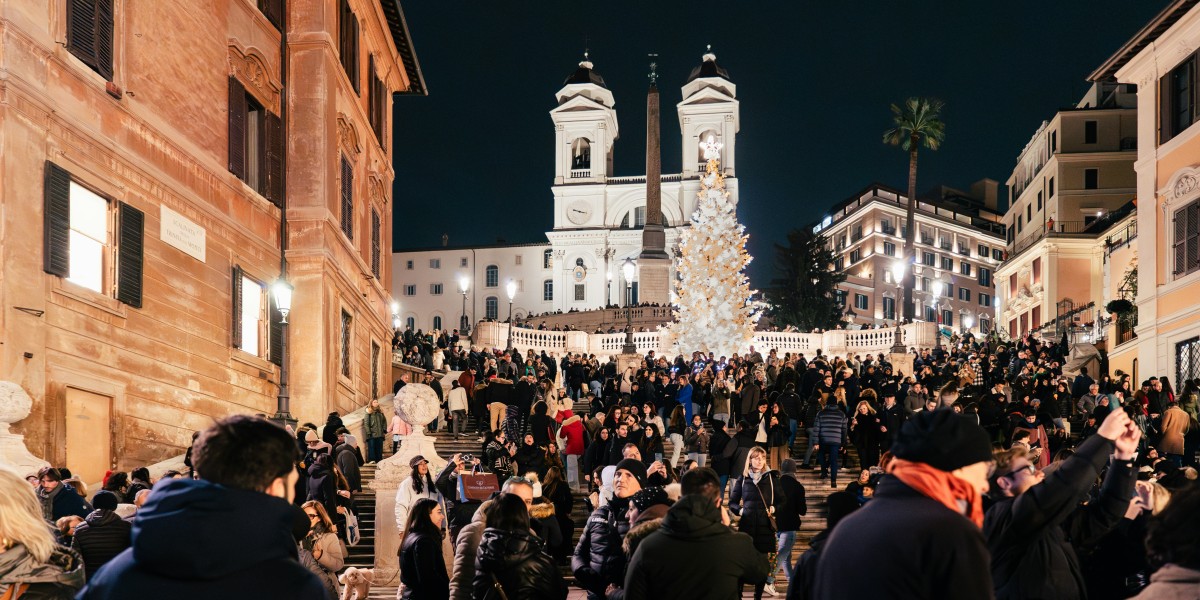
Rome marks the night with a large concert in iconic settings and a gentle flow across bridges and piazzas. The evening pairs well with a wander under the city's epic Christmas lights.
Northern bonfires and the Tuscan ceppo
Older winter customs linger in parts of the North and Tuscany, where the ceppo, a yule-log-style tradition, and Epiphany bonfires echo the season’s pivot toward light.
Visiting Italy around Christmas and Capodanno
New Year’s slots into a broader festive bracket that shapes travel, dining and shopping plans. The run-up often starts on 8th December, a national holiday that kicks off decorations and markets. The close to the festive season lands on 6th January with the Feast of Epiphany, also known as La Befana.
City calendars fill with markets, nativity trails and open-air shows through December, with late-night revelry in bigger centres and a gentler pace in small towns. Explore other festive Italian traditions, check out what's happening in the country over December, and weigh up where to spend Christmas in Italy.
Stay inspired for your travels in Italy —get our weekly newsletter for the latest travel, legal, and lifestyle news.