Looking back at 2025, Italy’s prime real estate market showed remarkable resilience and growth, particularly in Central Italy. Residential property transactions surged, while segments such as hospitality and second homes continued to attract strong international interest. But what exactly drove the appeal of Central Italy’s luxury market last year? Foreign demand, limited supply of high-quality properties, and the allure of second homes all played a central role in shaping a year of thriving activity.
2025: a year of growth and opportunity
Throughout 2025, the Italian property market displayed clear signs of recovery. Data from the Real Estate Market Observatory (OMI) and analyses by Nomisma confirmed a positive trend, with a strong close to the year. Nomisma reported that residential sales increased by 5.5% compared to 2024, reflecting sustained interest in quality homes across the country.
Luxury segments such as hospitality and second homes saw price growth of around 1–2% nationally, driven by high demand and limited supply. Renovated, energy-efficient properties in sought-after locations—where short-term rentals offer returns of 6–10%—were particularly in demand.
Central Italy’s prime market demonstrated its resilience, responding to buyers seeking both an exceptional lifestyle and a smart investment. Second homes are no longer “dormant” assets; they are increasingly leveraged as short-term rental properties, combining leisure with revenue potential.
Luxury property hotspots: Tuscany and Umbria
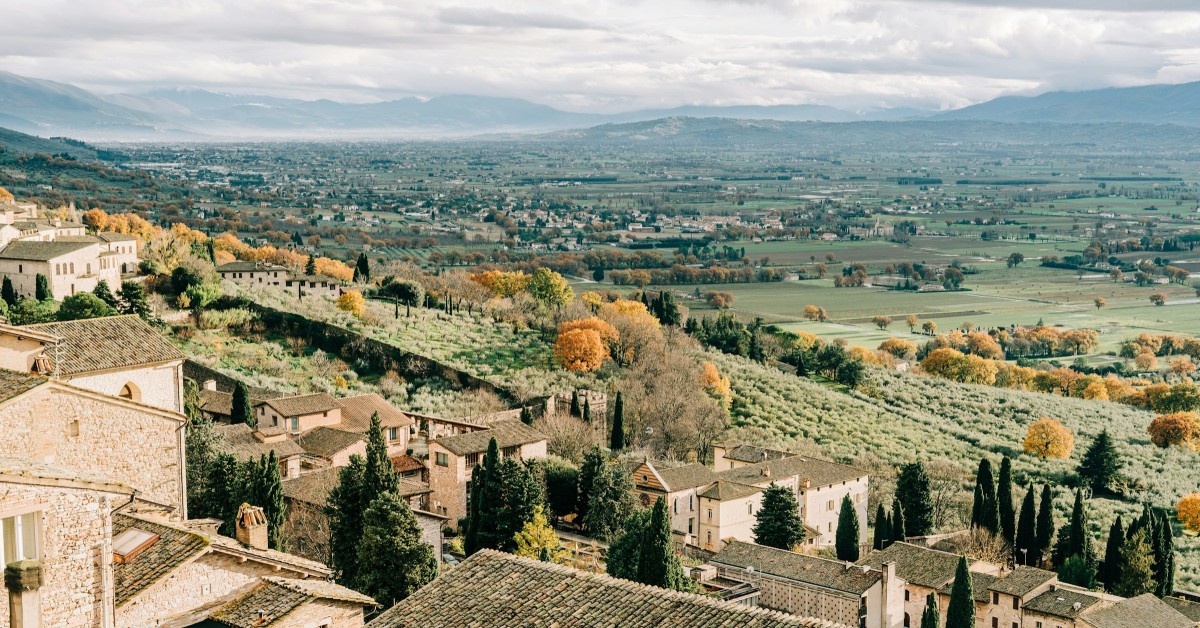
In 2025, the GE Group managed 219 clients, completing 127 successful transactions. Great Estate strengthened its leadership in Umbria, specialising in luxury villas, farmhouses, and apartments in historic centres.
Of these clients, 62% purchased in Umbria, 35% in Tuscany, and 3% in Lazio. In Umbria, Perugia accounted for 67% of sales and Terni 33%, showing both deep market presence and growing performance.
In Tuscany, 42% of transactions were in Siena, 33% in Arezzo, 11% in Grosseto, and the remaining 14% spread across Florence, Livorno, and Pisa.
Who bought luxury homes in 2025
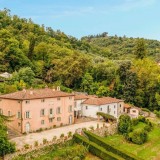
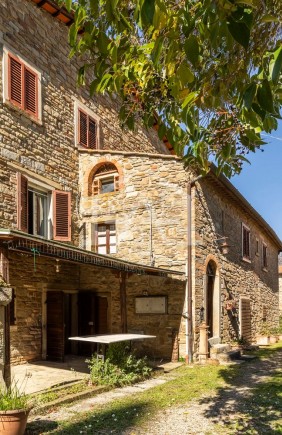
In Umbria, 75% of sales involved countryside properties such as Casales, Villas, or portions of Casales; the remaining 25% were historic centre residences. Tuscany displayed similar buyer preferences.
Average sale values were around €500,000 in Umbria and €800,000 in Tuscany. Many of these properties were second homes, often rented out through Great Stays, a specialist in luxury holiday rentals. These are primarily spacious villas and farmhouses, blending modern comforts with local architectural charm, all set against the stunning landscapes of Umbria and Tuscany.
International buyers dominated the market, accounting for 70% of transactions (40% from Northern Europe, 20% from the USA/UK, 10% from Israel), while Italian clients made up the remaining 30%. Most buyers were aged 40–60 (56%), followed by 60–72 (30%).
A market that marries lifestyle and investment
2025 confirmed Central Italy’s prime real estate as a thriving market, appealing to buyers seeking luxury, lifestyle, and potential income. Whether for holidays, relocation, or investment, Umbria and Tuscany remain top destinations for those looking to combine beauty, comfort, and value.