Italy offers some of the most generous renovation incentives in Europe, designed to stimulate construction activity, improve building efficiency, and reduce energy consumption. Whether you’re a homeowner, investor, or property developer, understanding these building and energy renovation bonuses can unlock significant savings.
In this guide, we break down the key bonuses available in Italy in 2026, including eligibility, benefits, and how to apply, helping you make smart decisions and maximise your returns.
What are building and energy renovation bonuses?
Building and energy renovation bonuses are government tax incentives offered by the Italian state to encourage renovation work, seismic upgrading, and energy efficiency improvements. These bonuses reduce the effective cost of construction and retrofit projects by allowing beneficiaries to deduct a portion of expenses from their taxes over several years.
These incentive schemes were expanded over recent budgets and remain a cornerstone of Italy’s strategy to modernise its ageing building stock.
Why Italy’s renovation bonuses matter in 2026
Italy’s building sector faces dual challenges:
- Old buildings with poor energy performance, leading to high heating and cooling costs.
- A pressing need to reduce carbon emissions and reach European climate targets.
To address these issues, the government has introduced multi-year bonuses that make renovation financially attractive, even for properties requiring significant work.
By reducing upfront costs and offering tax deductions, these bonuses are designed to:
- Increase property values
- Cut energy bills
- Improve living comfort
- Reduce environmental impact
Key renovation incentives for 2026
Superbonus 110% - Phasing Out
The Superbonus 110% was Italy’s most generous renovation incentive, allowing homeowners to deduct 110 % of eligible expenses through tax credits over five years. It applied to interventions like:
- Roof insulation
- Heating system upgrades
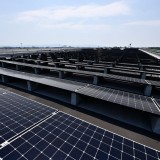
- Solar panel installation
- Seismic strengthening
However, eligibility has been restricted in 2025–2026 with tighter requirements, especially for larger properties. Many homeowners are now planning to complete eligible work before future cut-offs.
Even if access to the full 110 % deduction is no longer available for many, transitional measures still exist for specific cases such as condominiums and social housing.
Ecobonus - Energy Efficiency Incentive
The Ecobonus covers a wide range of energy-saving works and remains one of the most attractive options for homeowners and landlords. Key benefits include:
- Up to 65 % tax deductions on energy-saving improvements
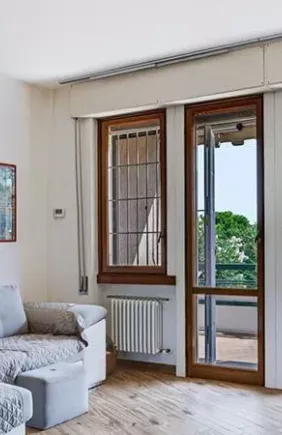
- Eligible works include insulation, heat pumps, new windows, and high-efficiency heating systems
- Applicable to both primary residences and investment properties
Ecobonus deductions are spread over 10 annual instalments and can be transferred to third parties, such as banks or suppliers, through credito di imposta transfers or invoice discounts.
Sismabonus - Seismic Retrofitting Deduction
Italy is prone to earthquakes, and the Sismabonus incentivises structural strengthening of buildings in seismic zones. It offers:
- Deductions up to 85 % of eligible costs
- Additional percentages for combined seismic + energy upgrades
This bonus applies to residential and non-residential properties, and can significantly improve both safety and market value.
Bonus Facciate - Facade Renovation
The Bonus Facciate encourages the restoration of building exteriors and facades in urban and historic areas. It provides:
- Up to 60 % tax deduction
- Applicable to cleaning, painting, and decorative renovation
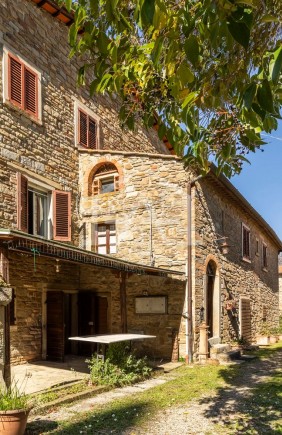
This bonus is particularly popular in Italy’s historic cities, where facade improvements both preserve heritage and enhance curb appeal.
Who can claim these bonuses?
Eligible beneficiaries typically include:
- Private homeowners
- Co-owners of condominiums
- Landlords and rental property owners
- Businesses with commercial buildings
- Non-profit organisations
Each bonus has specific technical and documentation requirements. For example:
- Energy performance certificates (APE)
- Qualified invoices
- Building permits (when required)
How to claim renovation bonuses in Italy
To successfully access these incentives, follow these steps:
1. Check eligibility
Confirm whether your property qualifies — consider location, building type, and planned works.
2. Get technical support
Work with a qualified architect or engineer to prepare technical reports and energy certificates.
3. Submit permits
Obtain any necessary building permits or notifications (SCIA, CILA, PDC).
4. Pay with traceable methods
Payments must be made via bank transfer (bonifico parlante) clearly indicating project and tax data.
5. File tax returns
Declare the deductions in your annual tax returns for the relevant years.
6. Consider credit transfers
Instead of waiting for instalments, you can often transfer your tax credit to banks or contractors.
Pros and cons of renovation bonuses
| Pros | Cons |
|---|---|
| Large tax deductions reduce project cost | Complex documentation and compliance rules |
| Improves energy performance and property value | Benefits spread over multiple years |
| Can be transferred or sold | Some bonuses have strict deadlines |
| Encourages sustainable living | Rules may change with future budgets |
Future outlook: incentives beyond 2026
Italian renovation bonuses continue to evolve. Budget reforms and EU climate targets are likely to reshape the landscape, with:
- Potential extension of remaining incentives
- More focus on deep energy retrofit
- Enhanced support for renewable integration
Staying informed and planning ahead can help you maximise available benefits.
Italy’s building and energy renovation bonuses are powerful tools for anyone looking to modernise property, cut costs, and increase efficiency. From Ecobonus to Sismabonus, each incentive offers unique advantages — but careful planning and professional support are essential.
If you’re considering renovation work in Italy, now is the time to explore these bonuses, assess eligibility, and start your project with confidence.