The Aeolian Islands sit off the northern coast of Sicily, scattered across the Tyrrhenian Sea like a chain of volcanic stepping stones. Each island has its own personality, which is why people either stay put on one or slowly hop between a couple.
Where Are the Aeolian Islands in Italy
The Aeolian Islands are north of Sicily, roughly between Milazzo and the open Tyrrhenian Sea. They’re close enough to the mainland to reach in a morning, but far enough to feel properly detached once you arrive. Most ferries and hydrofoils leave from Milazzo, with a few longer routes from Palermo and Messina.
The Aeolian Archipelago explained
This volcanic archipelago is made up of seven inhabited islands, all shaped by eruptions that never fully stopped. The area is protected as a UNESCO World Heritage Site, largely because of its geological importance. It's undoubtedly one of Sicily's top UNESCO sites.
Volcanoes aren’t just scenery here, they influence daily life, hiking routes and even where people build. The local names Isole Eolie or Eolie Islands are used just as often as Aeolian Islands.
The Seven Aeolian Islands
The seven islands share a ferry network but feel wildly different once you step ashore. Some are busy and practical, others feel cut off and quiet, especially outside of summer.
Lipari
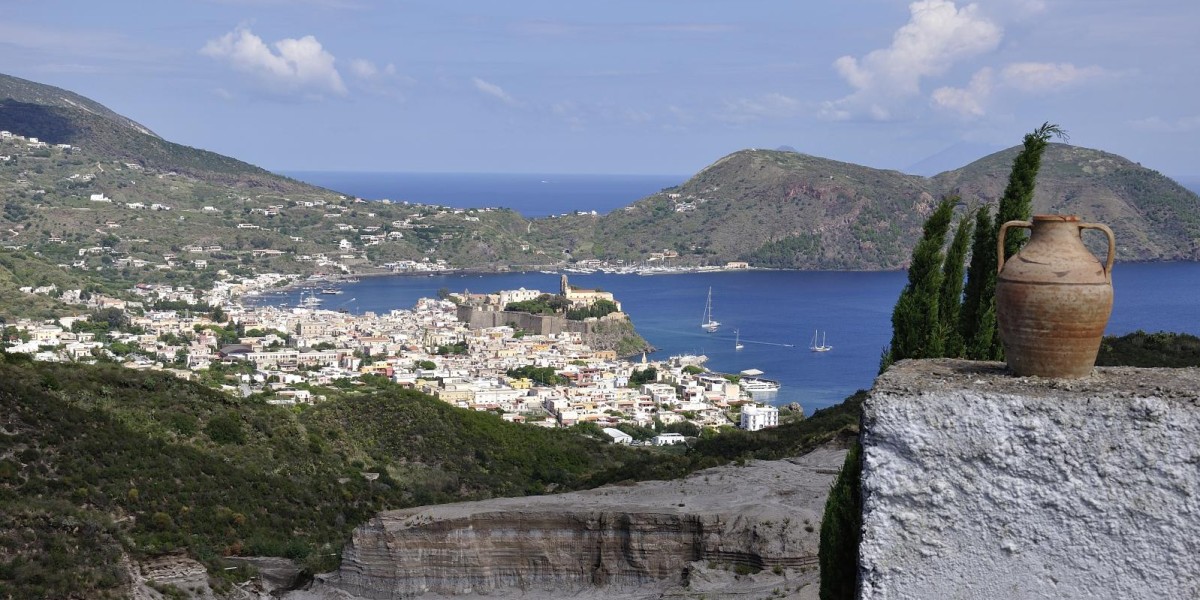
Lipari is the largest island and the one most people pass through. It has proper supermarkets, late‑opening bars and year‑round ferry connections, which make daily life easier.
The old town is lively without being overwhelming, especially in the evenings when locals reclaim the streets. It’s also where longer stays make the most logistical sense.
Not to miss: evening passeggiata around the historic centre and its role as the most practical base.
Vulcano
Vulcano is the first island many people see, with its bare slopes and steaming fumaroles. The main draw is the crater walk, which is short but exposed and weather sensitive. It works well as a half‑day or day trip rather than a long stay. Some visitors struggle with the sulphur smell when conditions shift.
Not to miss: crater views across the archipelago on a clear day.
Salina
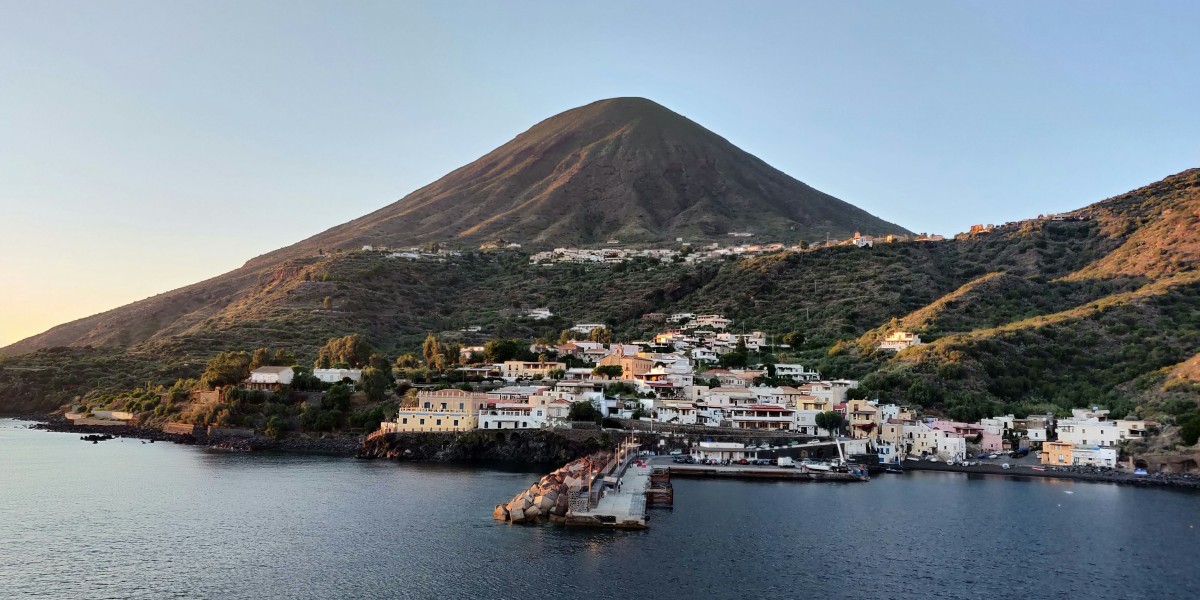
Salina feels softer and greener than the rest, with vineyards, caper fields and quieter villages. It attracts people who’ve already done Lipari once and want something calmer the second time around.
Food matters more here, from long lunches to local Malvasia wine. Nights are low-key and early, especially outside of August.
Not to miss: village life in Malfa or Lingua and the slower rhythm of the island.
Panarea
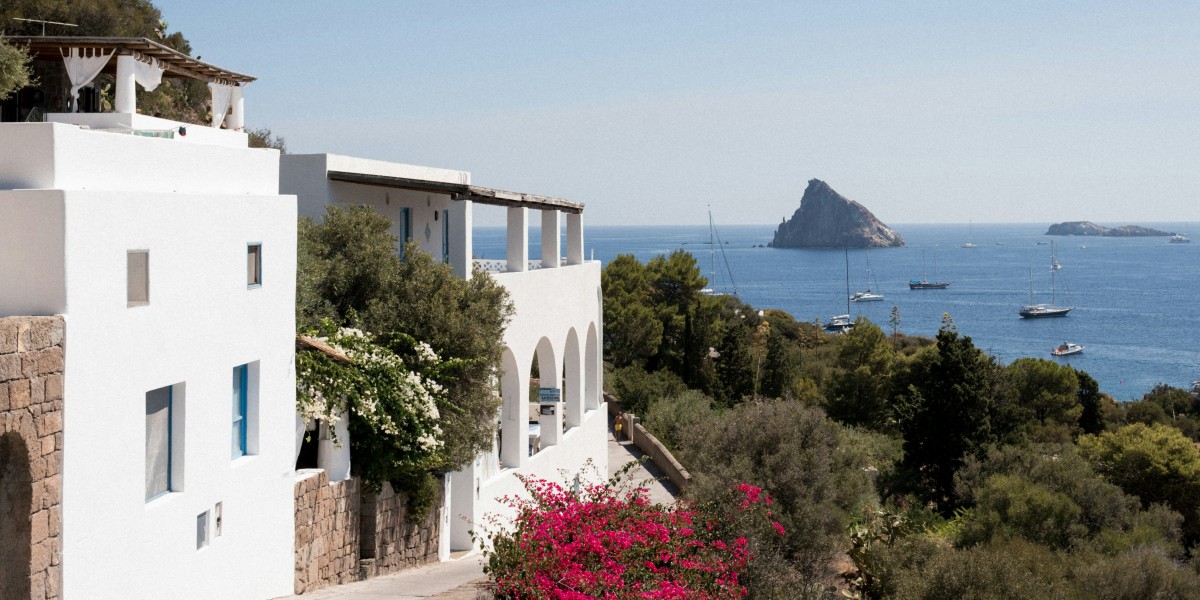
Panarea is small, polished and noticeably more expensive. It fills up quickly in summer with yacht traffic and short-stay visitors. There’s little to do beyond swimming, eating well and enjoying the scenery. Outside peak season, it quietens dramatically.
Not to miss: coastal views and its compact, walkable size.
Stromboli
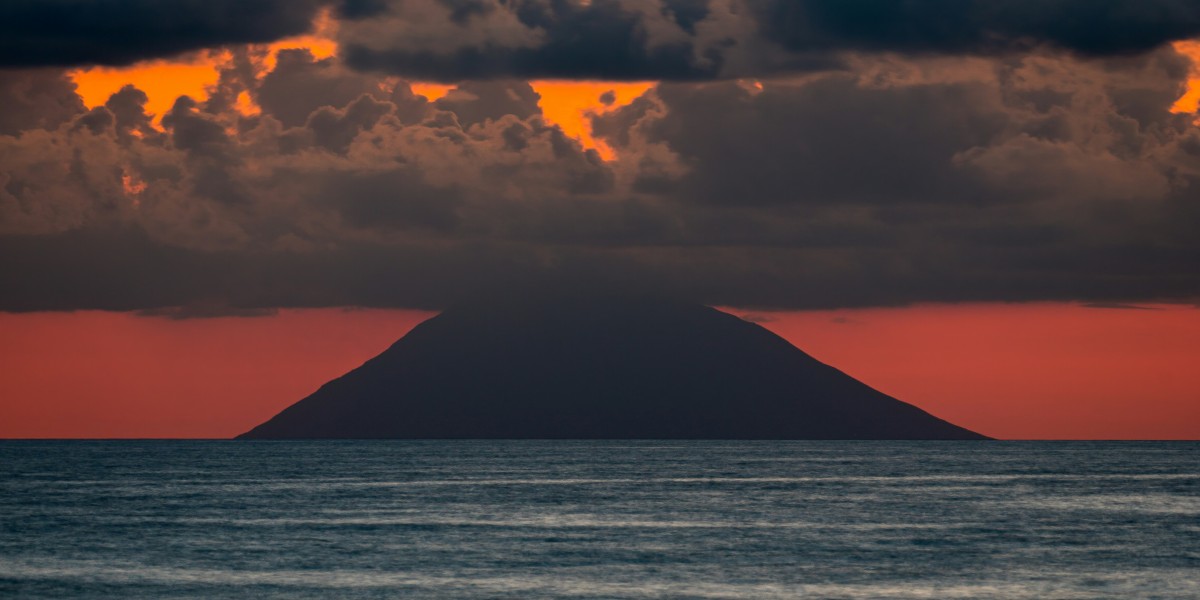
Stromboli is dominated by its active volcano, which rumbles and glows after dark on clear nights. Life here feels shaped by nature more than schedules, with fewer services and limited accommodation. Guided hikes are tightly regulated and weather-dependent. Staying overnight gives you a very different experience from a quick stop.
Not to miss: watching eruptions from a safe distance after sunset.
Filicudi and Alicudi
Two of Italy's lesser-known islands, Filicudi and Alicudi sit at the far edge of the archipelago and feel it. Services are limited, ferries are less frequent, and evenings are silent once the sun goes down. Alicudi, especially, has no roads in the usual sense, just steep paths. These islands suit people happy with simplicity and a bit of physical effort.
Not to miss: raw landscapes and complete disconnection.
Are the Aeolian Islands worth visiting?
The Aeolian Islands suit travellers who value atmosphere over ticking sights off a list. They’re not cheap, especially in summer, and plans often shift with the weather.
If you’re expecting sandy beaches, nightlife every night or fast travel, frustration sets in quickly. If you’re comfortable slowing down, they tend to get under your skin.
How to get to the Aeolian Islands
Most people reach the islands via Milazzo, which has the most frequent ferry and hydrofoil connections. Palermo and Messina routes exist but are slower or seasonal. Sea conditions matter more than timetables, and cancellations aren’t unusual. Early morning departures are generally calmer.
Getting around the Aeolian Islands
Inter‑island ferries make hopping around possible, but not always easy on tight schedules. On land, buses and scooters cover most needs, especially on Lipari and Salina. Walking is often the default in smaller villages.
Best time to visit the Aeolian Islands
- Late spring and early autumn offer the best balance of weather, sea conditions and sanity.
- July and August bring crowds, heat and inflated prices, especially on Lipari and Panarea.
- By October, many places wind down quickly. Winter is quiet and beautiful, but transport becomes irregular.
Where to stay in the Aeolian Islands
Choosing one base simplifies everything, especially if you’re short on time. Lipari works best for connectivity, while Salina suits slower stays. Smaller islands are better for short visits unless you’re happy with limited services.
Stay inspired for your travels in Italy —get our weekly newsletter for the latest travel, legal, and lifestyle news.
For a taste of the high life, sign up for the monthly luxury market round-up.