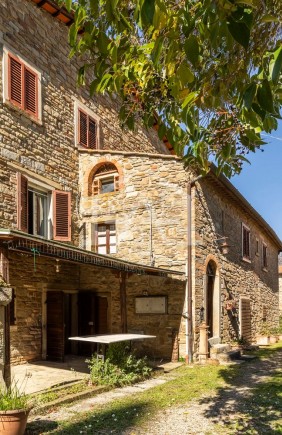
For many Britons, retiring to Italy from the UK after Brexit is an appealing idea, offering culture, cuisine, strong communities and a climate well suited to later life. From historic hill towns and countryside villages to coastal areas and lively cities, Italy provides a wide choice of lifestyles for UK retirees.
However, since Brexit, the process of moving to Italy as a British citizen has changed significantly. UK nationals no longer benefit from EU freedom of movement, meaning visas, residency rules, healthcare access and taxation must now be planned carefully.
This guide explains everything UK citizens need to know about retiring in Italy, including visa options, healthcare, cost of living, where to live and the practical challenges involved.
- Can UK citizens retire in Italy after Brexit?
- The Elective Residence Visa for UK retirees
- What happens after you arrive in Italy?
- Healthcare in Italy for UK Retirees
- Cost of living in Italy for retired Britons
- Tax considerations for UK retirees in Italy
- Best places in Italy for UK retirees
- Language and integration in Italy
- Challenges of retiring to Italy
- Is retiring to Italy from the UK worth it?
- Frequently Asked Questions about retiring to Italy from the UK
- Final thoughts
Can UK citizens retire in Italy after Brexit?
Yes, UK citizens can retire to Italy, but they must apply for the correct visa and meet Italy’s non-EU immigration requirements. British nationals are now treated as third-country residents, meaning long-term stays require formal permission.
There is no specific “retirement visa” in Italy. Instead, most UK retirees move using the Elective Residence Visa, which is designed for financially independent people who do not intend to work in Italy.
This route suits pensioners and early retirees who can support themselves through pensions, investments, rental income or savings rather than employment.

The Elective Residence Visa for UK retirees
The Elective Residence Visa (ERV) is the main option for British citizens retiring to Italy. It allows long-term residence for those who can demonstrate stable and sufficient passive income.
Income requirements
Applicants must show regular, reliable income from sources such as:
- UK state or private pensions
- Investments and dividends
- Rental income
- Long-term savings
Employment income is not allowed under this visa. While Italy does not publish an official minimum, applicants are generally expected to demonstrate a comfortable income that clearly covers living costs in Italy.
Accommodation and insurance
You must also provide:
- Proof of long-term accommodation in Italy (rental contract or property ownership)
- Comprehensive private health insurance covering Italy
- A clean criminal record
Applications are made through the Italian consulate in the UK. Processing times vary, so preparing documents well in advance is essential.
What happens after you arrive in Italy?
Once in Italy, UK retirees must apply for a permesso di soggiorno (residence permit) within eight days of arrival. This is followed by registration with the local Comune (municipality).
Registering residency allows you to:
- Access local services
- Register for healthcare
- Open Italian bank accounts
- Manage tax obligations
Residence permits are usually issued for one year initially and are renewable as long as the original visa conditions continue to be met.
After five years of continuous legal residence, retirees may apply for long-term EU residence status, offering greater stability.
Healthcare in Italy for UK Retirees
Healthcare is one of the most important considerations when retiring to Italy from the UK. Under the Elective Residence Visa, retirees must take out private health insurance that provides full coverage in Italy.
Since Brexit, UK citizens can no longer rely on automatic reciprocal healthcare arrangements for permanent residence. Some retirees later choose to register with the Italian public healthcare system (SSN) by paying voluntary contributions, although eligibility and cost depend on personal circumstances and regional rules.
Italy’s healthcare system is widely regarded as high quality. Many retirees combine public access with private insurance to benefit from shorter waiting times and access to English-speaking specialists in larger cities.
Cost of living in Italy for retired Britons
The cost of living in Italy for retirees varies significantly depending on location. Northern cities and popular tourist areas tend to be more expensive, particularly for housing.
Smaller towns, inland regions and parts of southern Italy offer much lower living costs, making them attractive to budget-conscious retirees.
Typical expenses include:
- Rent or property maintenance
- Utilities and council taxes
- Food and local transport
- Healthcare and insurance
- Travel back to the UK
Everyday items such as groceries and public transport are often cheaper than in the UK, especially when shopping locally. However, Italy is not cheap everywhere, so realistic budgeting is essential before making the move.
Tax considerations for UK retirees in Italy
Tax is a major factor when retiring in Italy as a British citizen. Once you become tax resident in Italy (usually after spending more than 183 days per year there), you are taxed on worldwide income.
Italy and the UK have a double taxation treaty, which prevents the same income from being taxed twice. In most cases:
- UK private pensions are taxed in Italy
- State pensions are also usually taxed in Italy
- Government service pensions may remain taxable in the UK
Some regions in southern Italy offer a 7% flat tax scheme for retirees who move to qualifying towns, which can significantly reduce tax on foreign income for the first ten years.
Because taxation can be complex, professional advice is strongly recommended before relocating.
Best places in Italy for UK retirees
UK retirees are spread across Italy, but certain regions are particularly popular.
- Tuscany and Umbria attract those seeking countryside living, culture and established expat communities.
- Liguria and the Adriatic coast appeal to retirees who prefer seaside towns with good infrastructure.
- Puglia, Calabria and Sicily offer lower property prices and access to tax incentives, though bureaucracy can be slower and English services less common.
Many retirees choose to rent first before buying property, allowing time to understand local services, healthcare access and transport links.

Language and integration in Italy
While it is possible to manage with limited Italian in some expat-heavy areas, learning the language greatly improves daily life. Medical appointments, administration and social activities become far easier with even basic Italian skills.
Retirees who engage with local life rather than remaining only within expat circles often integrate more smoothly. Italy’s strong community culture rewards those who participate and build local relationships.
Challenges of retiring to Italy
Retiring abroad involves adapting to a different administrative system. Italian bureaucracy can feel slow, paperwork-heavy and occasionally frustrating. Patience is essential.
Long-term planning is also important. Residency renewals, healthcare arrangements and tax compliance require ongoing attention. Retiring to Italy is not a one-off decision but a long-term lifestyle choice that benefits from regular review.
Is retiring to Italy from the UK worth it?
For many UK retirees, Italy offers an excellent quality of life. Culture, food, healthcare access and community values contribute to a lifestyle that many find rewarding.
However, Italy may not suit everyone. Those who value speed, fully digital services or widespread English-language support may need time to adjust. Success depends on preparation, realistic expectations and a willingness to adapt to a different system.
Frequently Asked Questions about retiring to Italy from the UK
Can I work in Italy on a retirement visa?
No. The Elective Residence Visa does not allow employment in Italy. Applicants must rely on passive income such as pensions or investments.
How much income do I need to retire to Italy?
There is no official figure, but applicants should demonstrate enough regular income to comfortably cover housing, healthcare and living costs in Italy without working.
Can I use the NHS in Italy?
No. UK retirees must take out private health insurance and may later register for Italy’s public healthcare system by paying contributions, depending on eligibility.
Do I pay UK tax if I retire in Italy?
Once you become tax resident in Italy, most income is taxed there under the UK-Italy double taxation treaty, although some government pensions remain taxable in the UK.
Is Italy good for British pensioners?
Yes, many British pensioners enjoy Italy’s lifestyle, healthcare and community culture, but success depends on planning, budgeting and integration.
Final thoughts
Retiring to Italy from the UK is entirely possible, but it requires careful preparation in the post-Brexit landscape. Understanding visa requirements, healthcare access, taxation and living costs is essential before relocating.
With the right planning, Italy offers UK retirees not just a place to live, but a rewarding and sustainable way of life in later years.