Today, only the Great Pyramid of Giza survives of the Seven Wonders of the Ancient World. The rest exist in fragments and legend. Condé Nast Traveller revisits the idea, selecting Seven Wonders of the World for 2026 that travellers can actually experience.
This time, a historic town in southern Italy appears alongside , all chosen for their ability to inspire that same sense of awe in a modern setting.
What are the 7 Wonders of the World 2026 according to Condé Nast Traveller?
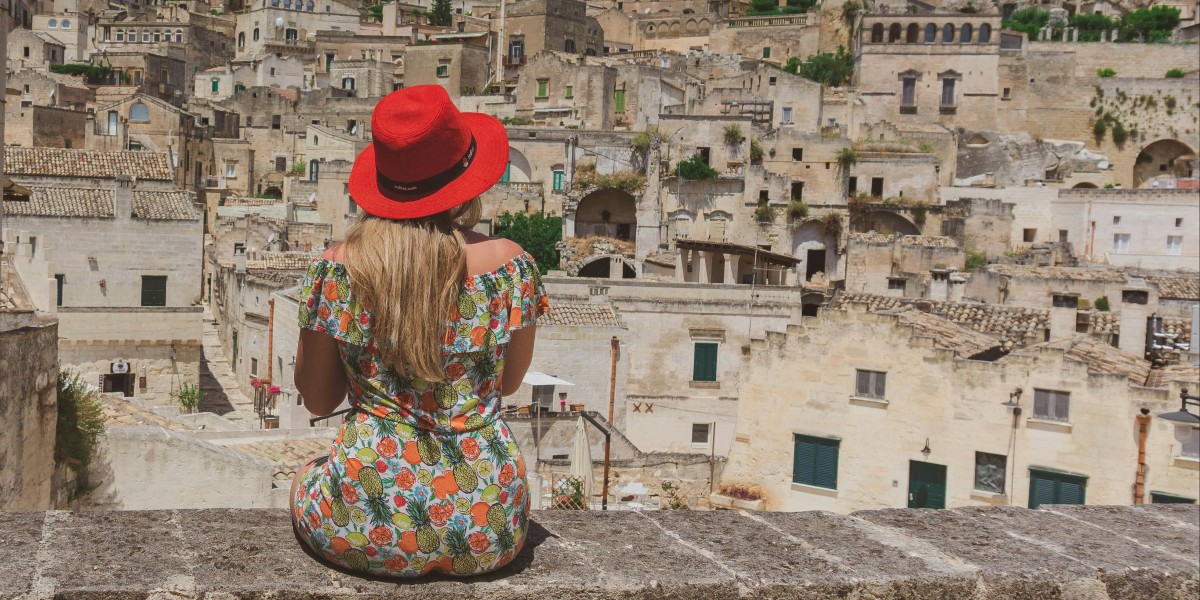
Condé Nast Traveller’s 2026 list spans several continents and a mix of natural and historic settings poised to impress from the moment you arrive. Among the national parks, remote islands, and archaeological sites is Matera, a unique town in the region of Basilicata.
The seven destinations are:
- Matera, Italy
- Banff National Park, Canada
- Bradford Pennines Gateway, England
- Djemila, Algeria
- Faroe Islands
- Richtersveld, South Africa
- El Imposible National Park, El Salvador
What makes Matera one of the 7 Wonders of the World 2026
Condé Nast Traveller doesn’t spell out a single reason for Matera’s inclusion, but the timing and context say a lot. In 2026, the city will serve as Mediterranean Capital of Culture and Dialogue (MCCD), hosting a year-long programme of exhibitions, artist residencies and performances.
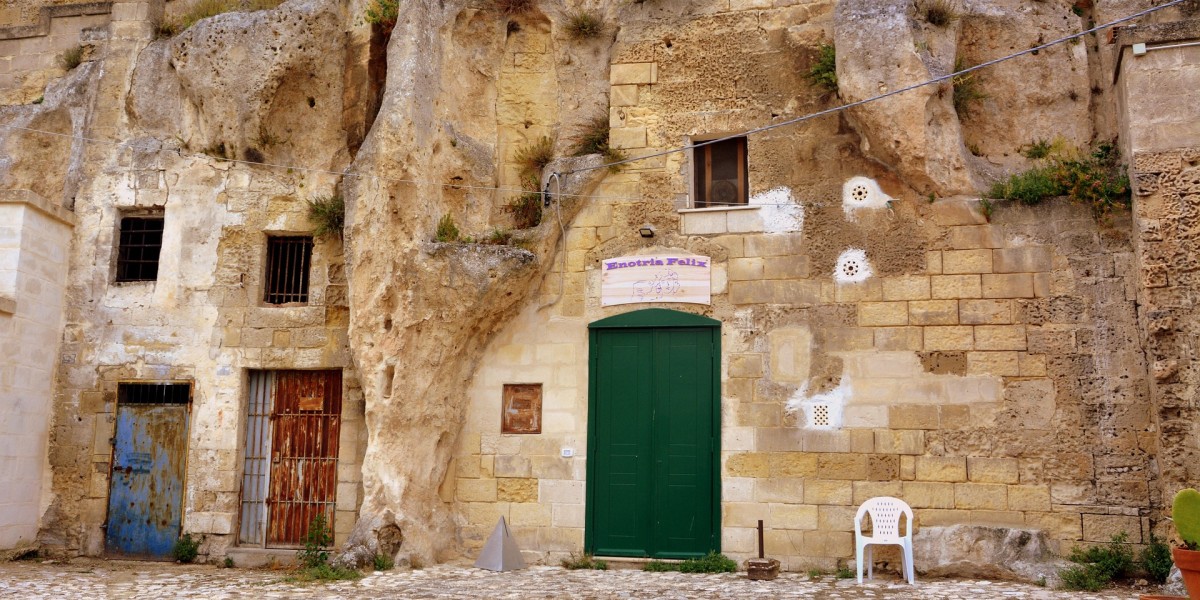
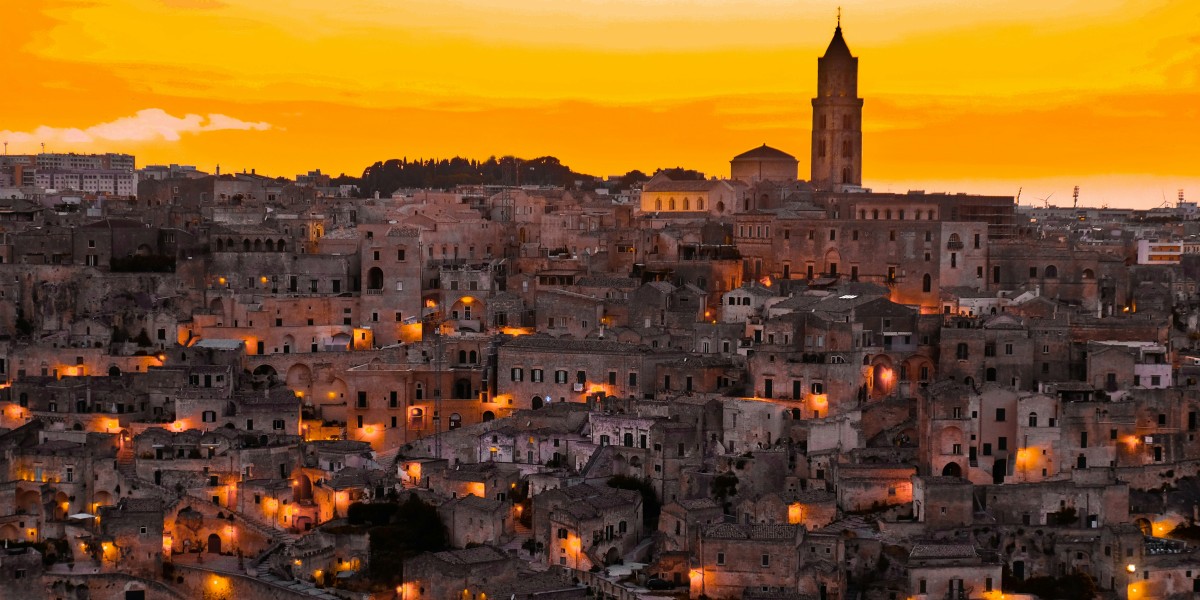
Unlike many of the most spectacular medieval villages in Italy, this is not a polished hilltop borgo with tidy piazzas and neat stone façades. Its defining element is the extraordinary cave city layout. Add to that the fact that parts of these caves were still inhabited until the 1950s, and you have a place that feels both ancient and undeniably alive.
Main highlights of Matera
- The Sassi districts, a dense network of stone dwellings carved directly into limestone rock
- A cityscape of staircases, terraces and ravines that creates a layered, almost theatrical setting
- Cave homes that evolved from prehistoric shelters into contemporary boutique hotels
- Recognition as a UNESCO World Heritage Site
Top things to do in Matera
Matera rewards slow exploration. It’s less about ticking off monuments and more about absorbing the atmosphere of a place that has adapted to its terrain for thousands of years.

- Wander through Sasso Caveoso and Sasso Barisano, noticing how homes, churches and cisterns are stacked into the rock.
- Visit a restored cave dwelling museum to understand how families lived here until the mid-20th century.
- Explore the rock-hewn churches (chiese rupestri) with their faded frescoes.
- Walk across the ravine to the Parco della Murgia Materana for wide views back over the city.
- Spend an evening in a cave restaurant sampling Lucanian dishes such as peperoni cruschi and local Aglianico wine.
Stay inspired for your travels in Italy —get our weekly newsletter for the latest travel, legal, and lifestyle news.