Friuli-Venezia Giulia is an autonomous Italian region. Yet the two names joined by a hyphen point to areas shaped by different histories, languages, landscapes and cultural influences.
Friuli occupies the western and central part of the region, while Venezia Giulia sits to the east. Their boundary is not marked by a fixed line on the map, but the distinction is clear in the places, traditions and historical influences associated with each area.
Friuli and Venezia Giulia: the difference at a glance
Friuli includes the provinces of Udine and Pordenone. Its identity is linked to the Friulian language, recognised as a minority language, as well as rural and mountain traditions and the history of the Patriarchate of Aquileia.
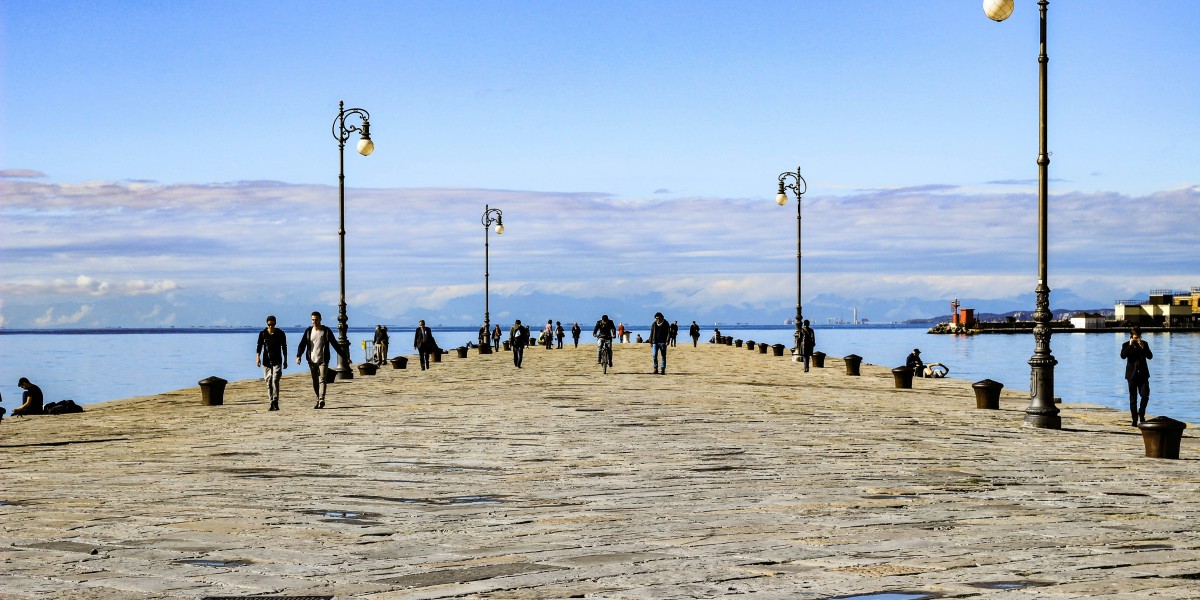
Venezia Giulia, on present-day Italian territory, corresponds mainly to the province of Gorizia and Trieste with its surrounding area. Trieste retains Central European influences in its architecture, food and daily life.
Friuli: language, mountains and the Adriatic coast
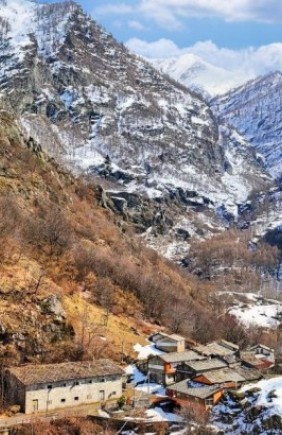
Friuli’s geography runs across mountain, hill, plain and coast. The Friulian Dolomites and the Carnic Alps lie to the north, while the Collio and Colli Orientali hills are associated with vineyards. The region’s plains reach the Adriatic, including the coastal places of Lignano Sabbiadoro and Grado.
The area’s historical centre is Aquileia, founded in 181 BC. It became one of the Roman Empire’s most important cities and later the seat of a powerful Patriarchate that governed much of Friuli for centuries. The mosaics in Aquileia’s basilica are a UNESCO World Heritage site.
Food is another part of Friuli’s identity. Prosciutto di San Daniele DOP is cured exclusively in the small municipality of San Daniele. The source links its sweetness to a local microclimate shaped by Alpine breezes and Adriatic air.
Venezia Giulia: Trieste, Gorizia and a borderland history
Venezia Giulia’s Italian territory is comparatively small today. Much of the historical territory, including Istria, Fiume and Zara, passed to Yugoslavia after the Second World War and the Treaty of Paris of 1947. These areas are now in Slovenia and Croatia.
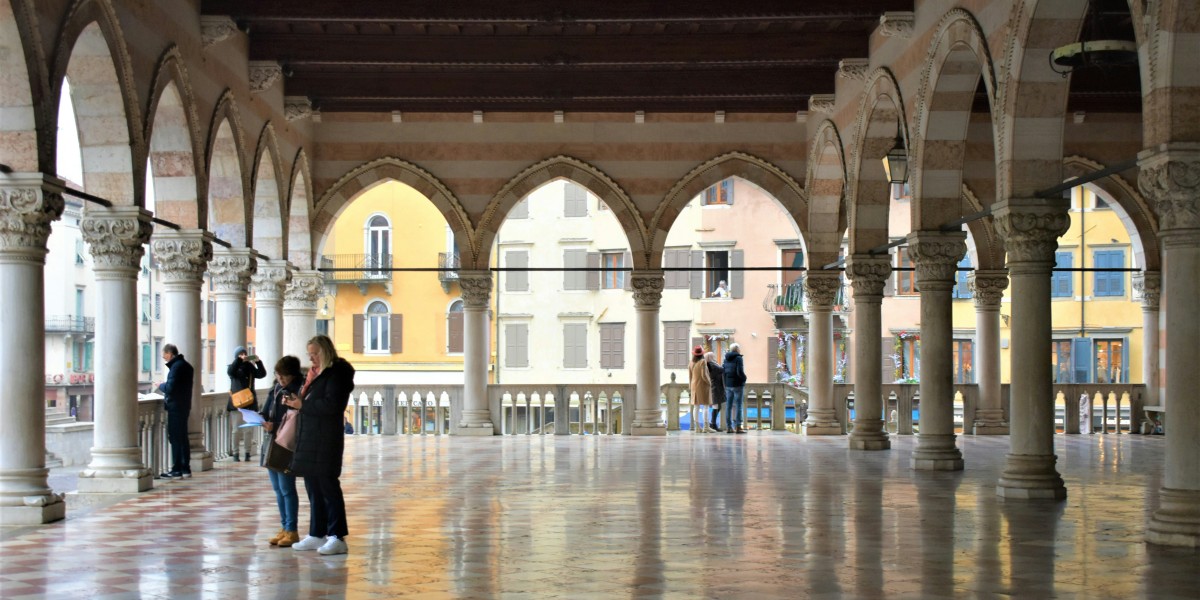
Trieste was the principal port of the Austro-Hungarian Empire. Its population included Italian, Slovenian, German, Jewish, Greek and other communities, giving the city a cosmopolitan character that remains visible in its cultural influences.
- The city is described as Italy’s coffee capital. The port of Trieste is the country’s main entry point for green coffee, and Trieste hosts historic coffee companies.
- Trieste also hosts the Barcolana, described as the world’s most crowded sailing regatta. It is held on the second Sunday of October, when more than 2,000 boats fill the Gulf of Trieste.
Why Venice is not in Friuli-Venezia Giulia
Despite the name, Venezia Giulia has no connection with the city of Venice. The term was coined in 1863 by Gorizia linguist Graziadio Isaia Ascoli for eastern Italian lands belonging to the wider historic geographic area of Venetia.
Scholars later divided the north-east into three areas: Venezia Euganea, corresponding to Veneto and including Padua and Venice; Venezia Tridentina, corresponding to Trentino-Alto Adige; and Venezia Giulia, the eastern part, named after the Julian Alps.
The history that shaped the divide
Aquileia’s Roman and religious history played an important role in Friuli. Later, from the 15th century, western Friuli fell under the control of the Republic of Venice.
In the east, Trieste and the surrounding territory entered the sphere of the Austrian Habsburgs. The different political histories helped shape the cultural contrast that remains associated with Friuli and Venezia Giulia.
During the First World War, Friuli was the scene of major fighting, including Caporetto. After Italy’s victory, Friuli and Venezia Giulia became part of Italy.
The Second World War brought Nazi occupation, the foibe, the exodus and the cession of Istria and much of Venezia Giulia to Yugoslavia.
Living in Friuli-Venezia Giulia
The cost of living in Friuli-Venezia Giulia is significantly lower than in Milan, Rome and Bologna. Its cities also regularly rank highly in Italian quality-of-life rankings.
Austria, Slovenia and Croatia are nearby. Plus, Ljubljana, Istrian beaches and Austrian mountains can be reached in less than an hour.
The region’s natural settings include the Friulian Dolomites, the beaches around Grado and Lignano, the Karst plateau and the Collio hills. In winter, skiing is available in Piancavallo and Tarvisio, while the Collio and Colli Orientali produce wines described in the source as among the region’s best.
- Property for sale in Friuli-Venezia Giulia
- Long-term rentals in Friuli-Venezia Giulia
- Holiday rentals in Friuli-Venezia Giulia
Stay in the know about living in Italy as a foreigner—get our weekly newsletter for the latest travel, legal, and lifestyle news.