Each year, as summer gives way to the cooler air of inland Sardinia, one of the island’s most authentic cultural events gets underway.
Autumn in Barbagia 2026 opens up the villages of central Sardinia between September and December, turning old courtyards, craft workshops and wine cellars into meeting places for local residents and visitors arriving to get a feel for the area.
The event takes place in villages such as Bitti, Oliena, Austis and Lodine. Here is what to know about the 2026 edition, including dates, villages, practical tips and ideas for planning a visit.
What is Autumn in Barbagia: the history of Cortes Apertas
The story of Autumn in Barbagia began in Oliena in 1996, when residents of this historic Barbagia village decided to open up the courtyards of their homes and share local produce, wine and handicrafts with visitors. The idea was simple but meaningful: rather than taking traditions out of the village, people were invited in to experience them in their original setting.
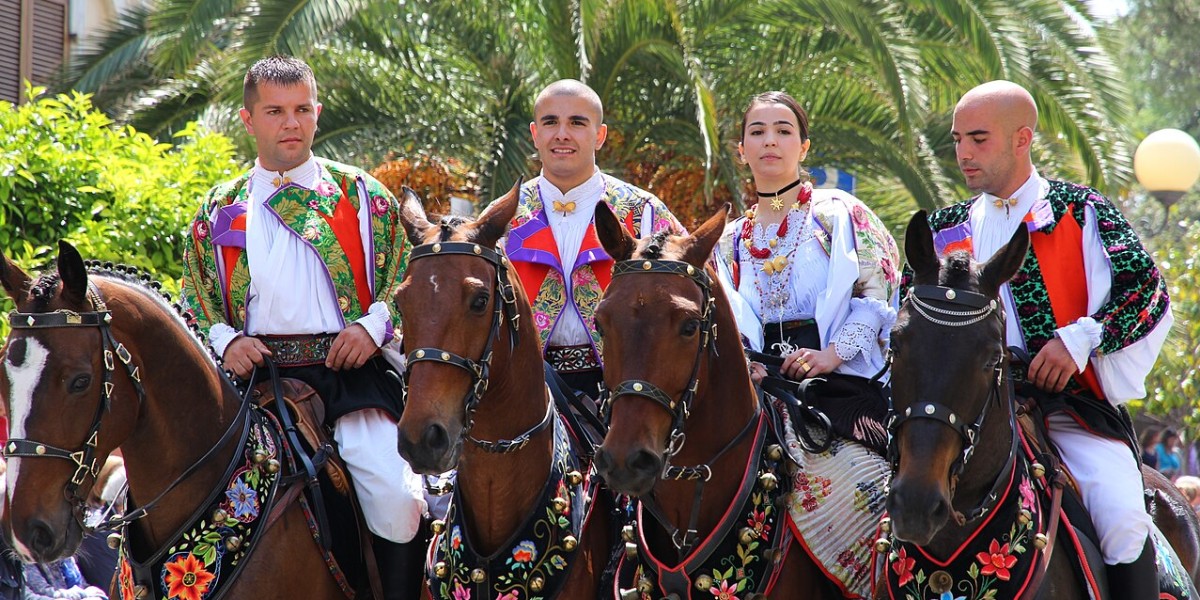
In the years that followed, the event expanded and was renamed Autumn in Barbagia in 2001. Since then, dozens of inland villages have taken part each year between September and December through their own Cortes Apertas, meaning open courtyards. Each stop has a different feel and programme. Today, it is considered one of the key cultural events of autumn in Sardinia.
What are the dates for Autumn in Barbagia 2026?
The 2026 edition of Autumn in Barbagia runs between 5 September and 13 December 2026. Events are generally held at weekends, starting on Friday evening and continuing through Saturday and Sunday. Several villages often host their Cortes Apertas on the same dates.
The programme reaches much of central Sardinia, covering areas including Barbagia di Ollolai, Mandrolisai, Barbagia di Belvì and the Nuoro area. Here is the Autumn in Barbagia 2026 programme, organised by month.
September 2026
- 5–6 September — Bitti
- 12–13 September — Oliena
- 19–20 September — Lodine, Sarule
- 26–27 September — Austis, Dorgali, Orani
October 2026
- 3–4 October — Lula, Meana Sardo, Orotelli, Sorgono
- 10–11 October — Gavoi, Lollove, Onanì, Tonara
- 17–18 October — Belvì, Orgosolo
- 24–25 October — Aritzo, Olzai, Ottana
- 31 October — Desulo
November 2026
- 1 November — Desulo
- 6–7–8 November — Mamoiada
- 7–8 November — Ovodda
- 14–15 November — Nuoro, Tiana, Ollolai
- 21–22 November — Atzara
- 28–29 November — Gadoni, Oniferi
December 2026
- 6–7–8 December — Fonni
- 12–13 December — Ortueri, Orune, Seulo
What happens during the Cortes Apertas in Sardinia?
Each village puts together a programme rooted in its local traditions, but a few experiences appear almost everywhere and sit at the heart of the event.
Traditional crafts and old trades
Among the most popular attractions are live demonstrations of traditional crafts. These include baskets woven from rushes and asphodel, rugs and textiles made on handlooms, plus woodwork, leatherwork and wrought-iron craftsmanship.
In some villages, it is possible to watch artisans making ritual wooden masks, including those of the Mamuthones. These are the masks seen during Mamoiada Carnival and are among the best-recognised symbols of Sardinian carnival traditions.

Typical food and drink: products not to miss
Food takes centre stage at every stop. In the courtyards and workshops, visitors can taste — and often buy directly from producers — some of central Sardinia’s best-loved local dishes and products:
- Cheeses, including Pecorino Sardo DOP and Fiore Sardo
- Cured meats made with Sardinian black pig
- Traditional sweets, including sebadas, sospiri, papassinos and pardulas
- Pane carasau and pane guttiau
- Wines from Mandrolisai and the hills of Barbagia
Villages not to miss: choosing the right stop
More than 30 villages take part, each with its own identity. The best choice depends on personal interests, the time available and the part of central Sardinia being explored.
Oliena: the village where Cortes Apertas began
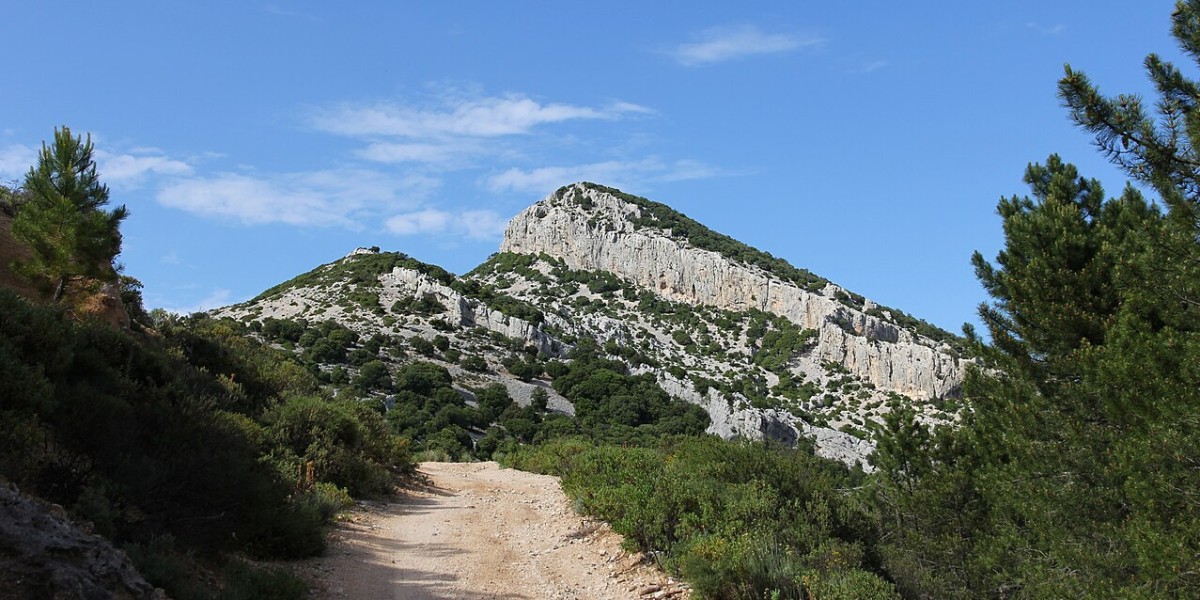
The historic starting point of the event, Oliena lies at the foot of the Supramonte, one of Sardinia’s most striking natural areas. Away from the festival, the village is worth time for the springs of Su Gologone, its Cannonau di Sardegna wine and the murals along the streets of the old centre.
Mamoiada: masks, wine and identity
Mamoiada is recognised around the world for the Mamuthones and Issohadores, the ritual masks of Barbagia carnival traditions. During Autumn in Barbagia, the village opens the Museum of Mediterranean Masks and holds Cannonau tastings. The wine produced here is particularly full-bodied and suitable for ageing.
Fonni: Sardinia’s highest village
At more than 1,000 metres above sea level, Fonni brings the event calendar to a close in December, when late autumn can already feel like winter. The village has a long tradition of wool work and embroidery, set against a mountain setting that brings wide-reaching views on clear days.
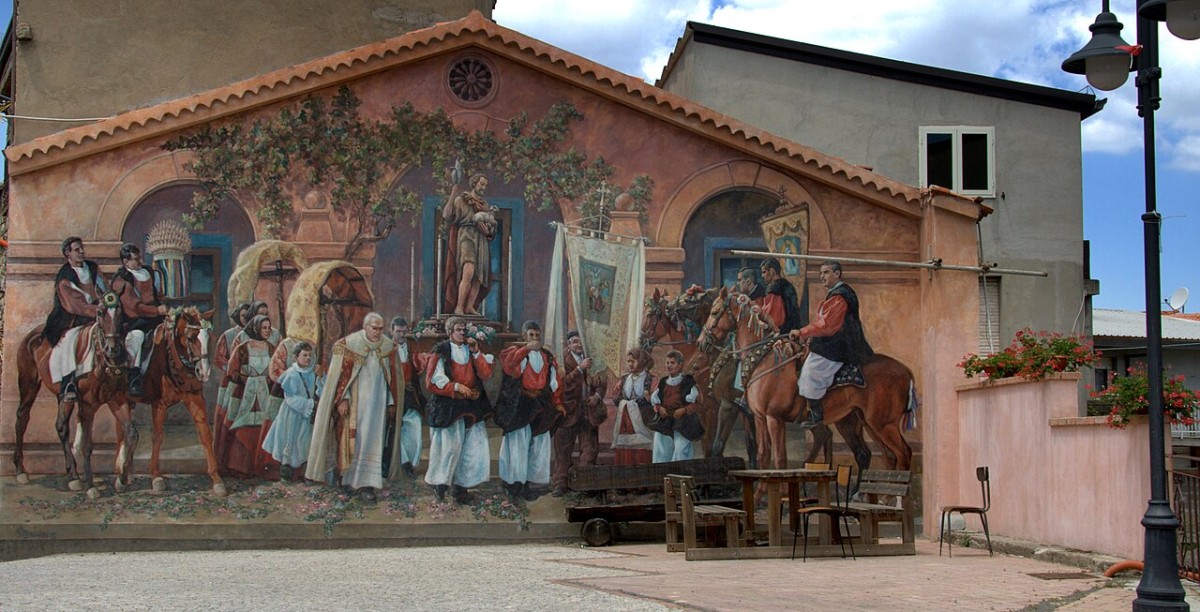
Orgosolo: murals and pastoral traditions
Orgosolo is associated with its political and social murals, which cover many of the village walls. During Autumn in Barbagia, the visit also includes tastings, local craftsmanship and an atmosphere that reflects the history of a resilient community with a strong sense of identity.
Bitti: canto a tenore singing and Nuragic archaeology
Bitti opened the Autumn in Barbagia calendar on the first weekend of September. It is one of the main centres for canto a tenore, Sardinia’s traditional polyphonic singing, and lies near the Romanzesu Nuragic complex. This is one of the island’s most significant prehistoric sites, in a region with more than a thousand nuraghi — ancient stone towers and settlements.
Getting to the villages of Barbagia
Almost all the villages in Autumn in Barbagia are easiest to reach by car. Central Sardinia has no frequent rail network, so having a vehicle is close to essential.
The villages of Mandrolisai are around 1.5–2 hours’ drive from Cagliari, while the villages around Nuoro are roughly 1.5 hours away from Olbia.
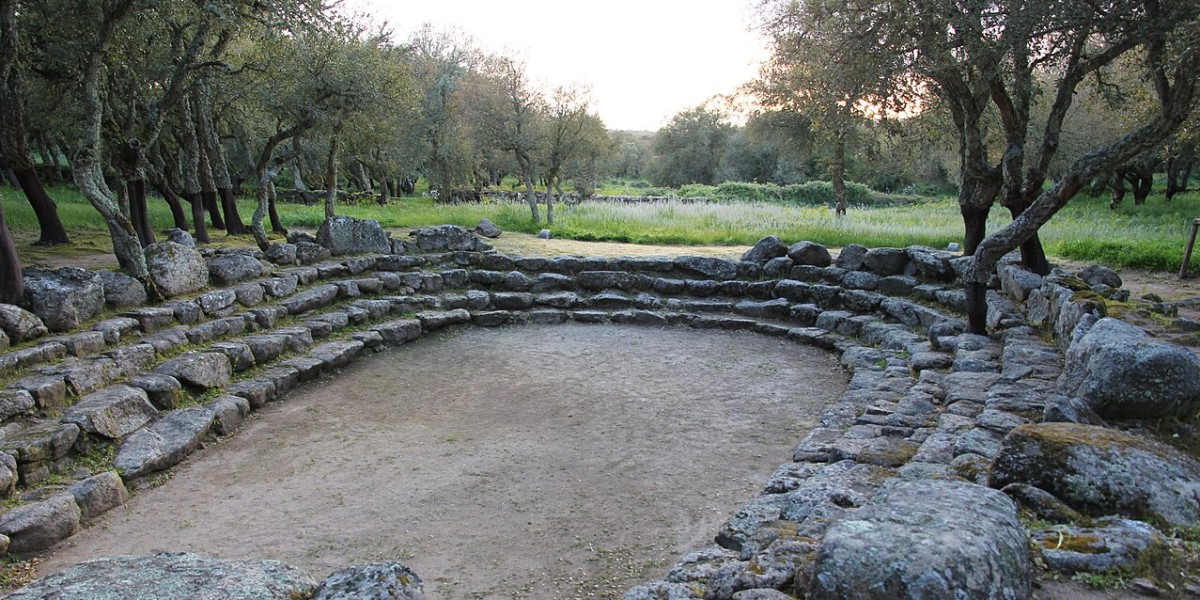
Living in Barbagia
Barbagia is bordered by the Nuoro area to the north, the Supramonte massif to the east, Mandrolisai to the west and the Gennargentu peaks to the south. It is one of the island’s most intact and evocative areas in natural, historical and anthropological terms.
The scenery differs markedly from Sardinia’s coast and the area is home to some of the communities with the world’s highest concentration of centenarians. It may be worth considering a home search here through idealista listings:
Stay inspired for your adventures in Italy —get our weekly newsletter for the latest travel, legal, and lifestyle news.