Southern Italy has long been at the centre of a property initiative that has caught the attention of buyers around the world: homes sold at a symbolic price in exchange for a commitment to renovate them. In Campania, the scheme has already produced results, with two villages now standing out as its best-known examples.
The €1 homes in Campania programme aims to slow depopulation and bring life back to historic centres, while also protecting the built heritage and supporting local economies. It is, in effect, an agreement between buyer and community: purchasers commit to playing a part in the village’s revival.
The €1 homes project in Campania
The €1 homes initiative began in 2008 in Salemi, in the province of Trapani, and later spread across Italy, reaching villages in the centre and north of the country. In Campania, where depopulation in inland areas is a genuine issue, the project has found fertile ground.
The mechanism is straightforward.
- The owner of an abandoned or run-down property transfers it to the local council, which then puts it up for sale for €1 through a public call for applications.
- The buyer commits to renovating it within the stated deadlines, helping restore the area’s architectural heritage and attract new residents or businesses.
The aim of participating Campanian municipalities is twofold: to preserve the historic identity of the urban fabric and stimulate local economies through building work, new services and, in many cases, accommodation businesses such as bed and breakfasts and holiday homes.
Where to find €1 homes in Campania
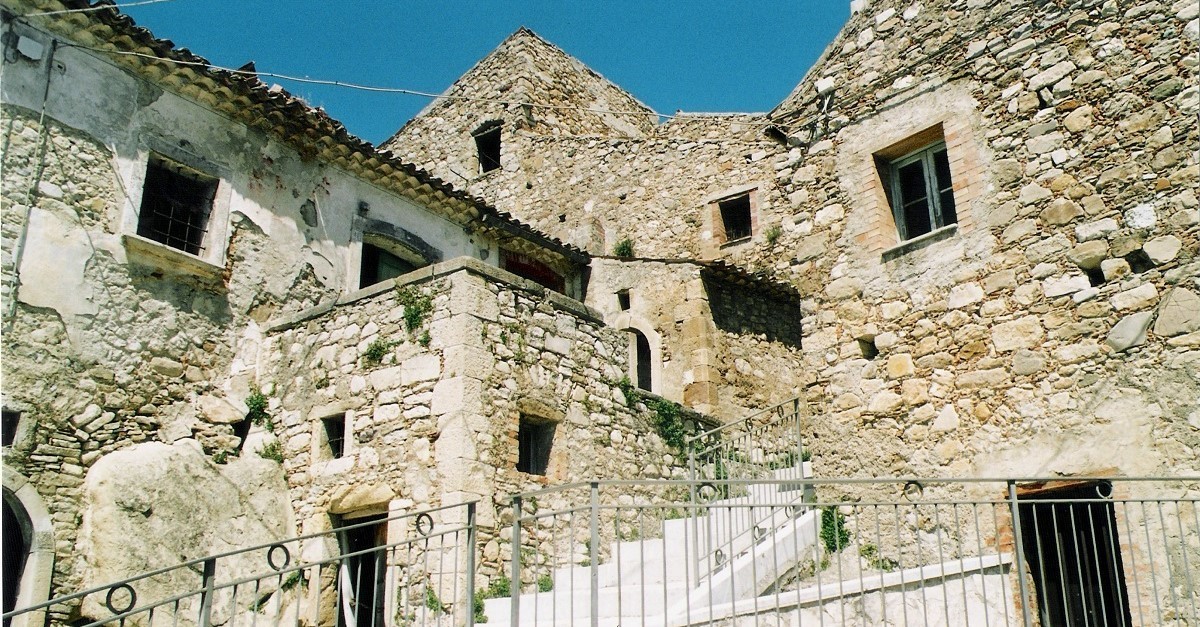
In Campania, the villages taking part in the €1 homes initiative in 2026 are Zungoli and Guardia Sanframondi, located in the provinces of Avellino and Benevento respectively. Both areas have notable historic and natural heritage.
Zungoli
Set in the upper Ufita Valley, in the province of Avellino, Zungoli has around 900 residents and sits 657 metres above sea level. The municipality is part of the Borghi più Belli d’Italia network, has received the Italian Touring Club’s Bandiera Arancione award and came third in Rai 3’s Il Borgo dei Borghi television competition in 2026.
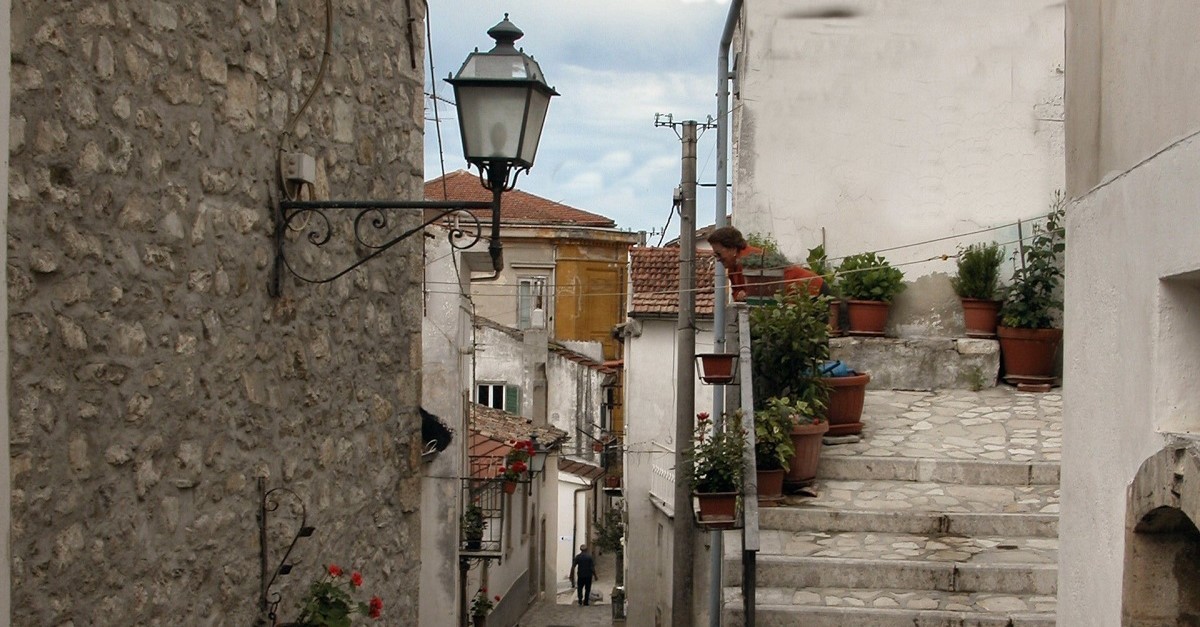
A visit to Zungoli centres on its historic centre, which can be explored on foot along stone lanes and stairways. It contains an 11th-century Norman castle, Byzantine caves carved into tufa, two medieval towers and several noble palaces.
Regarding Zungoli’s €1 homes scheme, the municipality has already launched four calls for applications for the sale of €1 properties, with encouraging results. Many abandoned buildings have become homes, B&Bs and small businesses.
Buyers must submit a renovation project within one year and complete the work within three years, paying a deposit that is returned once the works are finished.
Guardia Sanframondi
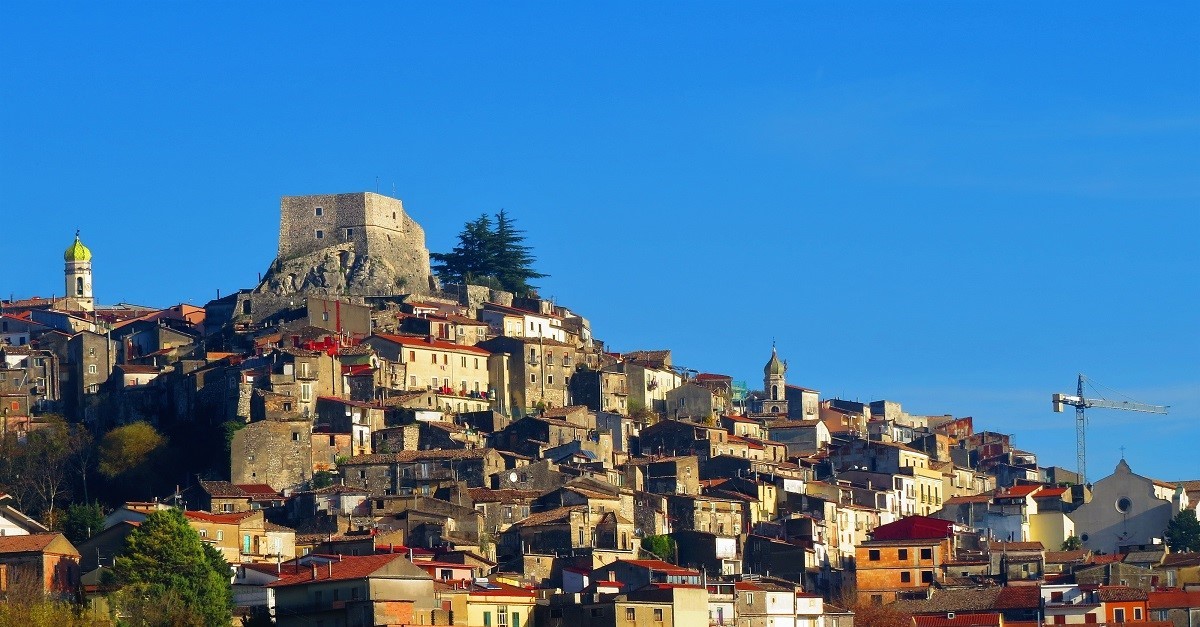
At about 430 metres above sea level in the Telesina Valley, Guardia Sanframondi is a medieval village in the province of Benevento with around 6,000 residents. Its urban layout dates back to 1450 and is characterised by lanes climbing towards the castle, recently restored and partly open to visitors, along with Baroque churches containing works by artists from Naples.
Guardia Sanframondi is also associated with the Rite of the Battenti, a seven-year penitential ceremony among the most well-attended in the world, as well as Sannio Guardia DOC wine production.
In April 2026, the council launched its first discounted property transfer programme as part of Guardia Sanframondi’s €1 homes initiative. Run-down properties in the historic centre are transferred for this symbolic sum to support restoration and counter depopulation. The call is open to Italian and foreign individuals, companies and associations.
How to buy a €1 home
The purchase process is straightforward in principle, but requires careful attention to several aspects. The first step is to contact the chosen municipality and consult the list of available properties, along with the relevant technical information.
There are no income or wealth limits. The scheme is open to everyone, including foreign nationals, who must have an Italian tax code (codice fiscale). This can also be obtained through an Italian consulate abroad.
Once a property has been selected, the main obligations for a €1 home buyer usually include:
- beginning the renovation work within the deadlines set out in the call, usually within a few months of obtaining the necessary permits;
- completing all work within three years;
- paying a guarantee bond of around €5,000, returned once the renovation is completed;
- covering notary fees, transfer costs and cadastral registration costs.
The purchase process is straightforward in principle, but requires careful attention to several aspects. The first step is to contact the chosen municipality and consult the list of available properties, along with the relevant technical information.
There are no income or wealth limits. The scheme is open to everyone, including foreign nationals, who must have an Italian tax code (codice fiscale). This can also be obtained through an Italian consulate abroad. Once a property has been selected, the main obligations for a €1 home buyer usually include:
- beginning the renovation work within the deadlines set out in the call, usually within a few months of obtaining the necessary permits;
- completing all work within three years;
- paying a guarantee bond of around €5,000, returned once the renovation is completed;
- covering notary fees, transfer costs and cadastral registration costs.
The cost of renovation can range from a few thousand euros to tens of thousands, depending on the property’s condition. The financial burden may be reduced by the 2026 renovation bonus, which allows a 50% tax deduction on expenses up to €96,000 if the home becomes the buyer’s main residence, and a 36% deduction in all other cases.
The possible uses for the renovated property vary. It may become a main home, second home, holiday home or accommodation business. Municipal calls are designed to limit speculation and favour people genuinely intending to live in or invest in the local area.
Living in Campania
Beyond the €1 homes scheme, Campania has many property opportunities for people planning a move to the region or considering a real-estate investment. Current listings can be found on idealista.
For more on the wider scheme, explore €1 homes in Italy.