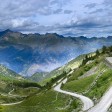
A mountain road in Piedmont has reopened for 2026 after its winter closure. Colle delle Finestre, high in the Cottian Alps, is not a quick dash across a pass: its Val di Susa approach coils uphill through 45 hairpins before the final gravel section takes over.
The SP172 reopened in full on the afternoon of 6 June 2026, following the passage of the Giro d’Italia Women en route to Sestriere.
Where Colle delle Finestre is in Italy
Colle delle Finestre lies in the Metropolitan City of Turin, linking the Val di Susa with the Val Chisone. The SP172 climbs from Meana di Susa on the Val di Susa side, then descends towards Pian dell’Alpe and Dépot di Fenestrelle.
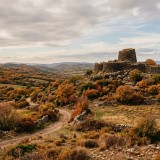
Built in 1890, the road originally helped connect the Fenestrelle and Assietta defence systems. It has kept much of the character of that earlier high-mountain route: narrow in places, seasonally closed, and not fully paved.
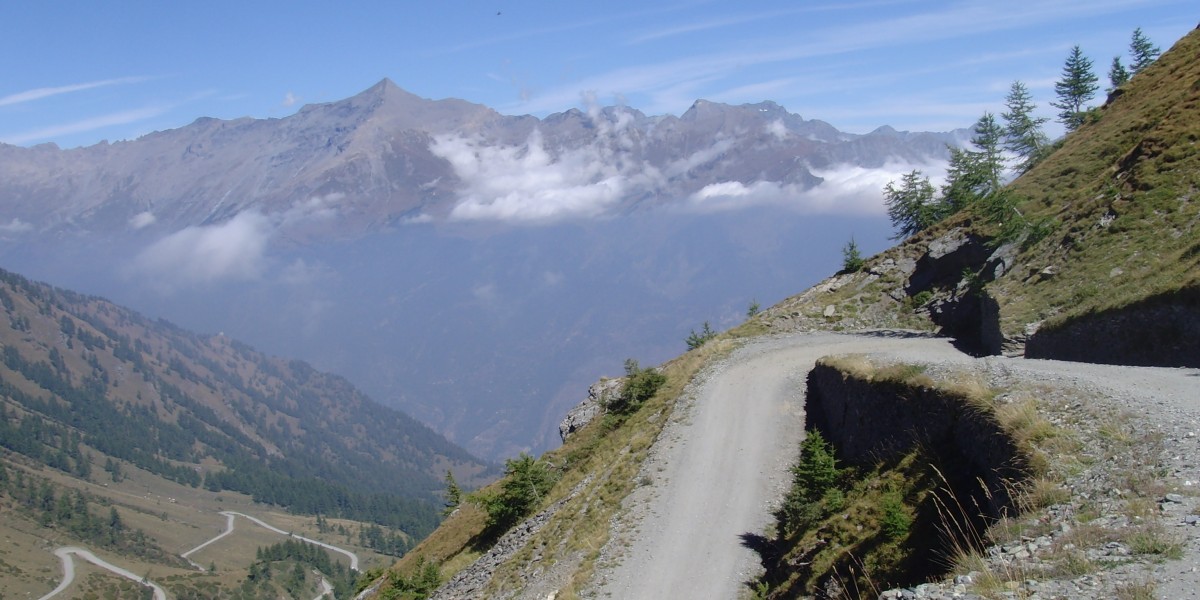
The road with over 60 hairpin bends
The main Val di Susa ascent covers around 18.5 km, rising close to 1,700 metres at an average gradient of more than 9%. It is a serious climb for cyclists and an absorbing, slow-going drive for anyone on a road trip in Italy.
The hairpins are the real spectacle. Twenty-nine bends appear in less than four kilometres, while the Giro d’Italia counts 45 hairpins between the valley and the summit.
Near Colletto, at around 1,450 metres, the tarmac runs out. Just under 8 km of gravel road remains, where the woodland begins to thin, and the bends work their way up the mountainside.
A Giro d’Italia climb with a gravel finish
Colle delle Finestre entered the Giro d’Italia in 2005 and returned in 2011, 2015, 2018 and 2025. Its steep approach and high-altitude gravel finish have put it among the race’s key mountain roads.
- In 2018, Chris Froome launched a long-range attack on the climb.
- Simon Yates made a decisive move on the pass towards Sestriere in 2025.
For the Giro d’Italia Women on 6 June 2026, snow was cleared, and the unpaved stretch was repaired with stabilised material and rolling. The SP172 reopened to normal traffic after the race passed through.
What lies at the summit
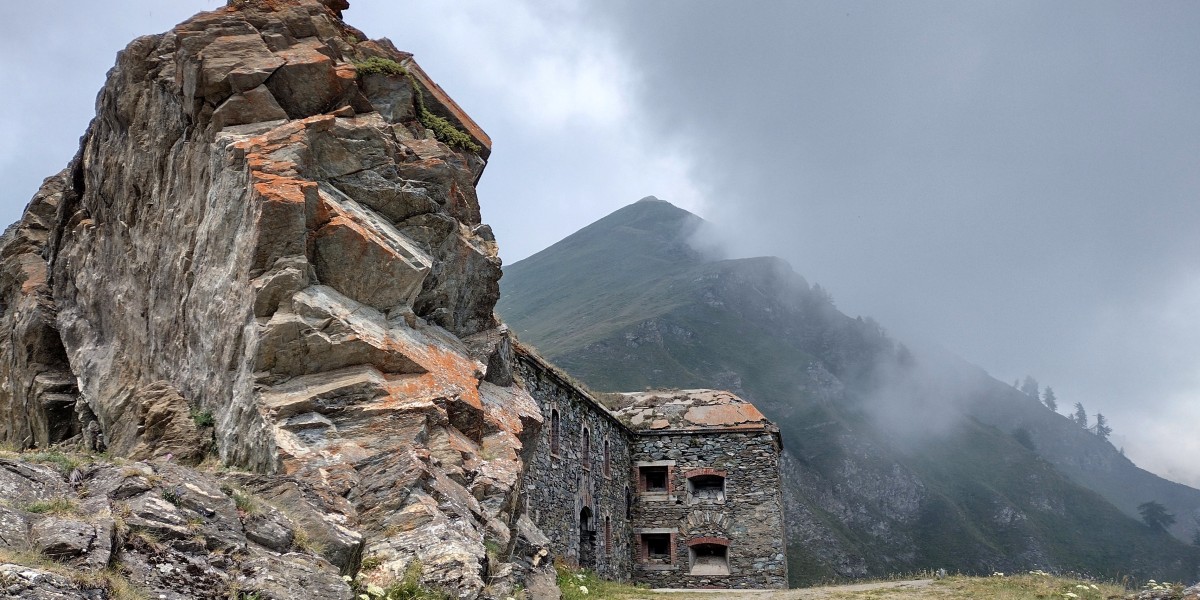
The pass sits at 2,176 metres, where the Val di Susa and Val Chisone meet. There is no village or developed tourist area waiting at the top, only the road, grassy slopes, mountain views and traces of the area’s military history.
Just above the pass is the Forte del Colle delle Finestre, built in the late 19th century to support the Fenestrelle and Assietta fortifications. It once contained two 57 mm cannons in disappearing turrets. The weapons were removed during the First World War, and the fort was decommissioned in 1928.
Colle delle Finestre opening dates and travel conditions for 2026
Snow and ice close the road during winter, so opening dates change each year according to snowmelt and maintenance work.
July to September generally brings the strongest chance of a full crossing, although weather can shift sharply at this altitude. Summer thunderstorms, hail, and sudden falls in temperature can all affect conditions.
Starting points around Colle delle Finestre
The classic route starts in the Val di Susa. From Turin, the road to Susa follows the A32 motorway or ordinary roads, continuing through Meana di Susa to join the SP172.
The pass can also be reached from the Val Chisone, via Fenestrelle, Dépot and Pian dell’Alpe.
The SP172 is open to normal traffic during its permitted season, but it remains a narrow mountain road with an unpaved section. Passing other vehicles requires care in several sections, and cyclists are a regular part of the summer traffic.
All information comes from “Più di 60 tornanti tra le nuvole: la strada più leggendaria del Piemonte che sembra infinita”