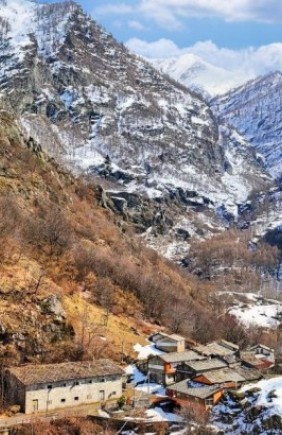
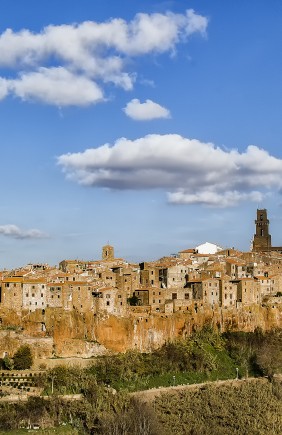
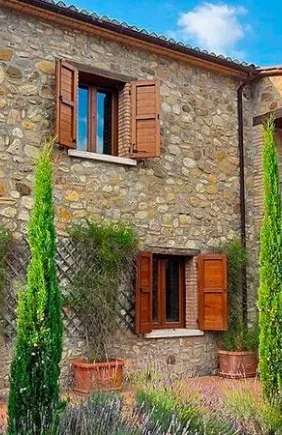
In Italy, borgo and comune are often treated as synonyms, yet they describe very different things. The difference between a borgo and a comune is not merely linguistic. It involves historical, legal and cultural aspects that are deeply rooted in Italian life. Put simply, a borgo is a concept associated with identity and setting, while a comune is an administrative body recognised by law.
What is a borgo?
The term borgo dates back to the Middle Ages. It referred to a small settlement that generally grew around a castle, church or important trade route.
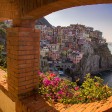
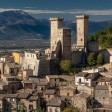
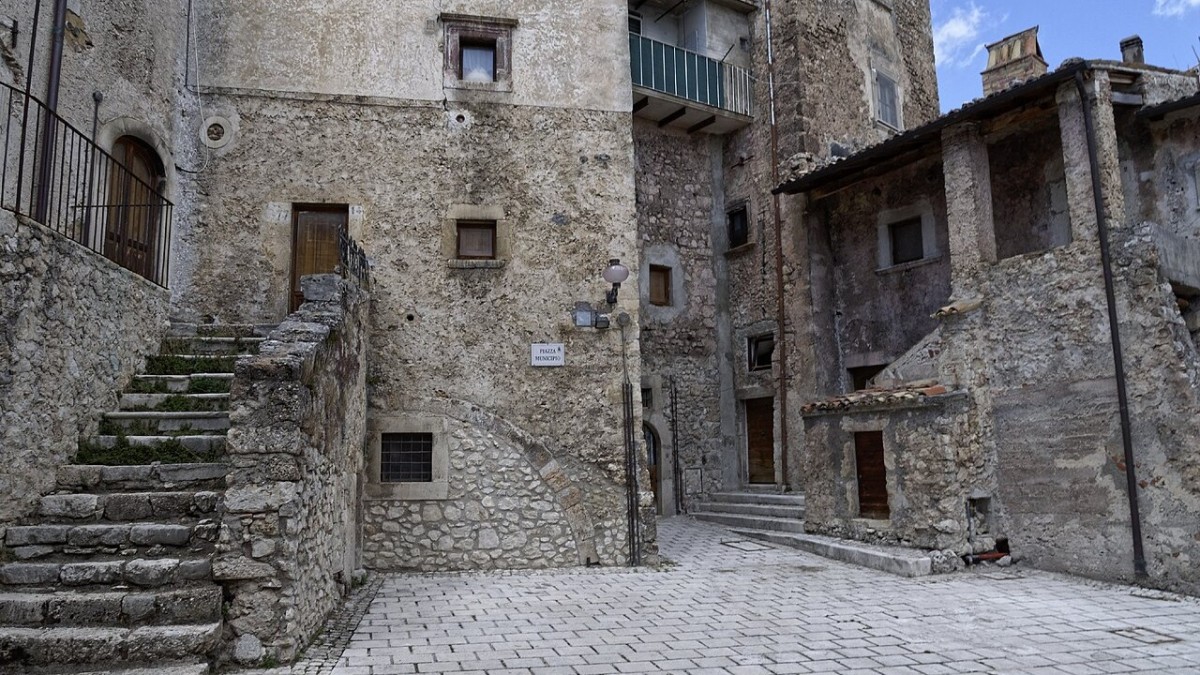
Today, the word is strongly evocative. A borgo usually means a small inhabited settlement, or village, with historic architecture, narrow lanes, little squares and a particularly atmospheric feel. There is no set population figure that defines a borgo, nor is there an official legal act that grants it this status.
Some borghi coincide with an entire comune, while others are frazioni, or hamlets within a municipality. There are even borghi that are now completely abandoned, known as borghi fantasma, or ghost villages.
The best-known recognition associated with the term comes from I Borghi più belli d’Italia (Italy’s Most Beautiful Villages), an association that has selected and promoted smaller settlements since 2001 for their artistic heritage, architectural quality and visual harmony with their surroundings.
What is a comune?
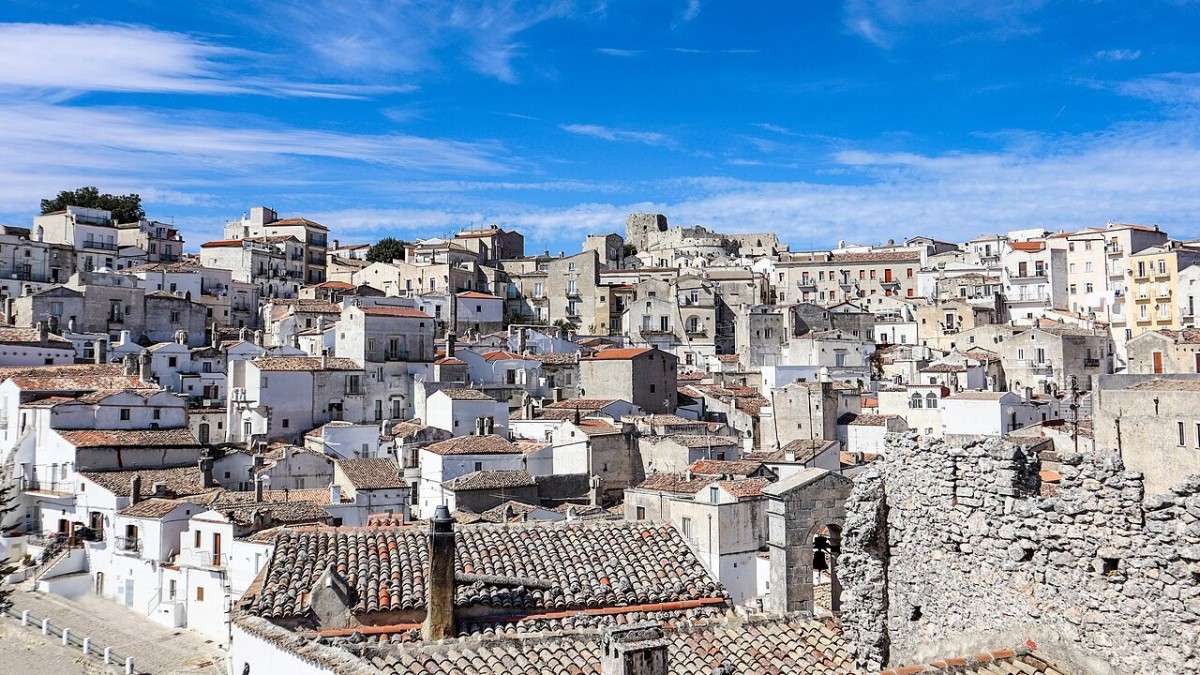
A comune, by contrast, is the smallest administrative unit in the Italian State, with legal personality and autonomy. It is defined by the Constitution and governed by the Consolidated Law on Local Authorities (Testo Unico degli Enti Locali, Legislative Decree 267/2000).
Each comune, or municipality, manages essential services, including resident registration, civil-status records, urban planning, road maintenance, school transport and waste collection. Italy has around 7,900 comuni, a figure that has fallen over the years as smaller authorities have merged.
What is the difference between a borgo and a paese?
While the distinction between a borgo and a comune is relatively clear, the line between a borgo and a paese can be more blurred. Both bring to mind a small settlement, and in certain contexts they can be used interchangeably.
- Paese is a general term for a town or village that is not especially large. It may have a few hundred residents or more than 10,000. The term does not necessarily imply historic importance or distinctive architecture.
- A borgo, on the other hand, carries a much stronger aesthetic and historical association.
Administratively, neither term has official status. Both may refer to a comune, a frazione or simply a residential settlement recorded by ISTAT, Italy’s National Institute of Statistics.
The difference between a borgo and a city
A city is a medium-sized or large urban centre with complex infrastructure: hospitals, universities, courts, shopping centres and extensive public transport networks. In Italy, the title of città was historically granted by royal or presidential decree, which means a city does not always correspond to a large urban area.
A borgo, by contrast, is defined by its smaller scale. It does not have a service network comparable to that of an urban centre, and residents often need to travel to larger towns for healthcare facilities, secondary schools or public offices.
Italy’s prettiest borghi
Italy has a wealth of small historic settlements, scattered throughout the country, across areas stretching between the Alps and the islands.
I Borghi più belli d’Italia lists more than 300 on its official register, selected according to criteria including the integrity of the urban fabric, architectural quality, cultural life and sustainable tourism.
Among the best-known and most visited of Italy's most beautiful villages are:
- Civita di Bagnoregio (Lazio): nicknamed “the dying city” because erosion is slowly wearing away the tufa-rock outcrop beneath it. It can only be reached via a striking pedestrian bridge.
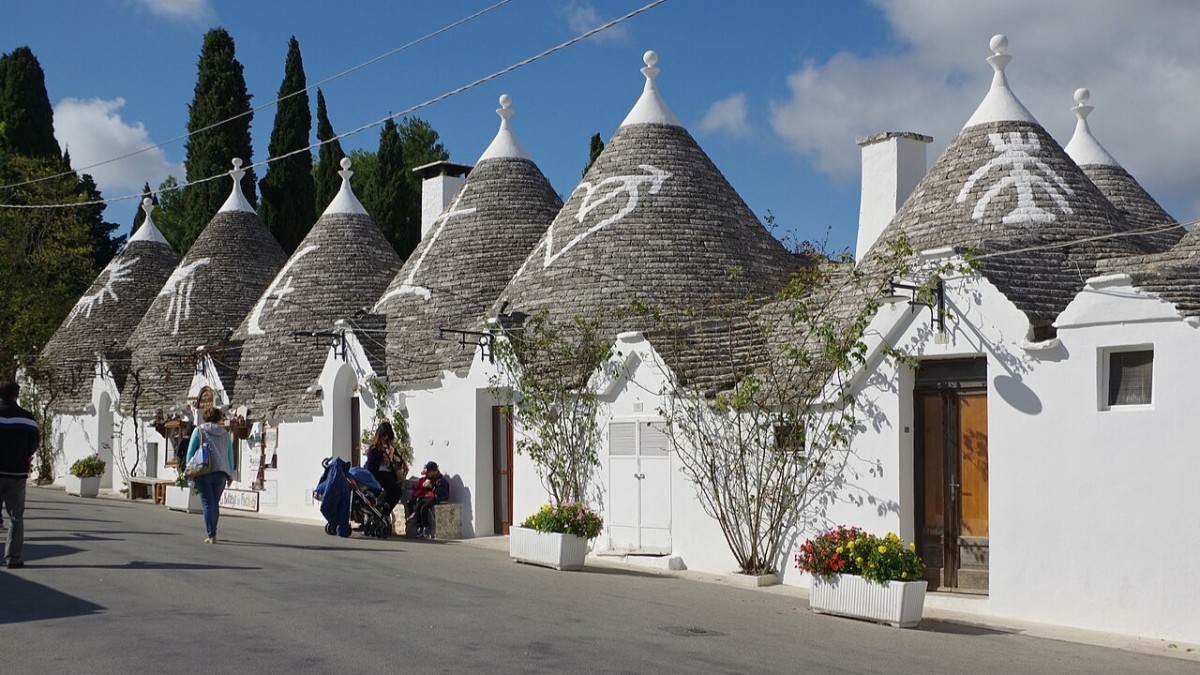
- Alberobello (Puglia): internationally recognised for its trulli, the characteristic cone-roofed dwellings that have been a UNESCO World Heritage Site since 1996.
- Castelluccio di Norcia (Umbria): perched at more than 1,400 metres, it overlooks the Piano di Castelluccio, which becomes a patchwork of colour every summer during the celebrated lentil flowering.
- Bosa (Sardinia): with colourful houses along the River Temo, a medieval castle on the hilltop and a historic centre that seems painted into place.
- Santo Stefano di Sessanio (Abruzzo): a medieval borgo built entirely from limestone, now seen as a model of restoration thanks to a project that converted abandoned homes into tourist accommodation.
Stay in the know about living in Italy as a foreigner—get our weekly newsletter for the latest travel, legal, and lifestyle news.