In Molise, the depopulation of small towns has been an ongoing issue for decades. Many municipalities in the region have steadily lost residents, leaving local authorities increasingly keen to find ways of reversing the trend.
The €1 homes in Molise scheme fits into this picture, putting abandoned properties back on the market for the symbolic price of one euro in return for a clear commitment to renovate them. Sant’Elia a Pianisi is the Molise village taking part in the initiative for 2026. Its call for applications sets out specific deadlines, additional costs and allocation criteria that give greater weight to the involvement of local professionals and businesses.
The €1 homes scheme in Molise
The project arrived in Molise as a response to population decline affecting the region’s small villages. It follows the same model that has spread across Italy since 2008, when it was first launched in the Sicilian municipality of Salemi. Owners of abandoned properties hand them over to the local council, which then puts them back on the market at the symbolic price of one euro, in exchange for a commitment to renovate them within the deadline set out in the call for applications.
In Molise, the €1 homes initiative has taken on a more specific role. The calls for applications are intended not only to tackle depopulation, but also to create direct economic benefits by encouraging buyers to use local professionals and firms for the renovation work.
There are no income or asset limits for taking part. Both Italian citizens and foreign buyers can purchase a property, provided they have an Italian tax code (codice fiscale). Non-residents can also obtain this document abroad through the Italian consular office.
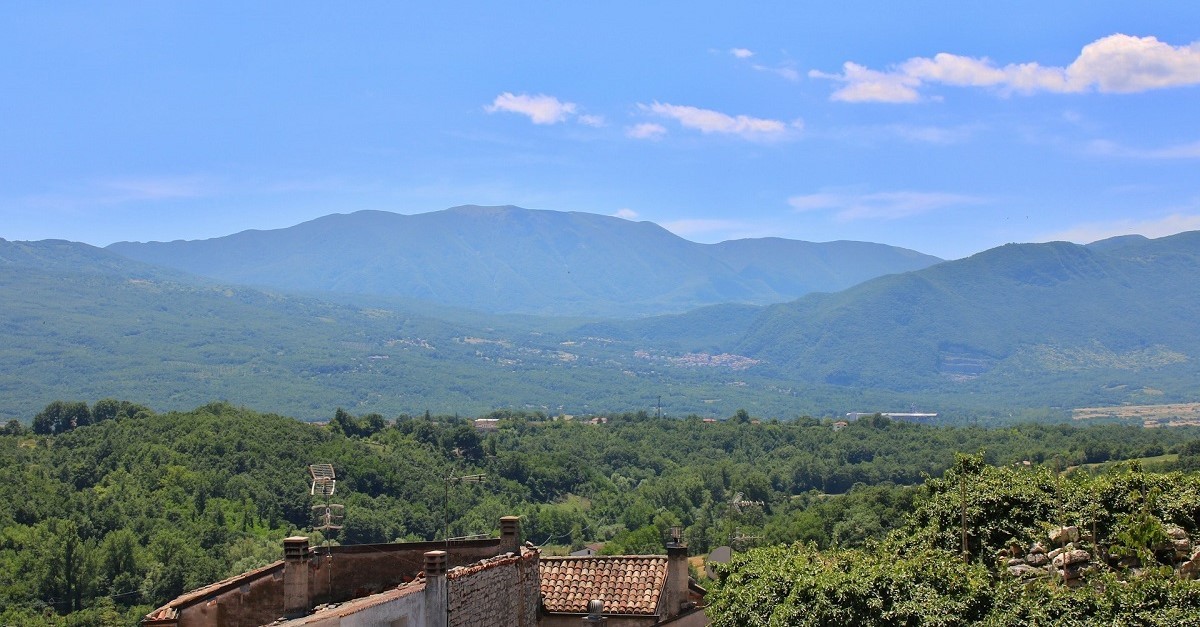
Where to find €1 homes in Molise
In 2026, the map of municipalities taking part in the initiative has expanded further across Italy, with villages scattered between the Alps and Sicily.
In Molise, the project previously also included the village of Petrella Tifernina.
However, the only place in the region to renew its scheme this year is Sant’Elia a Pianisi, also in the province of Campobasso.
Sant’Elia a Pianisi
Sant’Elia a Pianisi is a small municipality of around 1,600 residents in the province of Campobasso. The village has a medieval historic centre and several churches of considerable historical value, including the 11th-century Abbey of San Pietro, a Franciscan convent completed in 1531, and the Chapel of Madonna delle Grazie, originally a 16th-century hospital for pilgrims. Sant’Elia a Pianisi’s main attraction is closely tied to the convent, which is associated with Padre Pio.
The municipality of Sant’Elia a Pianisi joined the €1 homes scheme by making homes available for the symbolic price of €1, with the stated aim of supporting the local economy and curbing depopulation.
The mayor explained that the call is not simply intended to attract new residents, but also to encourage the involvement of local professionals and businesses in renovation work.
Applicants who choose local designers and contractors receive a higher score in the assessment of their application.
The homes available vary in condition. Some need substantial work, while others are in a more acceptable state but still require renovation.
Applications are submitted directly through the municipal website, and properties are allocated through a points-based system.
How to buy a €1 home
Each municipality taking part in the scheme sets its own specific conditions, although several costs appear in almost all national calls for applications.
Prospective buyers should factor in:
- renovating the property within the deadline set out in the call, with an estimated investment of between €20,000 and €25,000;
- notary fees for registration, transfer of ownership and land registry registration;
- a €5,000 surety bond, valid for three years, as a guarantee of the commitment made to the municipality;
- starting the work within two months of receiving the necessary permits.
The first step is to contact the municipality directly to check property availability and the specific conditions required. Each municipality has its own rules, although some basic requirements are shared by all schemes.
In Sant’Elia a Pianisi, the process involves submitting an application through the municipal website, followed by an assessment. If approved, the notarial deed is completed between the buyer and the original seller.
A contract with the municipality is then signed, setting out the deadlines. The renovation project must be submitted within six months, while the work must be completed within three years of the purchase.
It is worth remembering that anyone buying a €1 home can still access the 2026 renovation tax relief, extended from 2025 under the Budget Law, which provides tax deductions on eligible expenditure.
- The rate is 50% if the property becomes the buyer’s main residence, and 36% in all other cases, including buyers who already own a main home elsewhere and treat the purchase as a second home.
The maximum eligible expenditure is €96,000 per property unit, with the IRPEF income-tax deduction spread across 10 annual instalments.