Over time, the reasons people buy a second home in Italy have changed. For decades, a property other than the main residence was chiefly used for family holidays: a seaside flat, a mountain house or a small home in the family’s town of origin, used at weekends and during the summer. The emotional side was later joined by the idea of a holiday home investment, with many owners considering tourist lets for the periods when the property was not being used by the family.
Today, people choose second homes using more detailed criteria than in the past. Sea views and proximity to ski lifts are no longer the only considerations. Transport links, year-round services, digital connectivity, energy ratings and running costs all carry weight.
A home intended solely for family use may prioritise comfort and personal ties to the area, while a property also used for guest accommodation requires a more carefully structured financial plan.
Moving beyond a holiday home to a property used all year round
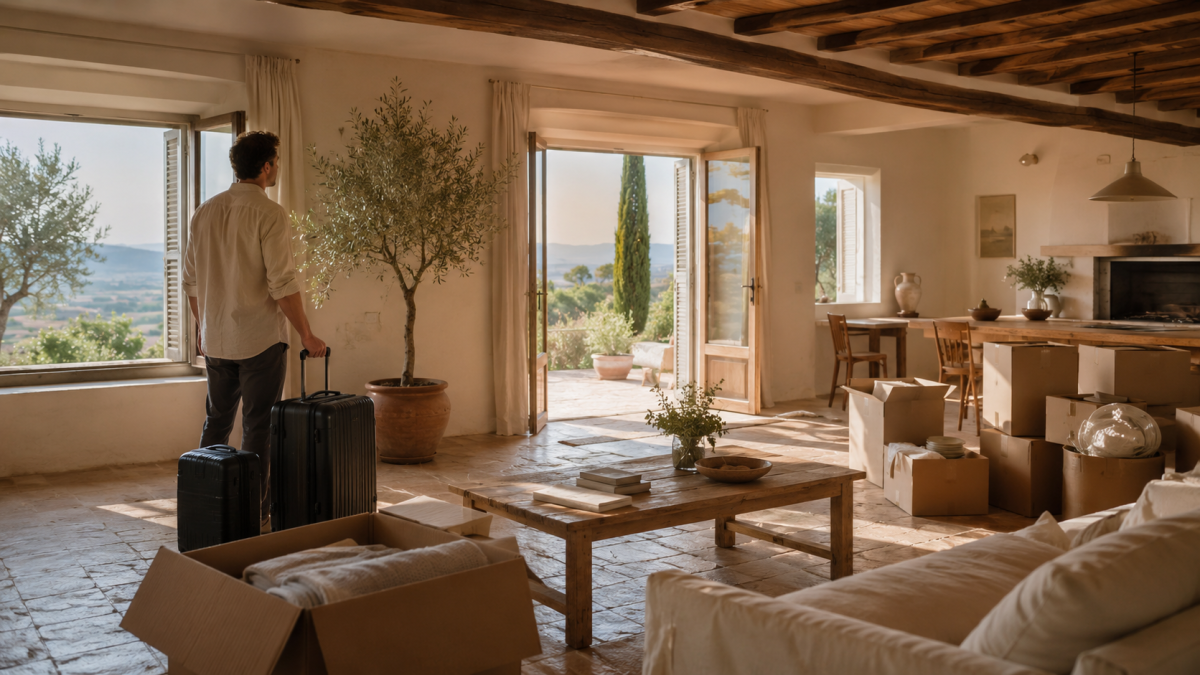
In the past, second homes tended to be used only at certain times of year: August at seaside resorts, Christmas and ski holidays in the mountains, and spring bank-holiday weekends by lakes or in the countryside.
This seasonal pattern left many homes closed for months at a time, while fixed costs still had to be paid regardless of how much the property was actually used.
In recent years, there has been growing interest in places with activities and services across several seasons. A coastal borgo — a small historic village — is no longer assessed only for beach access, but also for its restaurants, transport connections and nature trails in spring and autumn.
Similarly, mountain areas can appeal not only to skiers, but also to people looking for hiking and cycling routes, along with milder temperatures during the warmer months.
Changing working habits have also played a part in this shift. For people able to work remotely, even for only a few days a week, a second home with a reliable internet connection and practical living spaces can become a base used more regularly than it once was. This does not automatically make every purchase worthwhile, but it does increase the potential time the property can be used.
As a result, the search is no longer simply about deciding where to spend holidays. It is important to establish whether the location is easy to reach, has essential services outside peak season, and suits short stays, longer breaks or repeated visits throughout the year.
Moving beyond inherited second homes to planned purchases
Another change concerns the way second homes become part of a family’s property assets. In the past, many holiday homes were inherited properties or were built in the family’s place of origin. Today, planned purchases are playing a greater role, with location, costs, energy efficiency and the potential for tourist use considered very carefully.
In seaside and mountain destinations, as well as smaller historic villages, properties may be older, subject to landscape protection rules or located in apartment buildings with specific regulations.
Before signing, it is therefore sensible to check planning and cadastral compliance, the property’s ownership history, any restrictions or mortgages, the state of the utilities and systems, and the Energy Performance Certificate (Attestato di prestazione energetica).
The building regulations, minutes of owners’ meetings, and information on regular charges and already approved major works should also be requested.
Short-term lets: how they have changed the role of the second home
The spread of short-term lets in Italy has changed how many owners view a second home. A property that once remained closed for much of the year can now be made available to tourists and travellers during periods when the family is not using it. As a result, more owners consider letting as a way of covering at least part of the ongoing costs.
Tourist accommodation should not, however, be treated as automatic income. Running a holiday home involves cleaning, laundry, maintenance, utilities, guest communication, platform commissions and periods without bookings. Rates also need to be estimated cautiously, rather than based solely on the highest prices seen during peak season.
Things to check before letting out a second home include:
- Municipal and regional rules governing tourist lets.
- Obligations linked to the CIN, Italy’s National Identification Code, and the Accommodation Facilities Database.
- Building regulations and any possible restrictions.
- Genuine visitor demand in the area and its seasonal pattern.
- Costs for cleaning, laundry, maintenance and management.
- Platform commissions and the tax treatment of rental income.
- Whether the property is available during the most in-demand periods.
- The need for insurance and safety measures.
Second homes in Italy: the plan matters, not just the destination
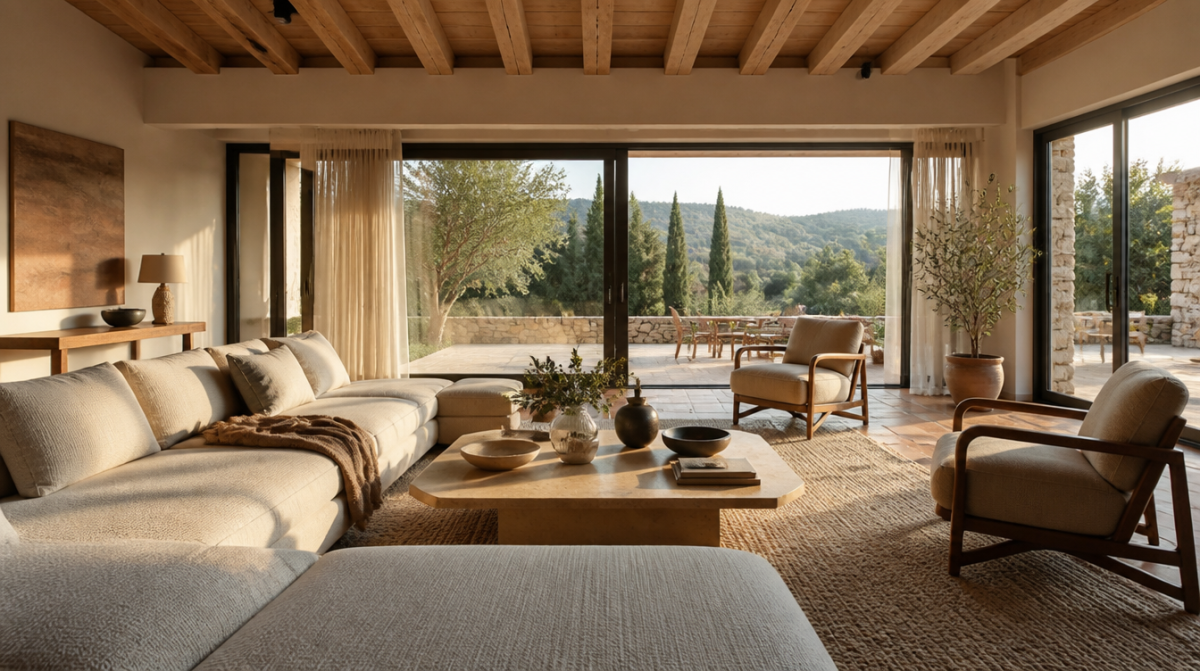
The changing pattern of second-home purchases in Italy points to one clear development: holiday properties once used for only a few periods each year have become homes that can be used more flexibly, sometimes rented out and always requiring careful management.
Seaside resorts, mountain areas, lakes and historic cities remain popular choices, but the most effective decision begins with a realistic plan. Accessibility, services, internet connectivity, visitor demand, local restrictions and maintenance costs need to be considered before panoramic views or distance from the beach.
A second home can remain a family place, become a base for remote work, or combine personal use with a guest-accommodation business. In every case, its financial viability depends on a sound match between the property, the area and the way it is intended to be used over time.
Stay in the know about living in Italy as a foreigner—get our weekly newsletter for the latest travel, legal, and lifestyle news.