Venice looks like a single fairy‑tale city floating on the water, but it is really a whole cluster of little islands stitched together by bridges. Beyond the postcard view of San Marco and the Rialto, the lagoon is dotted with other islands of Venice, each with its own character, pace and history.
The Venice lagoon and its islands
The Venetian lagoon is a shallow, brackish stretch of water opening onto the Adriatic Sea. It runs roughly from Chioggia in the south up to Jesolo in the north, with Venice itself perched in the middle like a spider in a web of canals and mudflats. When people talk about “the Venice island”, they usually mean the historic centre, but that area is actually made up of many small islands joined by hundreds of bridges.

How many islands are there in Venice?
If you ask a local how many islands there are in Venice, you will usually get a shrug and something vague like “a couple of hundred”. Depending on where you draw the line, the lagoon has around 100–120 named islands, of which maybe 30 or so are inhabited or have buildings on them.
Which Venice islands matter for visitors?
For visitors, the islands of Venice that really matter boil down to a small, manageable group. When people search for “Venice islands Italy”, they are usually thinking of Murano for glass, Burano for colourful houses, Torcello for early medieval churches, Lido di Venezia for the beach, Giudecca for local neighbourhood vibes and a few smaller spots like San Giorgio Maggiore or Sant’Erasmo.
How to get to the islands of Venice
Getting around the Venetian islands is mostly about mastering the vaporetto. These public waterbuses are the local equivalent of a bus and a bit of a sightseeing cruise at the same time.
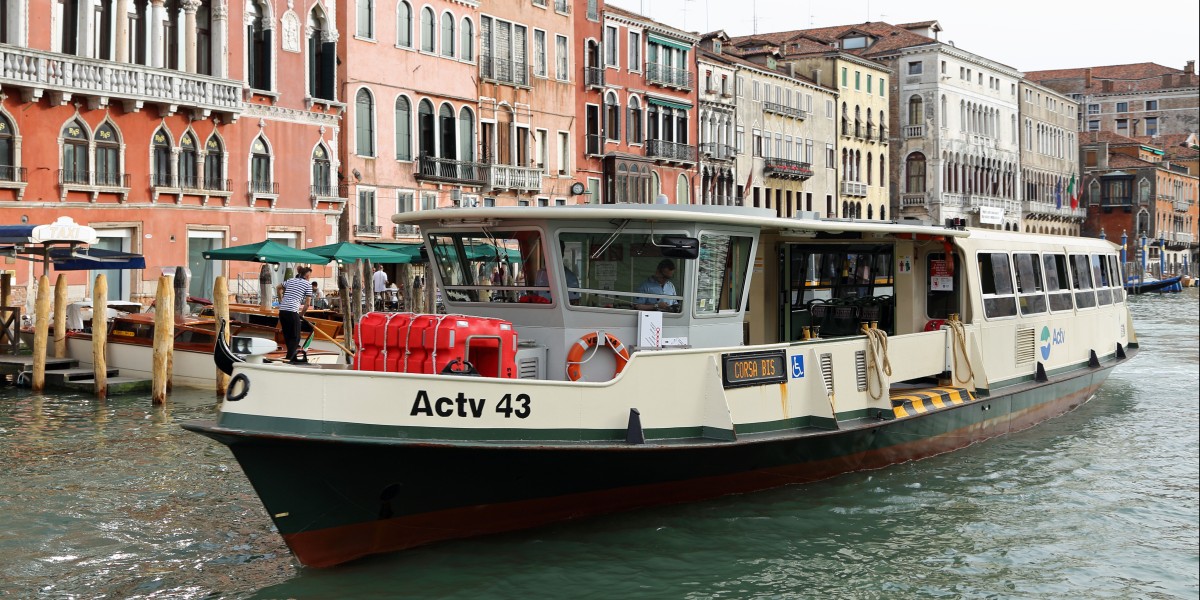
Public vaporetto lines and passes
The public transport company ACTV runs the vaporetto network across the lagoon. Boats stop at floating platforms dotted around Venice and then fan out towards Murano, Burano, Lido and other islands of Venice.
If you plan to visit a few islands near Venice in a day, a time‑based ticket is usually cheaper and more relaxed than buying single rides. A 24‑hour or 48‑hour pass gives you unlimited rides on most vaporetti, which is handy if you change your mind halfway and decide to hop off somewhere for an extra spritz.
Venice islands boat tours and organised trips
If the idea of juggling timetables stresses you out, Venice islands tours by private boat or group excursion are another option. These usually bundle together the “big three” islands near Venice in a half‑day or full‑day trip. Tours can be useful if you are short on time, travelling with someone who cannot walk much or want someone else to handle logistics.
The classic Venice islands circuit
Most people’s first introduction to the islands of Venice is a loop. The three main islands give you a good mix: craft traditions, bright village streets and one of the oldest churches in the lagoon. Once you've explored all that, check out the non-touristy things to do in Venice for something a little different.

Murano
Murano is the closest of the famous islands to Venice. For centuries, it was the guarded home of Venice’s glass industry, when furnaces were banished from the main city for fear of fires. Today, parts of it feel industrial, parts feel quietly residential, and along the main canal you get a mix of workshops, galleries and cafés.
The main things to do:
- Watch a glass‑blowing demonstration
- Browse studios for pieces that are not mass‑produced
- Duck into a couple of churches - the Basilica dei Santi Maria e Donato has a beautiful Byzantine‑style apse and mosaic floor.
- Stroll along the canal and peering into working furnaces
Burano
Burano is the island you see on Instagram, all sherbet‑coloured houses and laundry hanging over narrow canals. It started as a fishing community, and the bright paint colours are often said to have helped fishermen recognise their homes through the mist and fog.
Main things to do on Burano:
- Explore the island's lace‑making tradition. Although the industry is much smaller than it was, you will still find older women demonstrating traditional work in some shops and in the lace museum.
- Wander, sit by the water with a coffee, and maybe cross the little bridge to the quieter island of Mazzorbo, where vineyards and gardens stretch out behind the houses.
Torcello
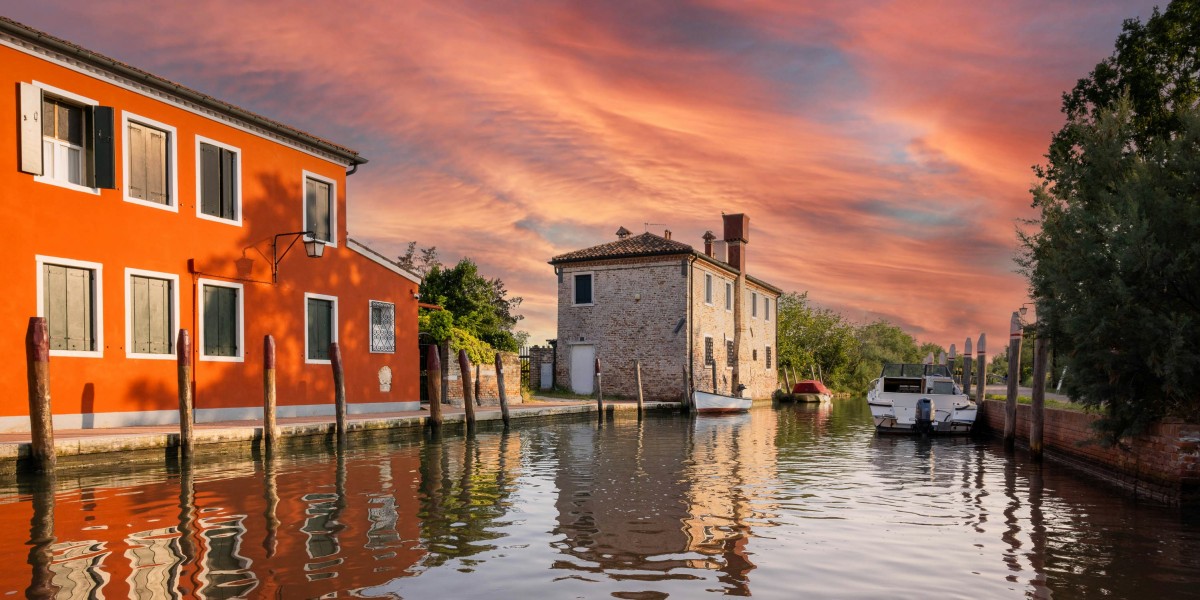
Torcello feels like the ghost of a much larger town. It was one of the earliest settled islands of Venice, long before the centre we know today became powerful. Over time, malaria, silting and trade changes emptied it, and now only a handful of people live there year‑round.
Main things to do on Torcello:
- Visit Basilica di Santa Maria Assunta, with its extraordinary Byzantine mosaics and a slightly wonky bell tower you can climb for views over the lagoon.
- Step into the smaller church of Santa Fosca, then wander along the long paths lined with reeds and fields.
Lesser‑known and specialist Venice islands
Not every island in the lagoon is a classic day‑trip stop, and there are some spots that visitors may want to skip in Venice to avoid crowds and tourist traps.
Some of these lesser-known islands are closed to casual visitors, such as the forbidden island of Poveglia. Others are open but tend to attract people with very specific interests or plenty of time to spare.
Why you can’t normally visit Poveglia island
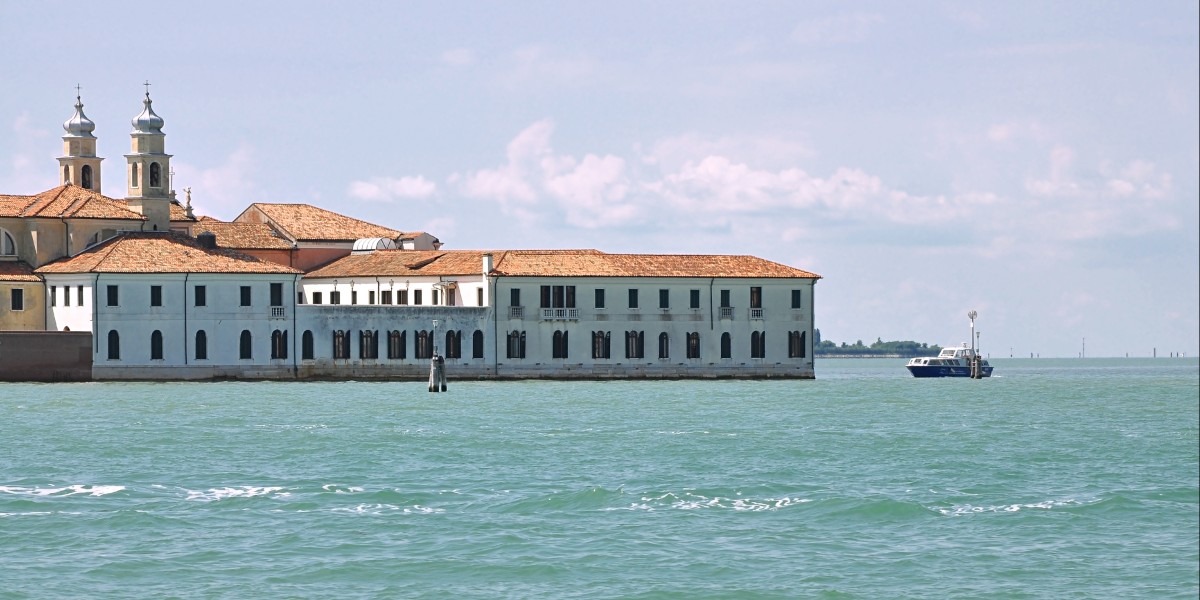
Poveglia is probably the most infamous of all the islands near Venice. It sits roughly between the city and Lido, and for centuries it was used as a quarantine station during outbreaks of plague and other diseases. Later, it became home to a psychiatric hospital, which has fed all sorts of ghost stories and urban legends.
These days, Poveglia is closed to the public, with crumbling buildings and overgrown vegetation. Officially, you are not allowed to land there, and there are safety and legal issues that make it more than just a fun bit of urban exploration.
Smaller specialist islands
Beyond the big‑name Venice islands, there are a handful of smaller, niche spots. These places show another side to life among the islands of Venice.
Sant’Erasmo, often called the “vegetable garden of Venice”, is largely agricultural, with fields, orchards and vineyards. Many of the artichokes and other produce you see in Rialto Market start life here.
San Servolo, on the other hand, has a very different history. It once housed a monastery and later a psychiatric hospital, and today it hosts a university campus, conferences and cultural events.
There are other specialist islands too, such as San Lazzaro degli Armeni with its Armenian monastery, which you can usually visit on limited guided tours.
Stay inspired for your travels in Italy —get our weekly newsletter for the latest travel, legal, and lifestyle news.