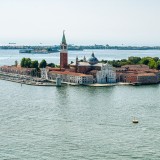
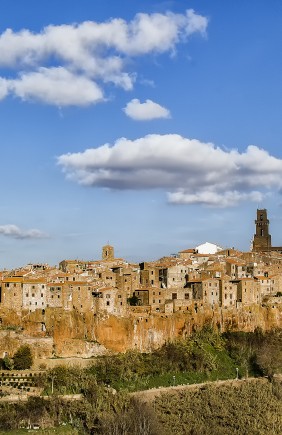
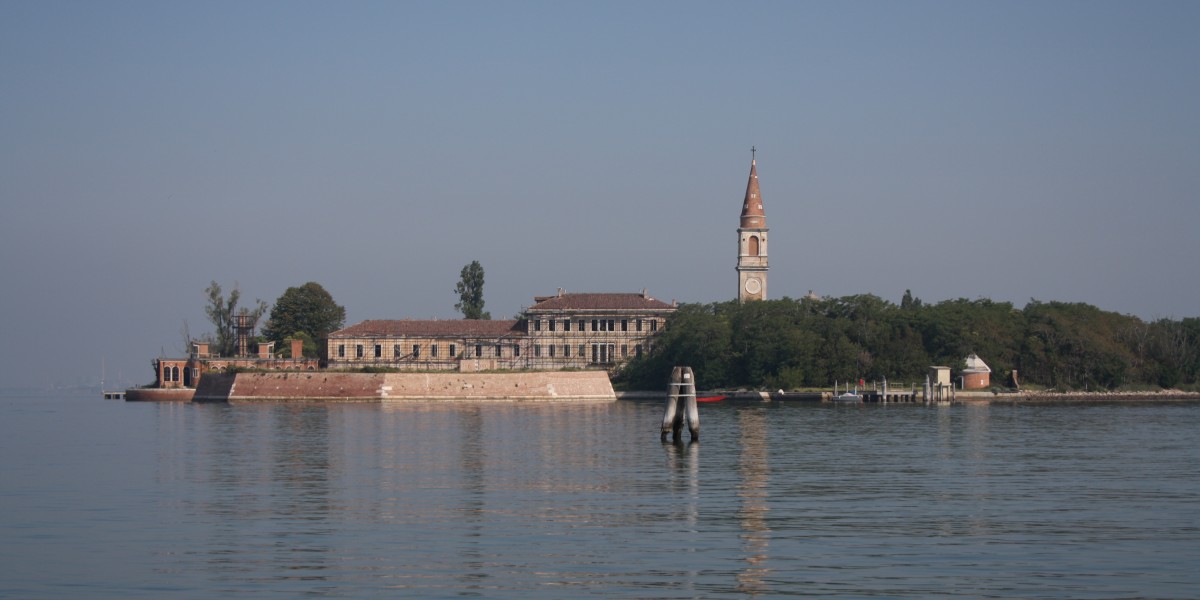
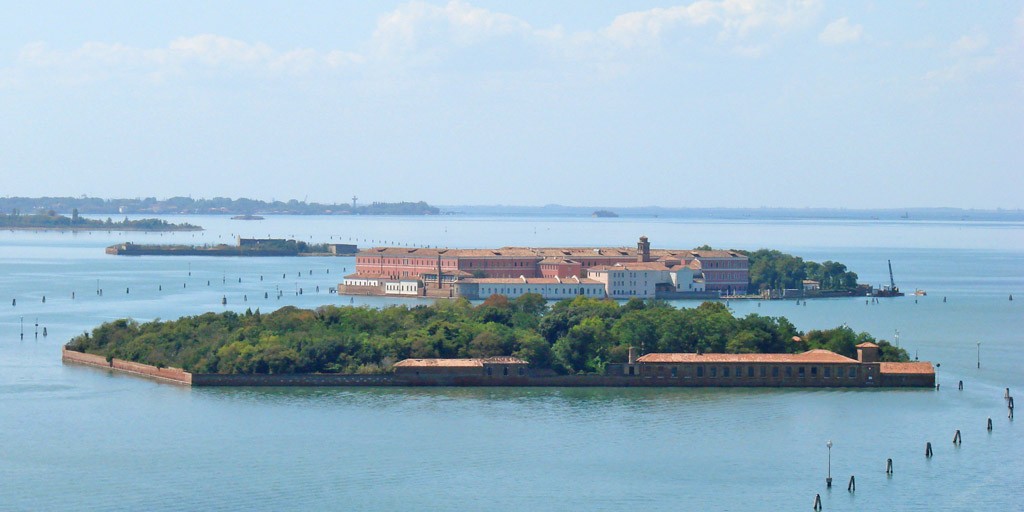
If you take a boat out into the Venice lagoon, there is a small, low island that slips by on the horizon, half‑hidden behind trees and crumbling brick. Boats pass this forbidden Venice island every day, yet almost nobody steps onto its shores now.
Poveglia island in the Venice lagoon
The island of Poveglia looks like a simple patch of land, but over the centuries it has played several different roles. Its position between Venice, the main islands and the open sea gave it real strategic importance, even though it now seems quiet from a distance.
Early life on Poveglia island near Venice
Long before tourists turned up with rolling suitcases, Poveglia island was one of many small lagoon communities. Families fished, farmed what they could and used the island as a base close enough to Venice for trade. As Venice grew in power and needed to control the approaches to the city, Poveglia’s location made it a useful outpost.
Crisis years on Poveglia
Like many spots around Venice, Poveglia’s story changed most dramatically in periods of crisis.
- From the late 18th century, it was used as a quarantine station where ships, crew and suspected plague cases were held before they could enter the city.
- During later outbreaks of infectious disease, it again served as a medical isolation site, keeping the sick and the “not yet sick” away from the crowded centre.
- In the 20th century, parts of the island were turned into psychiatric and long‑stay institutions, as authorities used remote islands to confine patients and people they did not want in the heart of the city.
Can you visit Poveglia island today?
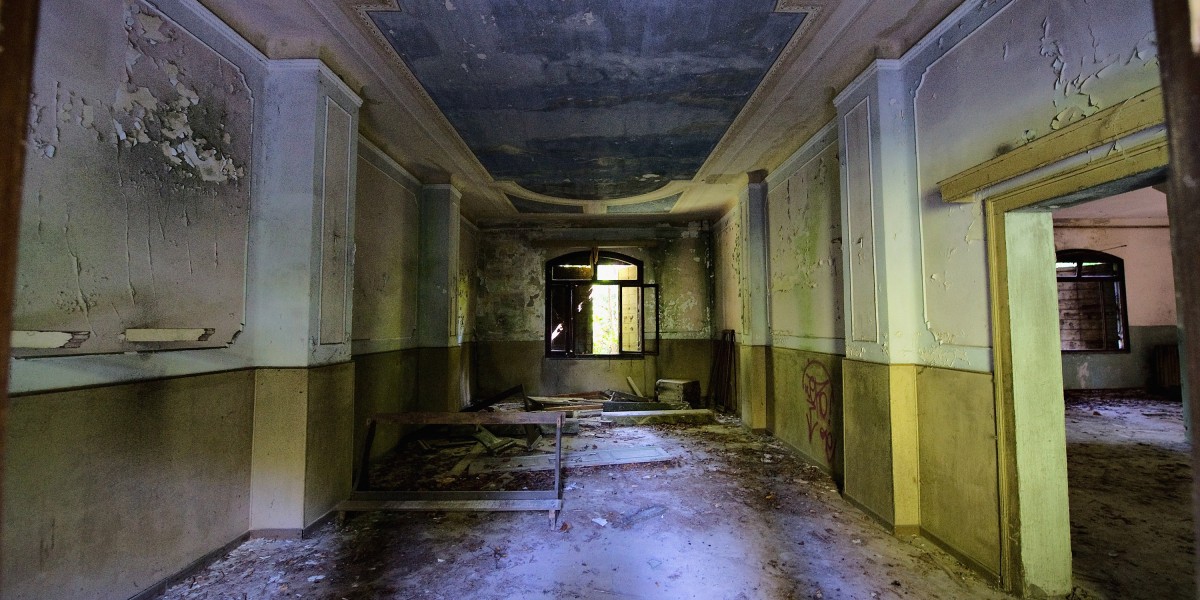
Many of the buildings on Poveglia are in poor condition, with collapsing roofs, loose masonry and overgrown courtyards that hide all sorts of hazards. There are no services in place for the public, no safe paths laid out, and no official tours running. For these reasons, it is forbidden to visit the island without permission.
Who controls Poveglia and what is planned for it
Poveglia belongs to the Italian state, and over the years, there have been several attempts to find a new use for it. Proposals have ranged from private redevelopment and hospitality projects to more community‑led ideas focused on nature and memory. However, there is nothing concrete in the pipline at the moment.
How Poveglia became the ‘forbidden island’ of Venice
These days, Poveglia is better known for its reputation than for anything that actually happens there. Its closed status, decaying buildings and history of isolation have turned it into the island many people talk about, but almost nobody visits.
Ghost stories and legends of the haunted island in Venice
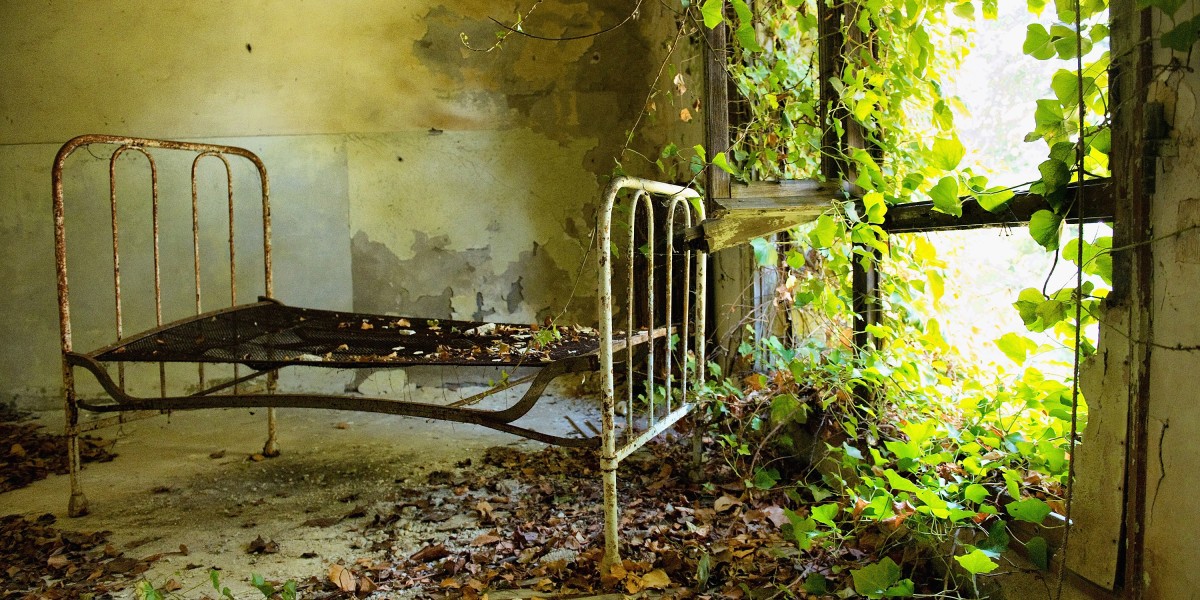
Over the years, stories about Poveglia have grown into a kind of modern folklore. Travellers talk about it as a haunted island near Venice, with tales of strange noises, unsettling feelings and lights in empty windows.
The real history behind Poveglia’s dark reputation
Behind those stories lies a much more grounded explanation. Official records and family memories point to generations of Venetians who saw relatives sent to Poveglia during outbreaks of disease or other crises, often with little choice. For many locals, the island is less a spooky backdrop and more a quiet reminder of those hard episodes, which gives its reputation a seriousness.
Other Venetian islands with a past
Several lesser-known islands near Venice share parts of this history, even if they feel very different to visit today. San Servolo, for instance, once housed a psychiatric hospital and now hosts a university campus. San Lazzaro degli Armeni became an important Armenian monastic centre, with a famous library, and Sant’Erasmo went in a more agricultural direction, growing vegetables and vines that still feed the city’s markets.
Stay inspired for your travels in Italy —get our weekly newsletter for the latest travel, legal, and lifestyle news