Italy's national cuisine has now been added to UNESCO’s Intangible Cultural Heritage list. On 10th December 2025, a UNESCO committee voted unanimously to recognise “Italian cooking” as cultural heritage in its own right.
What the UNESCO recognition of Italian cuisine means
At first glance, “UNESCO status” sounds like something that should be given to the Colosseum or Pompeii, not a pot of tagliatelle al ragù. The key is that this is the Intangible Cultural Heritage list, which covers living practices, skills and rituals rather than bricks and stone. Italian cooking now sits there alongside things such as Diwali, Iceland’s swimming‑pool culture and Korean kimchi‑making.
"The practice is rooted in anti-waste recipes and the transmission of flavours, skills and memories across generations", UNESCO
The bid talks about cooking “as an act of love”, not just a collection of recipes. UNESCO highlights low‑waste dishes and transmitting flavours, knowledge and memories from one generation to another. It also frames Italian cooking as something that promotes social inclusion, well‑being and lifelong learning. On paper, UNESCO insists it does not recognise an entire “national cuisine”, but in practice, the Italian inscription is unusually broad, which is exactly why it has made headlines.

Why Italian cuisine was added to the UNESCO list
The Italian government launched the bid in 2023 and ran a three‑year campaign led by the Agriculture Ministry. Their dossier painted Italian cooking as “a complex and stratified daily practice” tied to what they call “living gastronomic landscapes” – basically, the mix of land, climate and culture that shapes how Italians grow, cook and eat.
What makes this UNESCO inscription stand out is the scope of Italian cuisine
What makes this inscription stand out is its scope, even compared with famous entries such as the French “gastronomic meal” or Mexican traditional cuisine. UNESCO has already recognised specific food techniques or patterns, but international experts involved with the body have called the Italian case “truly the first” in terms of how broadly it defines a cuisine. The bid does not focus on one region, dish or ritual, but asks UNESCO to see the whole patchwork as one shared heritage.

Italian cuisine as living culture
Spend a bit of time in Italy, and you quickly realise that the real action is not in Michelin‑starred dining rooms but around kitchen tables and in busy family trattorie. UNESCO’s wording mirrors this, framing Italian cooking as a “community activity” that strengthens social bonds and gives people a sense of belonging. Cooking is described as a way of caring for yourself and others, a way to rediscover roots and tell stories about who you are and where you come from.
a “community activity” that strengthens social bonds and gives people a sense of belonging.
Italian cooking know‑how and craftsmanship
Behind those apparently effortless plates, there is a lot of quiet skill. Much of it is learned at home long before anyone steps into a professional kitchen. Think of the feel for pasta dough, the judgment for when a risotto is all’onda, or the instinct about how far you can stretch leftovers into the next day’s meal.
These things are not always written down, and the traditional Italian dishes vary from one valley to the next. In Italian families, an enormous amount of this know‑how passes informally between grandparents, parents and children. Anti‑waste recipes are part of the craft too, using stale bread in soups, salads or puddings, and turning odds and ends into something you genuinely look forward to eating.
Italian food traditions across the regions
One of the reasons Italian cooking is hard to pin down is that it changes so much as you move around the map and through the year. The UNESCO inscription leans into this, treating the diversity of regional food cultures as something that makes Italian cuisine richer, not messier.
Many Italians feel more attached to their regional identity than to a generic national cuisine, yet all these strands belong under one umbrella. For travellers and new arrivals, that is a quiet invitation to look beyond Rome, Florence and Venice and spend time in smaller towns and rural areas, where these seasonal and regional food rituals are at their strongest.

Italy’s UNESCO food heritage and agri‑food record
Italian cooking has not arrived on the UNESCO stage alone. Italy is already one of UNESCO’s most decorated countries when it comes to living traditions, with 21 elements on the Intangible Cultural Heritage list. Nine out of those 21 have a clear agri‑food link, which gives Italy a world record in terms of how much of its recognised heritage is tied to how people grow, process and share food.
Alongside this new inscription for Italian cuisine, Italy already has several food‑related traditions on UNESCO’s intangible list, including:
- The art of Neapolitan pizza‑making
- Cultivation of the Pantelleria zibibbo vine
- The Mediterranean diet
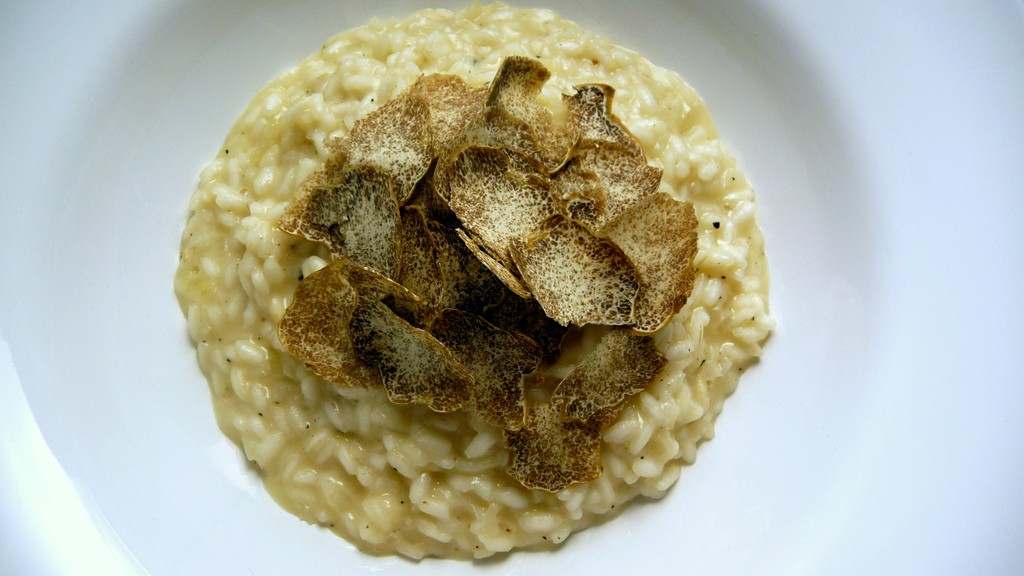
- Truffle hunting and extraction
Italian cuisine and Italy’s broader UNESCO World Heritage sites
On top of the intangible list, Italy has the highest number of UNESCO World Heritage Sites. These include art‑packed city centres to terraced wine regions and volcanic islands.
You might visit an underrated UNESCO‑listed Baroque town in the morning, then sit down nearby to eat dishes that only really make sense because of the landscape and climate that surround them. That is the “biocultural” side of Italian food that the bid talks about.
Quality vineyards that produce local wines, olive groves on ancient terraces, cheese‑making traditions in Alpine valleys, UNESCO fishing communities on the coast – all of these sit alongside more obviously photogenic monuments.

Politics, pride and controversy around UNESCO‑listing Italian cooking
Unsurprisingly, the decision has triggered as much politics as prosecco. Giorgia Meloni called the recognition “a distinction that can only make us proud” and stressed that for Italians, cuisine is “culture, tradition, work and wealth” as much as food.
“a distinction that can only make us proud”
The government sees very real money behind that statement, pointing out that Italian cuisine is worth something like €250 billion worldwide and that Italy already exports around €70 billion in agri‑food products each year. Industry groups claim the UNESCO label could lift tourism by up to 8% over the next two years.
A big part of the motivation is also defensive. Officials talk openly about using the inscription as a tool in the long‑running battle against “fake” Italian food and “Italian‑sounding” products. These include “parmesan” made outside Europe, jars of industrial carbonara sauce and dubious “olive oil” trading on Italian branding.
a lively debate about what “authentic” really means
Critics such as food historian Alberto Grandi question why Italy is singled out when countries like China have even older and more varied food cultures, and raise the point that a lot of what we now call “Italian cuisine” took shape after the Second World War, shaped by migration and globalisation.
Somewhere between the pride and the pushback, there is a lively debate about what “authentic” really means in a living, changing food culture that now carries the UNESCO seal.
For anyone who enjoys digging into Italy through its food, it’s worth exploring more of the country’s regional dishes, not just the classics you already know.
And stay inspired for your foodie travels in Italy —get our weekly newsletter for the latest travel, legal, and lifestyle news.