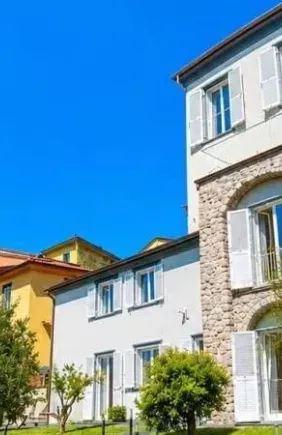
A 2026 feature by Fabio Belmonte identifies five spots as Italian destinations where regional food and place are closely tied. The appeal is not simply a good lunch. In each case, the local specialities reflect the surrounding farms, forests, mountain pastures and long-established food traditions.
Five places to eat like a local in Italy
Bra, Piedmont
Bra, in the province of Cuneo, has long been an important meeting point for food producers and curious eaters. It is the birthplace of Slow Food and the University of Gastronomic Sciences, and it hosts the periodic Cheese event, which brings together cheese makers from across Europe.
The town offers an accessible introduction to Piedmont’s cheeses through its shops, markets and osterie. Cow’s, goat’s and sheep’s milk all have a place on local counters, with the landscape changing quickly as the road heads towards the mountains.
Castelmagno, Piedmont
In the Valle Grana, the scattered mountain hamlets of Castelmagno sit among pastureland and alpine dairy farms. This is the setting for Castelmagno DOP, a protected cheese whose flavour develops noticeably as it matures.
Younger cheeses can be gentle and milky, while longer-aged examples become more powerful and may develop blue notes. The drive through the Cuneo mountains is part of the experience, although mountain roads make short distances on a map feel rather less short in real life.
Norcia, Umbria
Norcia has lent its name to norcineria, Italy’s tradition of pork butchery and cured-meat making. Local shops sell hams, sausages and lonze, reflecting skills developed over generations in this part of the Apennines.
Prosciutto di Norcia IGP is the best-known local product, though the designation applies only to ham made under its defined geographical and production rules. Norcia also has close historical ties with Saint Benedict, patron saint of Europe. The town sits beside the Monti Sibillini National Park, with the Castelluccio plateau among the best-known nearby areas.
Acqualagna, Marche
Acqualagna, in the province of Pesaro and Urbino, centres much of its food identity on truffles. Its National White Truffle Fair takes place between late October and November, when the prized white truffle, Tuber magnatum Pico, takes centre stage.
Truffles grow underground in association with certain tree roots, and their availability depends on woodland conditions, rainfall, soil moisture and temperatures. Trained dogs are used to find them, while regional regulations govern harvesting and sales.
A few kilometres away, the Gola del Furlo is a limestone gorge shaped by the Candigliano River and crossed in Roman times by the Via Flaminia.
Pienza, Tuscany
Pienza pairs food with one of Tuscany’s most carefully planned historic settings. In the 15th century, the future Pope Pius II transformed the medieval settlement into a Renaissance ideal city. Its historic centre is now a UNESCO World Heritage Site.
The local cheese is Pecorino di Pienza, rooted in the sheep farming of the surrounding hills. Small-scale producers make fresh, semi-aged and mature versions, with some rinds treated using grape pomace or aromatic herbs.
The wider Val d’Orcia, also UNESCO-listed as a cultural landscape, brings together the pastures behind the cheese, hilltop farms, cypress-lined lanes and the agricultural life that continues to shape the area.
Source: “Borghi belli da vedere e ancora meglio da assaggiare: 5 mete italiane per veri golosi”