In recent years, the map of global wealth has shifted at unprecedented speed. By 2025, international mobility among High Net Worth Individuals (HNWIs) reached record levels, reshaping economic, real estate, and social landscapes. The Savills HNWI Hotspot Index, analysed alongside the Spotlight on Wealth Trends report, tracks nearly one hundred destinations worldwide across six key pillars: economic environment, competitiveness, quality of life, family services, privacy, and wealth management.
- Global wealth growth favours lifestyle choices
- Italy: a rising star on the global wealth map
- Flat tax incentives and international appeal
- Iconic properties and trophy assets
- Evolving real estate preferences of HNWIs
- Lifestyle as the ultimate asset
- Family, education, and infrastructure
- Safety, privacy, and digital security
Global wealth growth favours lifestyle choices
After the 2022 slowdown, global wealth is surging. In 2024 alone, more than 680,000 new millionaires were recorded, and by 2029, an additional 5 million are expected. Billionaires’ wealth is also outpacing financial markets, having grown 121% over the past decade compared with 73% for the MSCI World Index. This wealth boom is accompanied by a major shift in priorities: fewer divestments, broader diversification, and greater emphasis on quality of life and the personal enjoyment of assets. Luxury properties are increasingly viewed not just as investments, but as “living ecosystems,” combining wellbeing, security, space, and privacy.
Italy: a rising star on the global wealth map
Italy has emerged as one of the most attractive destinations for the super-rich. The country’s appeal lies in its unique combination of exceptional quality of life, rich culture, world-class cuisine, and breathtaking landscapes—the famed “Italian way of life”—enhanced by safety and favourable tax policies for foreign residents willing to make Italy their home.
Rome, Milan, and Tuscany are all firmly placed in the global Top 30 for attractiveness. Rome ranks 19th, Tuscany 22nd, and Milan 23rd, with Milan and Rome also recognised as rising European hotspots, thanks to their thriving prime property markets and growing urban infrastructure.
Flat tax incentives and international appeal
Italy’s flat tax regime—a €200,000 annual tax on foreign income for those relocating their fiscal residence—has been a game-changer, significantly boosting the country’s appeal to foreign buyers. In Costa Smeralda, international clients now account for up to 80% of prime property transactions. Milan, meanwhile, continues to be Italy’s premier urban investment hub, offering a dynamic ecosystem of design, fashion, innovation, and global connectivity.
Iconic properties and trophy assets
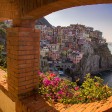
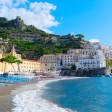
Italy remains a top choice for trophy properties. Lake Como and the Amalfi Coast are among the world’s most sought-after destinations for historic residences, prized not only for their intrinsic value but also as symbols of cultural identity.
Evolving real estate preferences of HNWIs
Savills highlights several trends shaping Italy’s luxury property market:
- Larger homes, greater privacy, and nature
Second homes are increasingly used as extended-stay residences, enabled by remote work. Buyers now seek properties two to three times larger than before, with outdoor spaces, full privacy, swimming pools, spas, and integrated wellness facilities. - Turnkey luxury
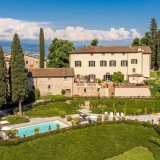
Move-in-ready homes are the preferred standard, with impeccable construction quality and aesthetics. Tuscany is seeing strong international demand for restored villas, while Milan’s branded prime apartments with concierge services are increasingly coveted. - Generational wealth planning
By 2030, over $18 trillion is expected to transfer from Baby Boomers to Millennials and Gen Z, driving demand for sustainable homes, smart technologies, rapid connectivity, and cities with a strong cultural identity. Italy’s combination of lifestyle, culture, and innovation positions it strongly for this new generation of investors.
Lifestyle as the ultimate asset
Lifestyle now drives investment decisions. While London remains a global lifestyle capital, experiential destinations like Gstaad, Courchevel, and Tuscany are gaining prominence. Tuscany, in particular, ranks among the top 20 global lifestyle destinations, excelling in fine dining—including numerous Michelin-starred restaurants—luxury hotels, wellness, nature, and a globally recognised cultural identity.
Family, education, and infrastructure
For HNWIs, family priorities are crucial. Italy performs strongly in education, with Rome and Milan ranked in the global Top 20 for international schools, with 28 and 23 institutions respectively. This positions both cities among Europe’s leading educational hubs, enhancing their appeal for international families.
Safety, privacy, and digital security
Security is now a top priority, including cyber risk, digital privacy, smart homes, and integrated physical protection. Italy benefits from EU regulations (GDPR) and a safe environment, ranking highly for privacy, especially compared with Asian and American markets.
In short, Italy is no longer just a cultural jewel; it is a rising powerhouse for global wealth, combining lifestyle, luxury, and opportunity like no other destination.