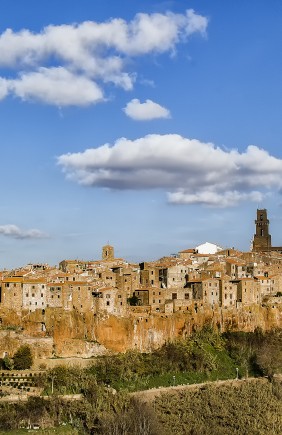
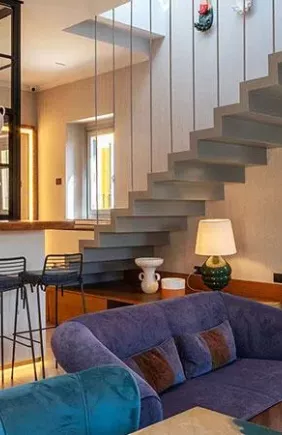
There’s something irresistible about old Tuscan stone houses or faded townhouses in Sicily — but romance aside, restoring one is not just about choosing cute tiles and sipping espresso on a terrace.
Before getting carried away, it’s worth taking a clear-eyed look at the pros and cons of renovating a house in Italy. Whether it’s a 1 euro scheme or a countryside fixer-upper, renovating here can be rewarding, stressful, bureaucratic and brilliant.
Why renovate an old house in Italy?
You can buy below market value
One of the biggest advantages of buying a house to renovate in Italy is the price. Properties in need of work often cost significantly less than move-in-ready homes, especially in rural areas and small villages.
Buyers can be drawn in by the latest 1 euro houses in Italy, where municipalities are still trying to revive depopulated historic centres.
Even beyond headline-grabbing schemes, there’s steady demand for cheap property in Italy for sale under €100k, particularly in southern regions where depopulation has kept prices relatively low.
Total personalisation
If you renovate, you’re not stuck with someone else’s questionable 1980s tiles or strange room layouts. Instead, you can explore ideas for renovating and go with your unique style.
Find inspiration and the possibility to:
- Open up dark spaces into light-filled kitchens
- Restore original beams, stone walls or vaulted ceilings
- Add energy-efficient systems and modern insulation
- Create a home office, guest annex or rental unit
Preserving history and architecture
This is the romantic bit, but it’s also meaningful. Renovating an old house in Italy often means protecting historic features like terracotta floors, wooden shutters and thick stone walls.
In many towns, especially those with protected historic centres, restoration helps preserve local identity. You’re not just buying a house, you’re becoming part of a community’s story.
Buying a house to renovate in Italy: advantages and disadvantages
The advantages
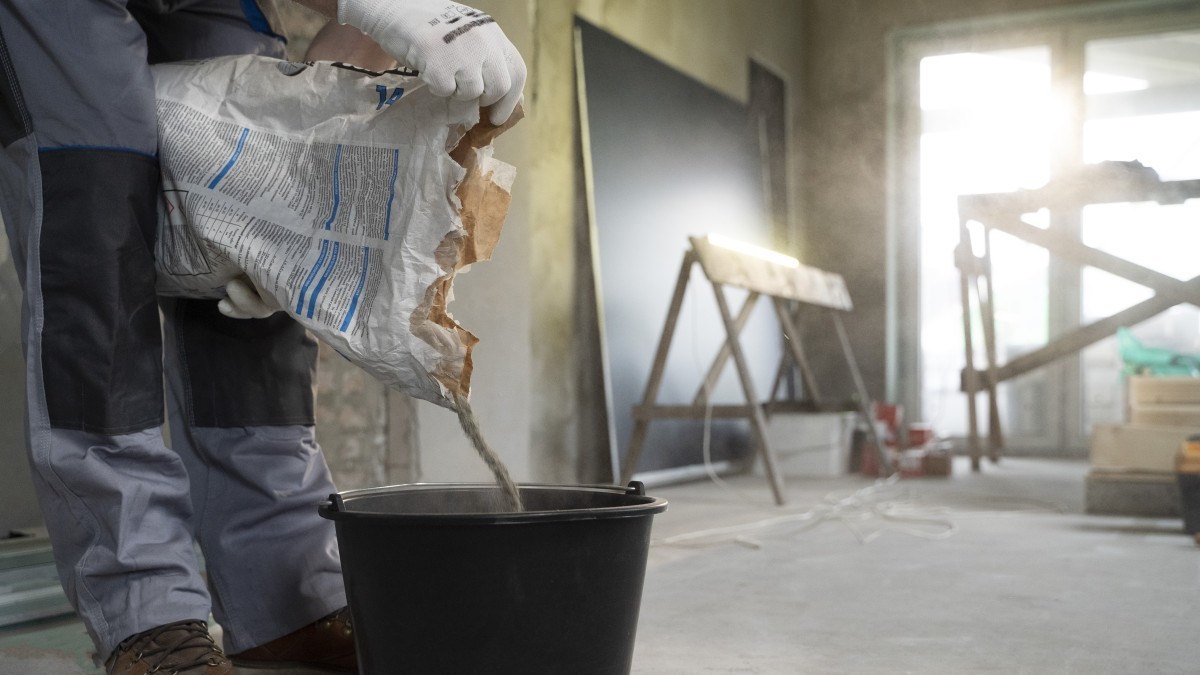
Some of the main benefits of buying a property to renovate in Italy include:
- Lower purchase price compared to newly renovated homes
- Potential to increase property value significantly after works
- Flexibility in layout and design
- Possibility of accessing renovation incentives, such as the €100,000 grant offered in Trentino, or tax deductions
The disadvantages
But — and it’s a big but — renovating in Italy isn’t always straightforward.
- Unexpected structural issues: damp, unstable foundations, outdated wiring
- Planning restrictions, especially in historic centres
- Slow bureaucracy and permit approvals
- Higher-than-expected building costs
- Delays (Italian timelines can be… flexible)
It’s essential to get a proper technical survey (perizia tecnica) before buying. And you’ll need a geometra, architect or engineer to manage permits and ensure everything complies with local regulations.
How much does it cost to renovate a house in Italy in 2026?
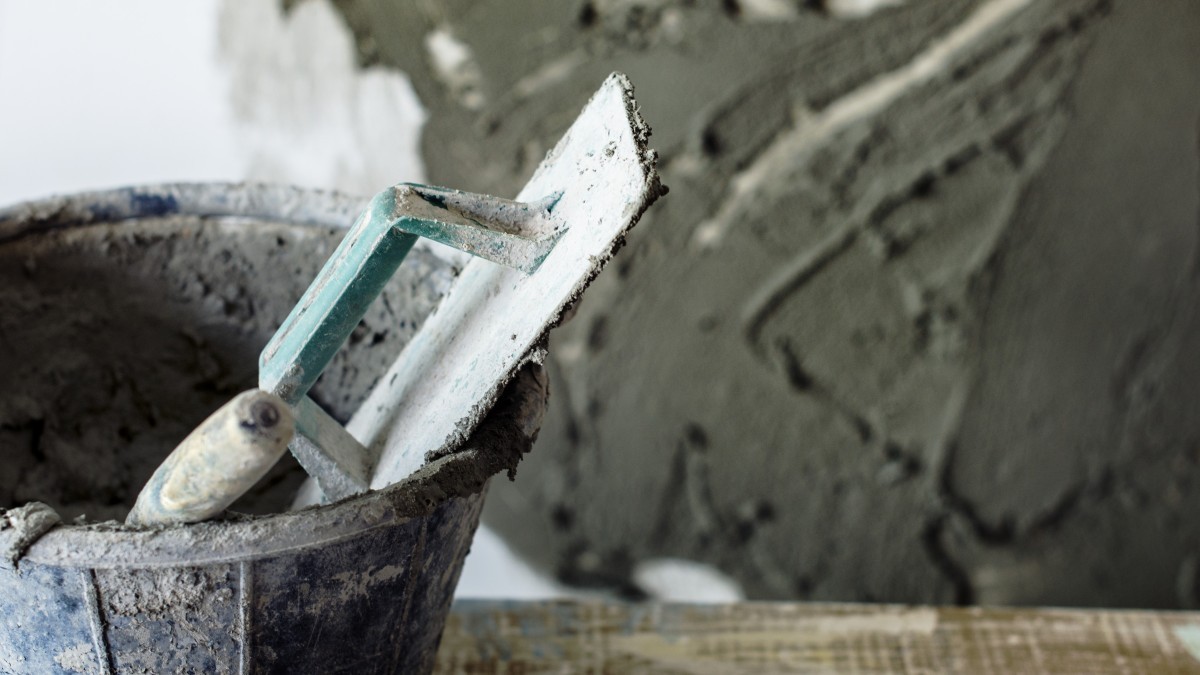
Renovation costs in Italy vary significantly depending on the condition of the property, location and level of structural work required.
Based on contractor pricing published by platforms, a full renovation ranges between €1,000 and €1,800 per m². Light cosmetic updates may fall below this range, while structural restoration, seismic upgrades or heritage-protected buildings can exceed it.
To put that into perspective, renovating a 120 m² property could cost:
- Around €144,000 at €1,200 per m²
- Around €216,000 at €1,800 per m²
Professional fees, permits and VAT are usually additional. Costs also tend to be higher in northern cities than in rural southern areas.
Is renovating a 1 euro house in Italy worth it?
The famous 1-euro houses are real, and you can browse a current map of houses in Italy in 2026 to see which towns are participating.
But they’re rarely simple. If you’re seriously considering buying a house for 1 euro in Italy, the process usually involves much more than handing over a coin.
Some of the top places in Italy to buy a 1 euro house in 2026 are small, rural towns trying to reverse depopulation, which means you’ll need to be realistic about services, job opportunities and year-round life.
Once you factor in renovation works, professional fees and compliance with local rules, the total investment often climbs into the tens of thousands of euros. It can be worth it — especially if you genuinely want rural Italian life — but it isn’t a shortcut to a free Tuscan villa.
Stay in the know about living in Italy as a foreigner—get our weekly newsletter for the latest travel, legal, and lifestyle news.
For a taste of the high life, sign up for the monthly luxury market round-up.