Italy’s late-autumn sweets have far deeper roots than costume parties and pumpkin carving. Around Ognissanti on 1 November and Commemorazione dei Defunti on 2 November, bakeries and family kitchens prepare recipes linked to memory, harvest season and local folklore.
The names can sound a little macabre, but most are properly comforting: almonds, chocolate, cooked wheat, dried fruit and warming spices are the main event. Regional recipes differ wildly, so the same occasion can mean a soft chocolate nougat in Naples or a marzipan fruit in Sicily.
Frutta martorana
Frutta martorana is Sicily’s famous marzipan shaped and painted to resemble tiny fruits, vegetables and occasionally seafood. It is especially associated with Palermo and the Feast of the Dead, when pastry-shop windows fill with glossy miniature pears, lemons, figs and oranges.
The level of detail can be astonishing. A tray of frutta martorana can look like a market stall at first glance, until the first piece reveals itself as almond paste.
Ossa di morto
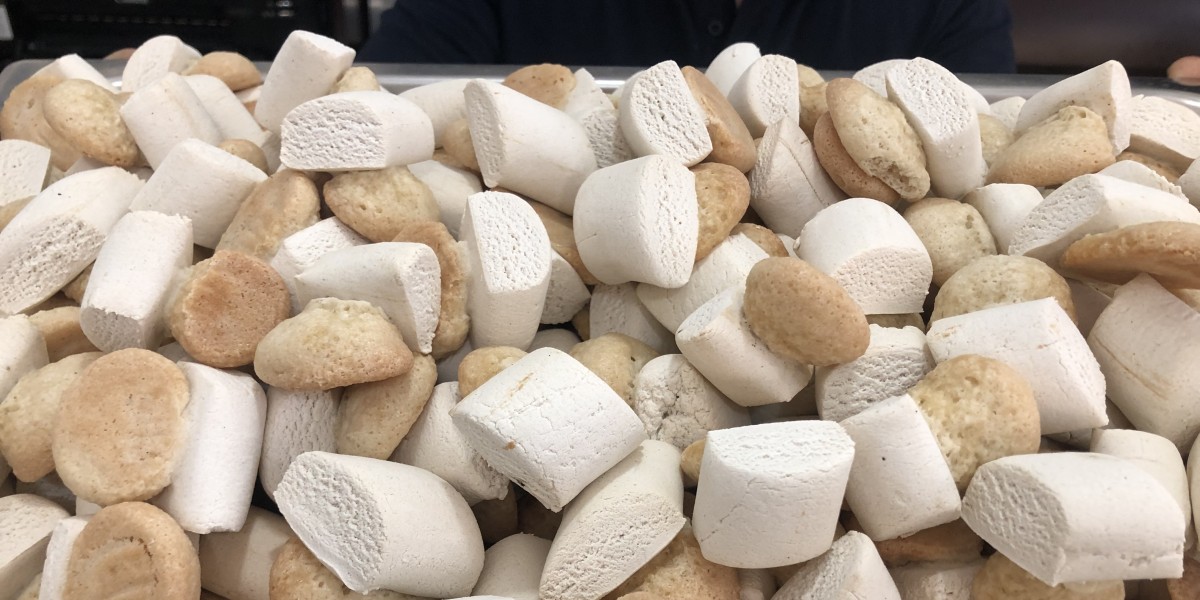
Ossa di morto, or “bones of the dead”, are hard, pale biscuits with a darker, chewy or caramelised base. They are made around the Feast of the Dead in Sicily, where the first days of November are particularly tied to family traditions.
Their bone-like shape is deliberately eerie, but the flavour is more sweet almond than spooky. Some versions are very firm, so they are best approached with care rather than an ambitious first bite.
Fave dei morti across central and northern Italy
Fave dei morti are small almond biscuits traditionally associated with All Souls’ Day. Their name means “beans of the dead”, a nod to the broad beans once linked with the souls of ancestors in ancient Roman custom.
Most versions are pale, round and crisp, though recipes change between regions. In Veneto, they may appear in white, pink and brown versions, flavoured with almond, vanilla and cocoa.
Torrone dei morti
Torrone dei morti is a soft, chocolate-coated confection popular in Naples and elsewhere in Campania around 2 November. It is usually filled with a creamy mixture containing hazelnuts, pistachios, biscuits or other treats.
It has little in common with the hard, nougat-style torrone found at Christmas. The name can sound severe, but it is one of the season’s most indulgent bakery counter finds.
Pan dei morti in Lombardy
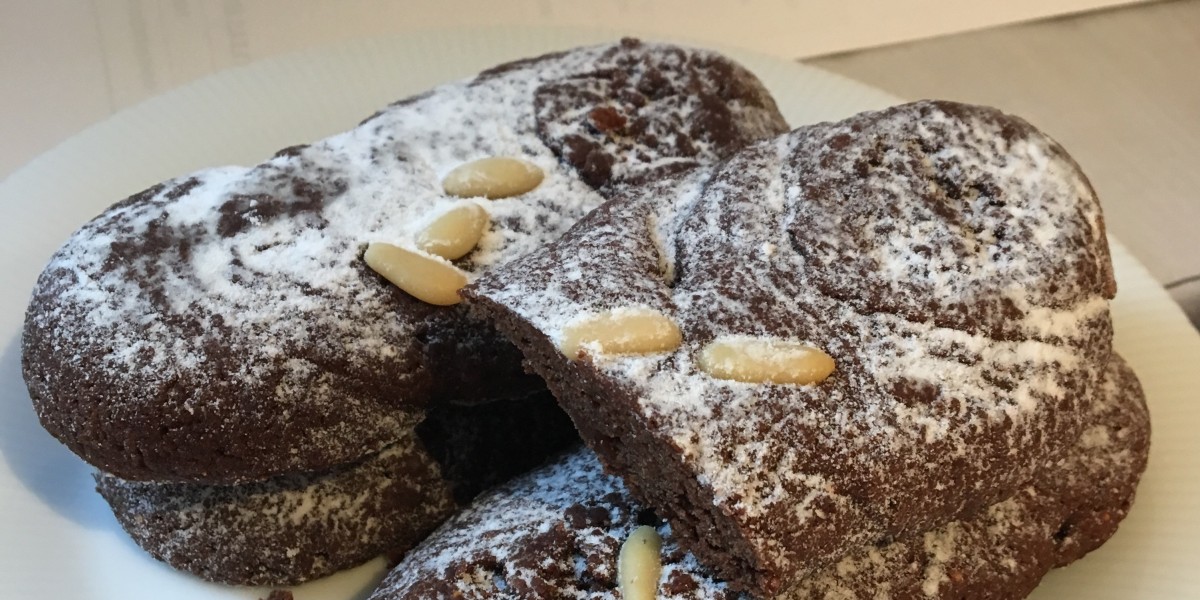
Pan dei morti, literally “bread of the dead”, is a dark, soft biscuit made with cocoa, crushed biscuits, almonds, dried fruit and spices. It is especially common in Milan and across Lombardy around All Souls’ Day, usually eaten with coffee or a small glass of sweet wine.
Despite the name, it is more biscuit than bread. Recipes vary from bakery to bakery, and some families add a dash of rum or vin santo for extra warmth.
Colva
Colva is a traditional dish from Apulia, particularly associated with the Feast of the Dead. Cooked wheat is mixed with walnuts, pomegranate seeds, dried fruit, chocolate and vincotto, a dark, sweet syrup made from cooked grape must.
It is often served cold and has a pleasing mix of chewy, crunchy and juicy textures. The wheat symbolises continuity and rebirth, which gives the recipe a meaning beyond its sweet, autumnal flavour.
Pan co’ santi
Pan co’ santi is a sweet, yeasted bread associated with All Saints’ Day in Tuscany, especially around Siena. It contains walnuts, raisins, black pepper and spices, and some versions include a little olive oil or red wine.
The pepper is the quirky bit. It sounds odd on paper, but it cuts through the sweetness and makes the loaf particularly good with cheese or a glass of vin santo.
Pupi di zucchero
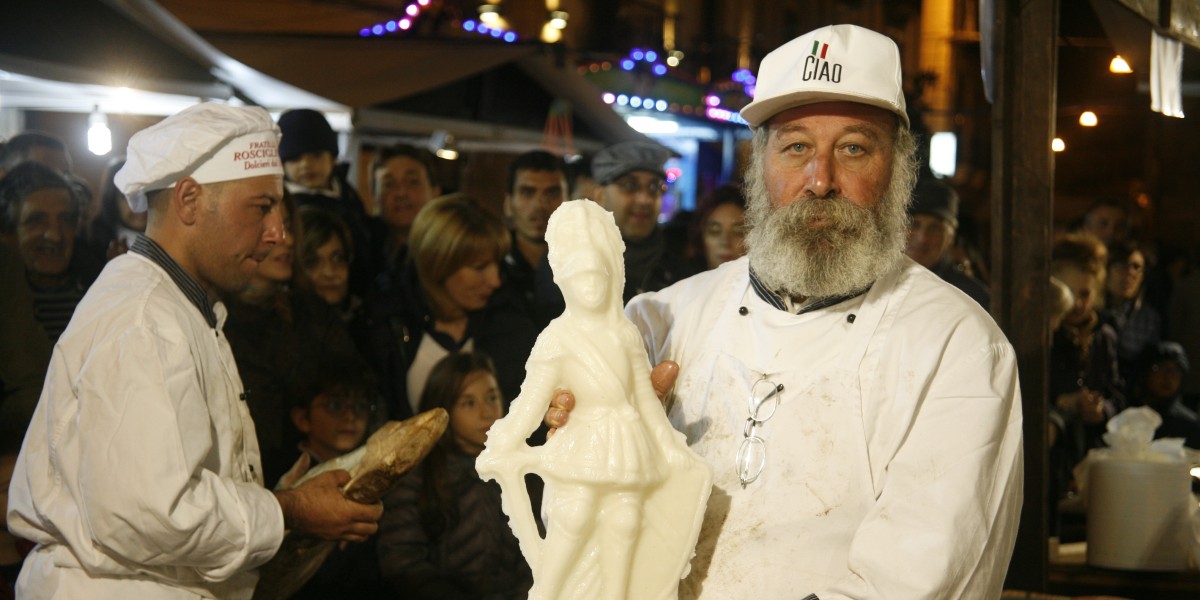
Pupi di zucchero are brightly coloured sugar figures traditionally given to children in Sicily during the Feast of the Dead. The figures may depict knights, saints, dancers or characters from Sicilian folklore, and they are often displayed alongside other seasonal sweets.
They are sometimes called pupaccena in Palermo. Their theatrical colours make them more like edible ornaments than an everyday sweet, and many children are understandably reluctant to break them.
Schiacciata dei santi
Schiacciata dei santi is another Tuscan November bake, usually flatter and softer than pan co’ santi. Raisins, walnuts and spices recur here too, giving it the feel of a very good autumn fruit bread.
The word schiacciata means “flattened”, describing its squat shape. It is a seasonal staple around Florence and other Tuscan towns, though ingredients and textures vary between local bakeries.
Is Animeddas and Su Mortu Mortu
In parts of Sardinia, Is Animeddas and Su Mortu Mortu are old All Souls’ customs involving children going door to door to collect food or small offerings for departed souls. The tradition is sometimes compared with trick-or-treating, but it has its own religious and community context.
The treats collected may include nuts, fruit, biscuits or homemade sweets, depending on the town. It is a useful reminder that door-to-door autumn rituals existed in Italy long before imported Halloween customs became widespread.
Stay inspired for your adventures in Italy —get our weekly newsletter for the latest travel, legal, and lifestyle news.