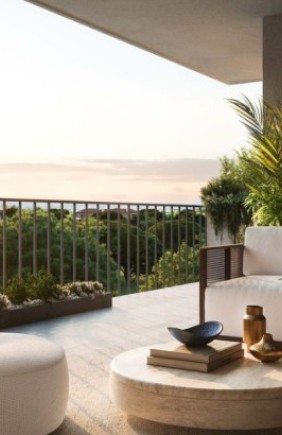
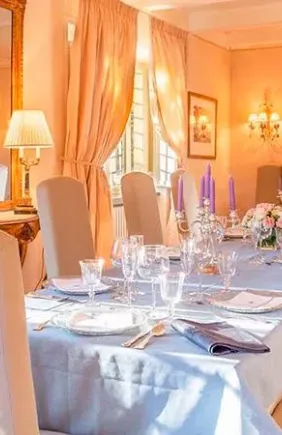
John Grisham has bought a historic villa in Cortona, putting a familiar overseas-buyer dream back in the spotlight: an Italian country home with plenty of history, a manageable lifestyle and enough modern comfort for year-round use.
The news comes as interest in country houses and villas in Tuscany and Umbria increases among buyers from the United States, the UK, Germany, Scandinavia and France.
- Why foreign buyers are looking at Tuscany and Umbria
- The Italian flat tax for wealthy new residents
- What international buyers want from a Tuscan casale
- Where demand is strongest in Tuscany
- The reality of a turnkey country house in Italy
- Salento, Sicily and the Langhe are gaining attention
- Country houses with vineyards
Why foreign buyers are looking at Tuscany and Umbria
A Tuscan casale can work as a second home, a seasonal rental property or a base for a temporary family move. In practice, the most useful homes are those close enough to daily essentials, schools and transport links to make longer stays feasible.
The rural property market is increasingly split between homes that are ready to use and those requiring a substantial amount of work. Many country houses still need extensive renovation, complete furnishing and experienced technical oversight.
The Italian flat tax for wealthy new residents
Italy’s flat-tax regime is another factor in Italy's growing popularity. It applies a substitute tax of €300,000 per year for ultra-wealthy new residents.
Alongside lower prices than some comparable high-end markets, the regime is drawing attention from HNWIs and UHNWIs considering a move to Italy.
What international buyers want from a Tuscan casale
Traditional Tuscan rural architecture, including exposed stone and a recognisable historic profile, remains popular. Inside, though, buyers are less attached to period details such as terracotta floors and exposed beams.
The stronger priorities are more practical:
- Flexible living spaces
- Reliable home automation and modern technical systems
- Durable materials
- Good energy performance
- King-size beds and professional kitchens
- Controlled running costs and energy autonomy
Solar panels, battery storage, heat pumps and EV charging points are increasingly relevant in upper-end rural homes.
Where demand is strongest in Tuscany
The highest values are reported around Florence, followed by Chianti, Lucchesia and the countryside around Siena. Val d’Orcia is also gaining ground, while the countryside near Pisa is attracting more attention.
Demand is concentrated in areas with a strong international profile. That puts pressure on the limited number of homes that meet buyers’ expectations without a lengthy refurbishment. A property’s condition, ease of management and potential resale appeal can therefore carry as much weight as its setting.
The reality of a turnkey country house in Italy
A finished home is often more appealing to overseas buyers than a renovation project, even when the latter has a lower initial price. For a high-end casale, there are several essentials:
- Planning and cadastral compliance
- Certified systems and no outstanding issues
- Updated maintenance
- Furnished, functioning interiors
- Operational pools and outdoor areas
- Large en-suite bedrooms and an equipped kitchen
- Good connections, privacy and nearby essential services
This is the less glamorous side of buying a house in Tuscany, but it often decides whether the property is practical for long stays, rentals or a family relocation.
Salento, Sicily and the Langhe are gaining attention
Tuscany remains a major focus for foreign buyers, though there is emerging interest in Salento and parts of Sicily.
The Langhe in Piedmont is also one to watch. The area combines established wine labels with values that remain lower than those in Italy’s best-known prestige districts.
Country houses with vineyards
Some wealthy buyers and family offices pair a country-house purchase with a vineyard project. It's a combination of agricultural property, production and brand building, with potential income through hospitality, direct sales and longer-term client relationships.
These projects require management experience and an industrial approach. A vineyard is not simply an attractive extra attached to a rural property, particularly where production and commercial hospitality are involved.
John Grisham’s reported Cortona purchase reflects a market where international buyers are competing for historic Italian homes that do not demand years of work before they can be enjoyed. The country house itself matters, but so do the technical systems, paperwork, access and ongoing costs that shape everyday life after the keys change hands.
This article draws on reporting by Milano Finanza, alongside information published by idealista.it/news.
Stay in the know about living in Italy as a foreigner—get our weekly newsletter for the latest travel, legal, and lifestyle news. For a taste of the high life, sign up for the monthly luxury market round-up.