Late October in Italy can feel quietly different. Halloween parties and carved pumpkins have found their place, particularly in larger towns and cities, but the days that follow carry a more reflective mood.
On 1 November, Ognissanti marks All Saints’ Day, followed by la Commemorazione dei Defunti on 2 November, when many families visit cemeteries with flowers, candles, and a few thoughts for relatives who are no longer around.
The customs change as you travel across the country.
In Sicily, children traditionally receive i morti — sweets, biscuits, and small gifts said to have been brought by departed relatives.
Naples has its torrone dei morti, a long, chocolate-covered nougat treat that appears in pastry-shop windows at this time of year.
For foreigners spending Halloween in Italy, these small local details reveal a side of the season that sits well beyond costumes and horror films.
Italy: Halloween, All Saints’ Day and All Souls’ Day
Halloween falls on 31 October, and its modern, costume-led celebrations are increasingly familiar across Italy. Clubs, pubs, and cultural venues often organise themed events, while children may take part in dolcetto o scherzetto — the Italian version of trick-or-treating — in some neighbourhoods.
The following day has a different significance. All Saints’ Day in Italy is a national public holiday on 1 November, dedicated in the Catholic calendar to all saints.
On 2 November, la Commemorazione dei Defunti is not a public holiday, but it remains an important date for many families. Cemeteries can be especially busy, with graves tended and decorated with chrysanthemums, a flower closely associated with remembrance in Italy.
Regional food traditions also make an appearance, including ossa dei morti biscuits, fave dei morti almond biscuits, and the Sicilian frutta martorana, realistic marzipan fruit. Halloween in Italy has more on how the modern celebration fits alongside these long-standing customs.
Mexico: Día de los Muertos
Mexico’s Día de los Muertos takes place mainly on 1 and 2 November and is recognised by UNESCO as Intangible Cultural Heritage. Families prepare ofrendas, home altars laid with photographs, candles, marigolds, and food associated with those who have died.
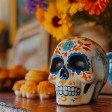
Sugar skulls and pan de muerto, a soft, sweet bread, are part of the season, while public commemorations vary widely by region and community.
China: Qingming Festival
China’s Qingming Festival, often called Tomb-Sweeping Day, normally falls in early April rather than November. Families visit ancestral graves to clean them and make symbolic offerings, which may include food, tea, wine, or incense.
Its timing reflects the arrival of spring, combining remembrance with a seasonal family outing.
Bolivia: Día de las Ñatitas
Bolivia’s Día de las Ñatitas is observed on 8 November, particularly around La Paz. The tradition centres on human skulls, known as ñatitas, which some people keep as household protectors or bring to cemeteries to be decorated with flowers and other tokens.
It has Indigenous roots and should be approached with care rather than treated as a Halloween spectacle.
New Orleans: Halloween
In New Orleans, Halloween draws on the city’s long history of ghost stories, cemetery lore, and Creole traditions. Costume events, parades, and themed tours fill the calendar in late October, although the commercial side of the celebration is more prominent than a formal day of family remembrance.
Cambodia: Pchum Ben
Cambodia’s Pchum Ben is a 15-day Buddhist festival, usually held in September or October according to the Khmer lunar calendar. Families visit pagodas and bring food for monks and symbolic offerings for ancestors.
The period is linked to the belief that spirits may return to receive merit and sustenance from their living relatives.
Guatemala: Giant Kite Festival
On 1 November, communities in Sumpango and Santiago Sacatepéquez in Guatemala mark All Saints’ Day with giant handmade kites, or barriletes gigantes.
The large paper-and-bamboo constructions are flown near cemeteries, with the tradition often described as a way of maintaining a connection with relatives who have died. Preparations can take months and involve whole neighbourhoods.
Thailand: Boon Phawet
In north-eastern Thailand, Boon Phawet is a Buddhist merit-making festival that usually takes place between February and April, depending on the community. It centres on the Vessantara Jataka, a story of one of the Buddha’s previous lives, with temple gatherings, processions, and shared food.
It is not a direct equivalent of All Souls’ Day, though it shares the broader themes of faith, memory, and community found in remembrance traditions worldwide.
Stay inspired for your travels in Italy —get our weekly newsletter for the latest travel, legal, and lifestyle news.