Renting in Italy isn’t complicated, but it is different. If you’re moving for work, study or a long-term stay, understanding how renting an apartment in Italy works can save you time, money and stress.
Here’s what to know before signing a rental contract in Italy.
1. How much does it cost to rent in Italy in 2026?
As of March 2026, the average rent price in Italy stands at €14.8 per m². To put that into real terms:
- A 50 m² flat: around €740 per month
- An 80 m² flat: around €1,184 per month
- A 100 m² flat: roughly €1,480 per month
Of course, prices vary significantly by region. At the lower end, Basilicata averages around €7.4 per m², meaning an 80 m² apartment there would cost roughly €592 per month. At the other end of the scale, prime areas in cities sit well above the national average, especially in central districts.
Sharing a flat remains one of the most cost-effective ways to live in larger cities, particularly if you're heading to Milan or Rome, where one-bedroom apartments can easily exceed the national average.
2. Check the condition of older buildings
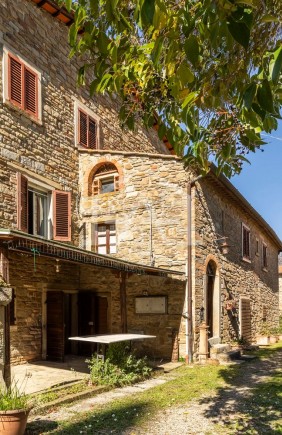
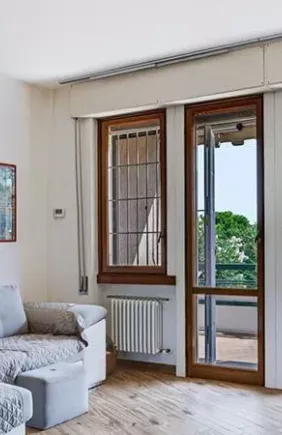
Italy’s historic buildings are beautiful, but they can come with quirks. In older properties, look out for damp or poor insulation, outdated plumbing or electrics and single-glazed windows.
Ask about heating type, energy efficiency and average winter utility costs. Heating bills in older flats can be significant.
3. Furnished vs unfurnished: know what “unfurnished” really means
In Italy, there’s a big difference between furnished and unfurnished apartments.
Unfurnished often means completely empty. That can include no kitchen units, no appliances and sometimes even no light fittings.
If you’re staying short to mid-term, a furnished flat is usually more practical. Always confirm exactly what’s included before signing.
4. Private landlord or estate agency?
You can rent directly from a private owner or through an agency. An agency can help with paperwork and register the contract properly. Plus, they can assist if you don’t speak much Italian and reduce the risk of informal or unclear agreements.
Private rentals may save you the agency fee, but make sure everything is documented and legally registered.
5. Rental contracts in Italy (don’t skip this)
A registered rental contract in Italy is essential. You’ll need it for:
- Residency registration
- Visa or permit applications
- Setting up utilities
- Opening certain bank accounts
Avoid informal cash-only arrangements. Standard long-term contracts are often 4+4 years (four years renewable for another four), though shorter agreed contracts also exist for temporary stays.
Make sure the contract is registered with the Italian tax authorities (Agenzia delle Entrate).
6. Utilities are usually in your name
In most long-term rentals, you’ll transfer electricity, gas and sometimes water into your name. This process can take time, especially in August or around holidays.
Ask the landlord: Are the utilities active? Are there outstanding bills? What were the average monthly costs last year?
Condominium fees are common and may or may not be included in the rent.
7. Expect to clean when you move in
Italian rentals are not always professionally cleaned between tenants, so be prepared to clean up a little. It’s wise to:
- Take photos on move-in day
- Document existing damage
- Leave the property in similar condition when you move out
Your deposit cannot legally be reduced for normal wear and tear, but clear documentation protects you.