Italy has more than 1,500 lakes, from tiny Alpine pools to wide basins surrounded by vineyards and medieval villages. Many are swimmable and popular for holidays, weekend escapes and even second homes. Check out Italy’s six largest lakes, where they are, how big they are and what to see around each one.
Italy’s largest lakes
Lake | Region(s) | Area (km²) | Max depth (m) | Highlight |
|---|---|---|---|---|
Garda | Lombardy, Veneto, Trentino-Alto Adige | 370 | 346* | Sirmione, Malcesine, Riva del Garda |
Maggiore | Piedmont, Lombardy, Ticino (Switzerland) | 210 | 372 | Borromean Islands |
Como | Lombardy | 146 | 410 | Bellagio, historic villas, mountains |
Trasimeno | Umbria | 124 | 7 | Islands, hilltop villages |
Bolsena | Lazio | 114 | 151 | Volcanic lake, clean bathing waters |
Iseo | Lombardy | 65 | 251 | Monte Isola, Franciacorta wine |
Lake Garda
Lake Garda is the largest lake in Italy, with a surface area of about 370 km² and an average depth of 133 metres. It stretches across Lombardy, Veneto and Trentino-Alto Adige, mixing Mediterranean light with Alpine backdrops.
What to see and do at Lake Garda
The southern shore is all low hills and lively towns like Sirmione, with its Scaliger castle and thermal baths, and Desenzano del Garda and Peschiera del Garda, both with busy promenades and boat services. On the eastern side, Bardolino, Garda and Malcesine are great bases for walks, wine bars and the cable car up to Monte Baldo. Head north to Riva del Garda and Torbole for sailing, windsurfing and a slightly wilder feel.
In summer, you can swim in designated areas, take ferries between towns, and cycle along new lakeside paths. If you fancy something noisier, spend a day at Gardaland or other theme parks near Peschiera. Wine lovers can also taste local Bardolino and Lugana wines go on walking trails in the surrounding vineyards.
Lake Maggiore
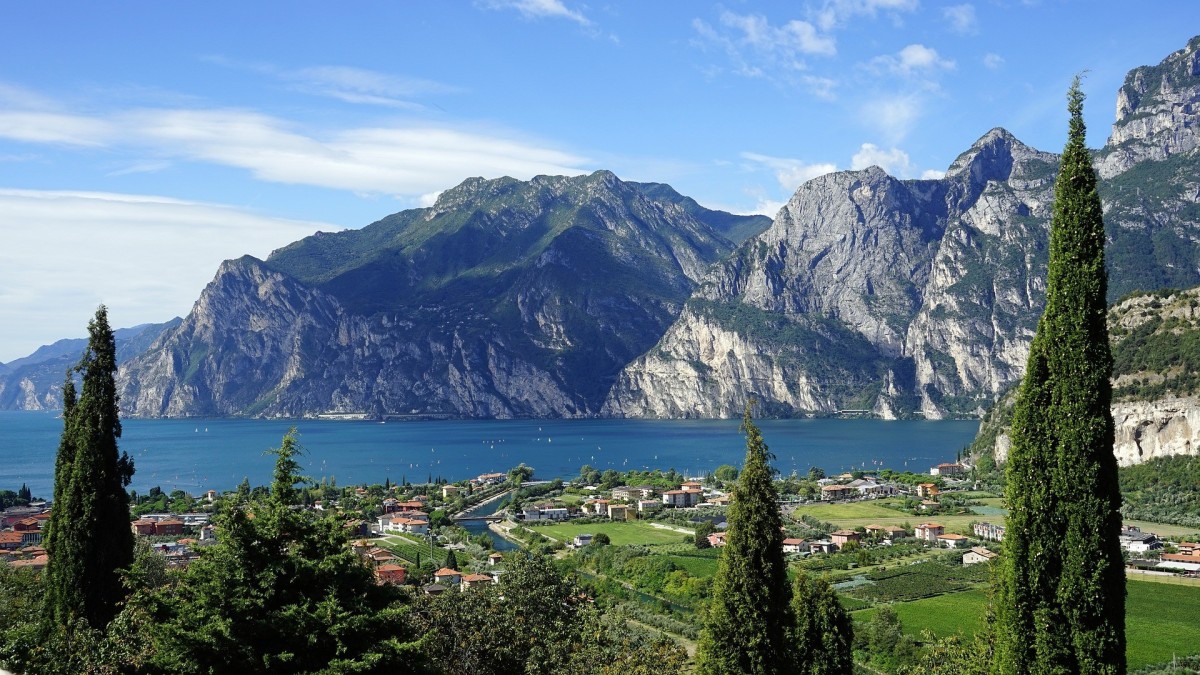
Lake Maggiore is Italy’s second-largest lake, covering around 210 km², with its deep blue waters reaching a maximum depth of about 372 metres. It lies between Piedmont, Lombardy and Canton Ticino in Switzerland, with snow-capped Alpine peaks never far from view.
What to see and do at Lake Maggiore
One of the big draws here is the trio of Borromean Islands – Isola Bella, Isola Madre and Isola dei Pescatori – where you’ll find baroque palaces, lush gardens and tiny fishing lanes. The elegant town of Stresa is a classic base and a popular luxury living destination, with a pretty lakefront and boat trips across to the islands, while Verbania is known for the botanical gardens of Villa Taranto.
On the western side, Arona has a relaxed promenade and good transport links. Up in Switzerland, lakeside spots like Locarno and Ascona blend Italian food with a slightly more Swiss feel.
- Property for sale on Lake Maggiore
- Long-term rentals on Lake Maggiore
- Property for sale on Lake Maggiore
Lake Como
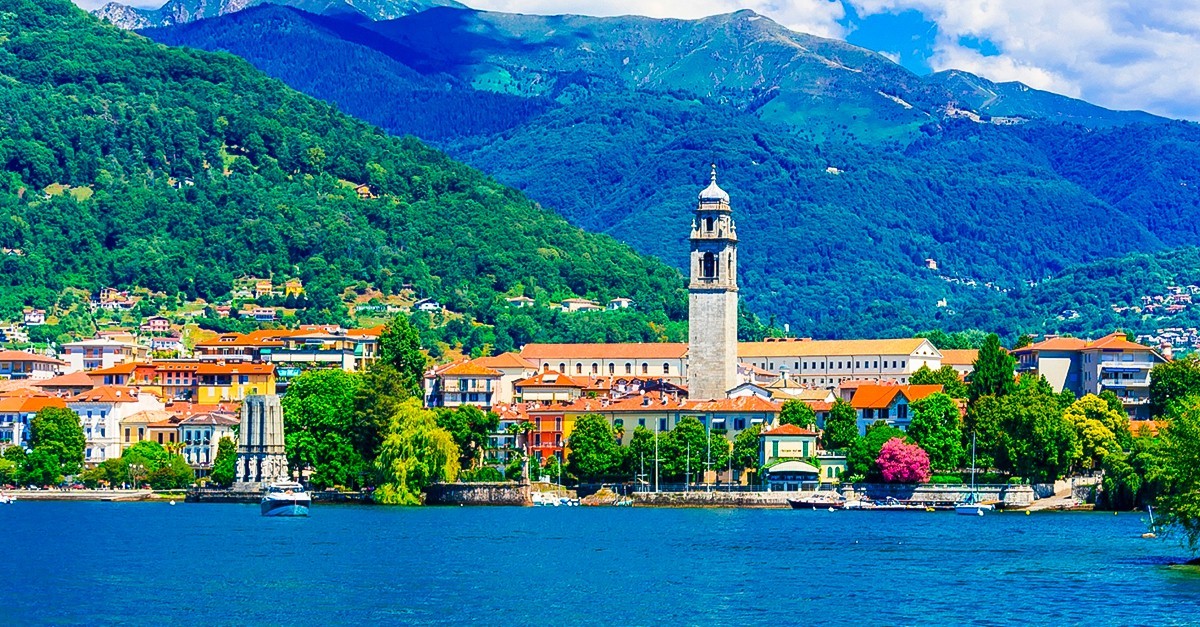
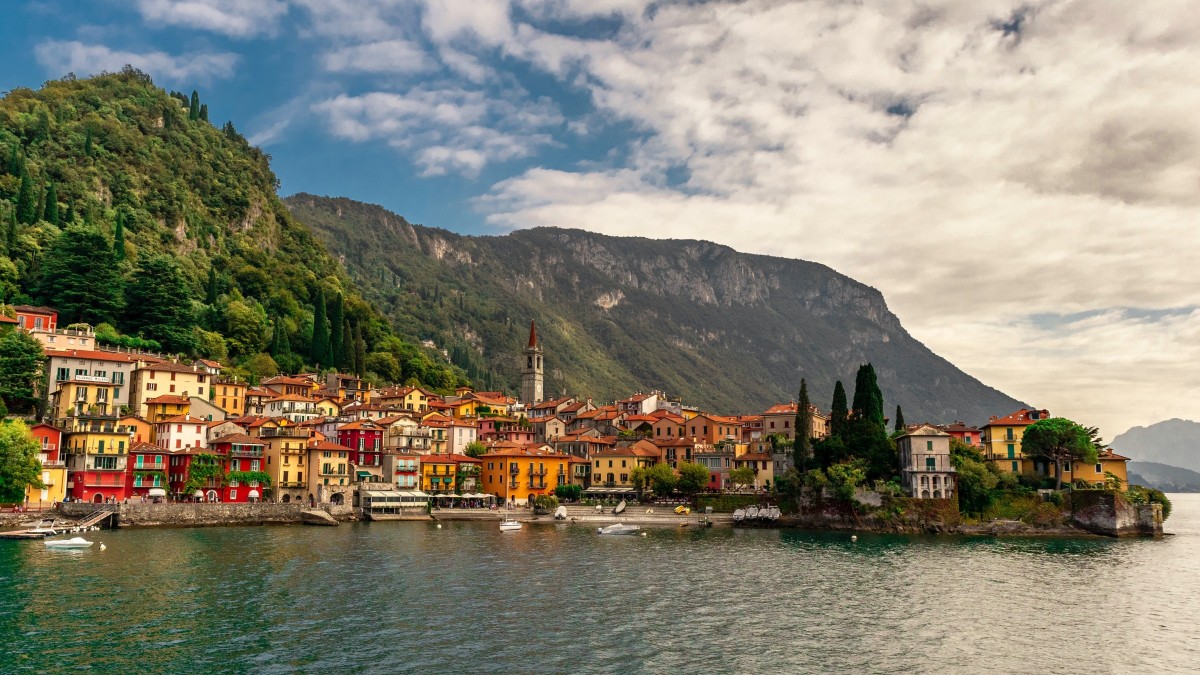
Lake Como is the third-largest lake in Italy at around 146 km², and also one of the deepest, dropping to about 410 metres in places. It sits in Lombardy, tucked between steep mountains, with the lake splitting into branches towards Como and Lecco.
What to see and do at Lake Como
The main towns are Como, with its historic centre, cathedral and funicular up to Brunate, and Lecco at the end of the south-eastern arm. Mid-lake, the triangle between Bellagio, Varenna and Menaggio is where you get that postcard “Lake Como” feeling: narrow lanes, stone churches, and ferries criss‑crossing back and forth.
Along the western shore, grand villas line the water. Villa del Balbianello and Villa Carlotta are two of the most famous, with manicured gardens and film‑worthy views. You can swim in lidos and designated lake beaches in summer, take boats to hop between villages, and head up into the surrounding mountains for hikes and Lake Como's panoramic viewpoints.
Lake Trasimeno
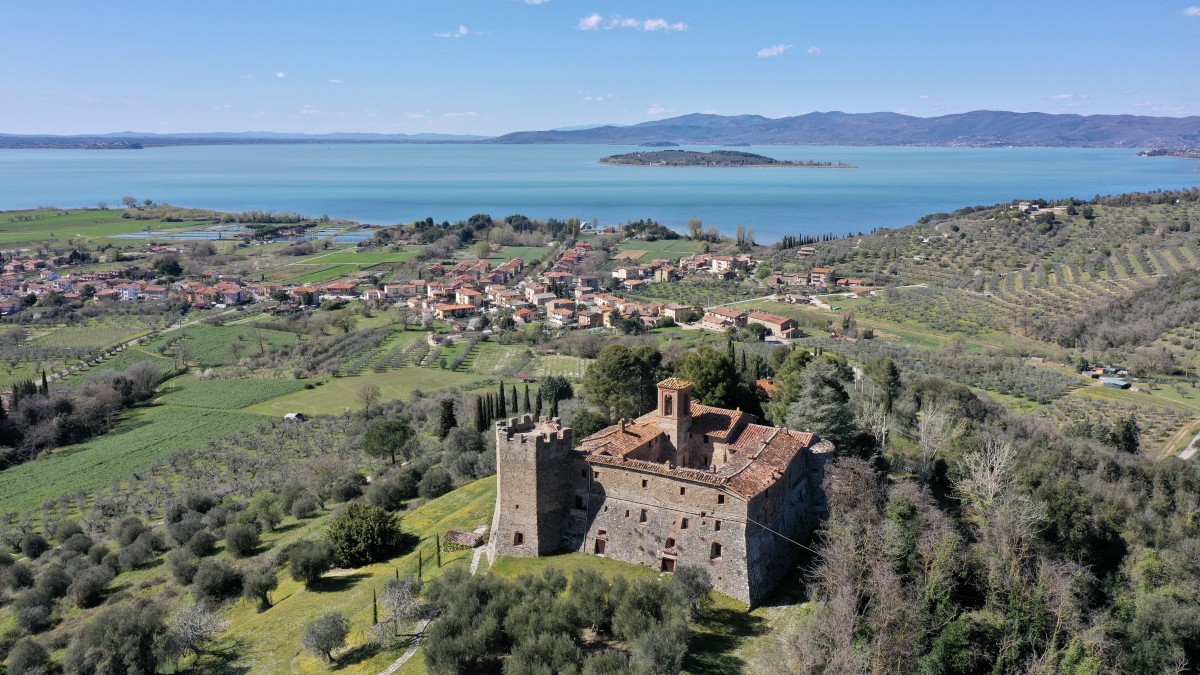
Lake Trasimenoin Umbria is fourth in the ranking, covering about 124 km², and one of the least touristy lakes in Italy. It is relatively shallow but swimmable in designated areas, and surrounded by gentle hills and olive groves that feel very “Umbrian–Tuscan”.
What to see and do at Lake Trasimeno
Three small islands sit in the lake: Isola Maggiore, Isola Minore and Polvese, reached by short boat trips from the shore. Around the lake, the main villages include Castiglione del Lago, with its fortress and historic centre, and Passignano sul Trasimeno, which has a lakeside promenade, bars and restaurants.
There are walking and cycling paths along parts of the shore, plus plenty of spots to sit with a glass of wine and a plate of lake fish or local pecorino. History buffs will know that this was also the site of the Battle of Lake Trasimeno in 217 BC, one of Ancient Rome’s most famous military defeats.
- Property for sale at Lake Trasimeno
- Long-term rentals at Lake Trasimeno
- Holiday rentals at Lake Trasimeno
Lake Bolsena
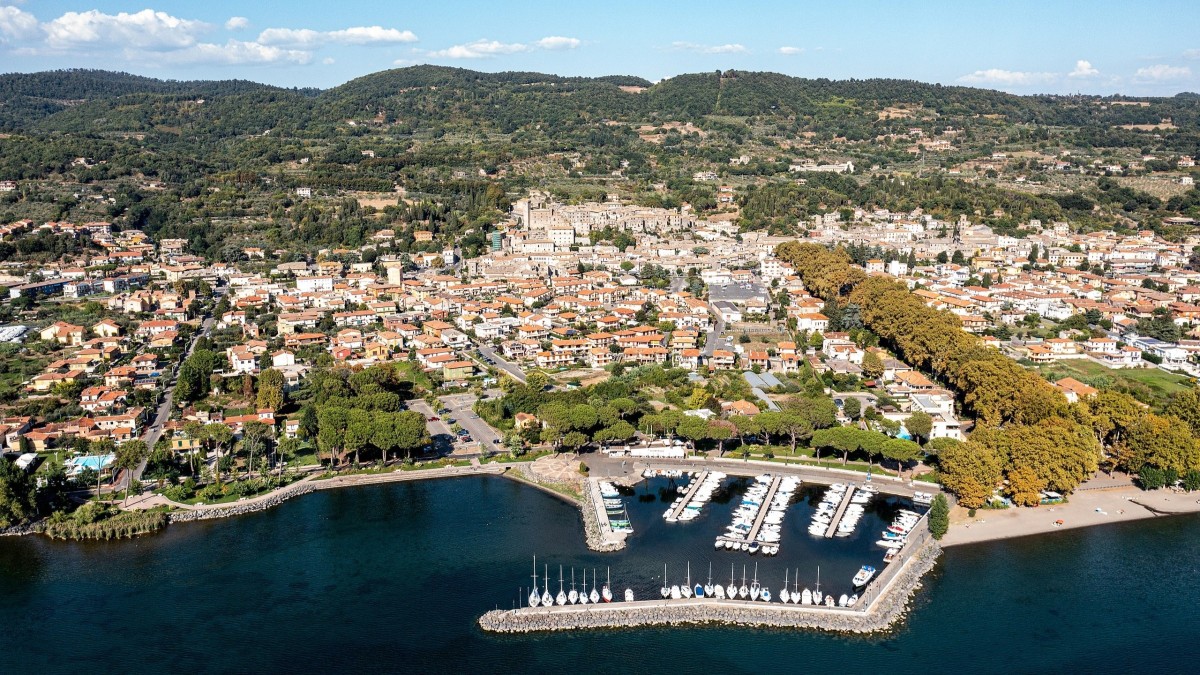
Lake Bolsena lies in northern Lazio, in the province of Viterbo, and is the fifth-largest lake in Italy with a surface area of over 115 km². It is a volcanic lake with relatively deep, very clean waters. It is well known among Italians as a good wild swimming spot.
What to see and do at Lake Bolsena
The town of Bolsena itself climbs up from the shore, with a lakeside promenade, medieval streets and a hilltop fortress. Nearby Montefiascone has an impressive cathedral and views across the water, while Capodimonte sits on a small peninsula and is known for the Rocca Farnese and its beaches.
Out on the lake, Isola Bisentina has long been an object of curiosity with its gardens, chapels and cypress trees, often seen from boat trips. From the lake area, you can easily reach Civita di Bagnoregio, the famous “dying city” perched on a crumbling tufa hill.
Lake Iseo
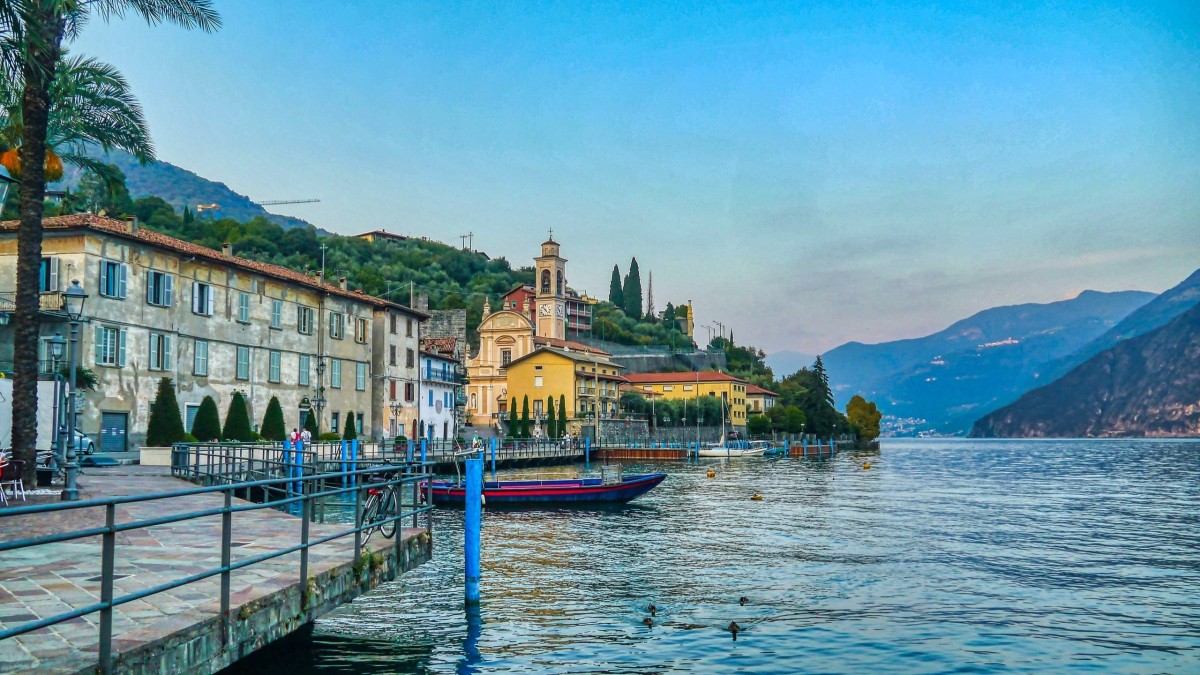
Lake Iseo is the sixth-largest lake in Italy at around 60 km², sitting between the provinces of Bergamo and Brescia in Lombardy. It feels more compact and intimate than Garda or Como, with green slopes and small, quaint towns.
What to see and do at Lake Iseo
Right in the middle of the lake rises Monte Isola, the largest lake island in southern Europe. Ferries connect it to several mainland towns, and once there, you explore on foot or by bike, following quiet lanes up to the sanctuary at the top.
On the mainland, Iseo has a pretty centre and lakeside piazza, while Sarnico and Lovere mix historic buildings with promenades and good cafés. At the northern end, Pisogne is another good base for walks and boat trips. Just south of the lake lies the Franciacorta wine region, known for its sparkling wines, so it’s very easy to combine lake days with vineyard visits.
Stay inspired for your travels in Italy —get our weekly newsletter for the latest travel, legal, and lifestyle news.