Picture an island with no residents, flat as a board and tucked away among salt marshes and canals. One of the most surprising spots in the Venetian Lagoon is about to become accessible again.
Where monks, pilgrims, plague sufferers and soldiers once passed through over the centuries, preparations are under way for a reopening with public and cultural functions, without any tourist accommodation.
Just over a hectare in size, between Murano and the route towards Burano and Torcello, this island is at the centre of a project that brings together environmental restoration, research and contemporary art.
Where is Venice's ghost island located
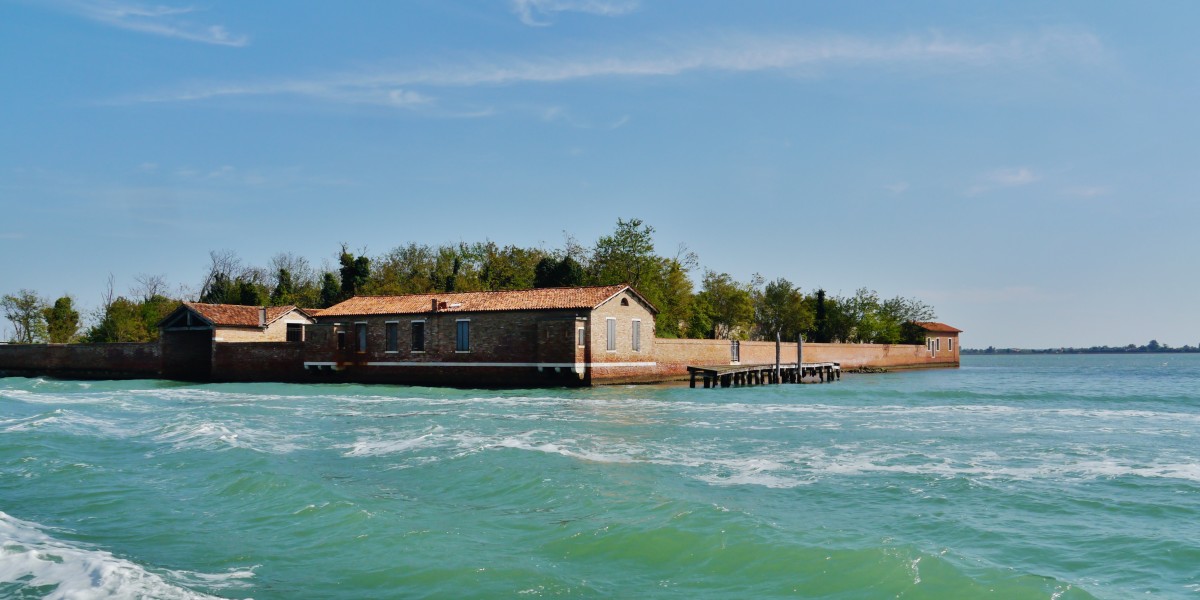
The ghost island, San Giacomo in Paludo, looks onto the Scomenzera San Giacomo canal, in the northern stretch of the central lagoon.
It is extremely low-lying, about a metre above sea level, protected by embankments and surrounded by salt-tolerant vegetation that shifts in colour with the tides and the wind.
There are no residents, only nineteenth-century buildings, military earthworks and green areas gradually being restored after decades of neglect.
Since 1960, the island has been subject to a landscape protection order and falls within the municipality of Venice, in the Venezia-Murano-Burano borough.
Its position is strategic: close enough to the main routes that it could in future be connected to the LN line, yet isolated enough to retain a sense of calm and wide-open water views with very few buildings in sight.
Marshland to cannons: the transformations of San Giacomo in Paludo
The documented history begins in 1046, when Doge Orso Badoer granted Giovanni Trono of Mazzorbo what was then marshland for a hospice and monastery. It was dedicated to Saint James the Greater, a refuge for pilgrims and sailors caught out by bad weather.
- In 1238, the Cistercian nuns arrived, remaining until 1440 before moving to Torcello.
- In 1456, the island was used as a lazzaretto, a quarantine station, during an outbreak of plague.
- In the sixteenth century, the Conventual Franciscan friars linked to the Frari took over, officiating religious festivals and offering shelter to sailors.
The Renaissance church had three altars dedicated to Saint James the Greater, Saint John the Baptist and Saint Nicholas of Bari, and alongside it grew a hardworking community of market gardeners cultivating land granted to them.
- The turning point came in 1810: under the Napoleonic edicts, the monastery was suppressed, the church and convent demolished, and the island converted into a military outpost.
- First under Austrian rule and later part of the Kingdom of Italy, it housed batteries, earthworks, powder magazines and depots in use until 1961.
- During the uprisings of 1848, it served as a fort of the Republic of San Marco.
- Years of abandonment and vandalism followed, broken only by occasional cultural initiatives.
- In 1975, theatre performances linked to the Biennale were staged here, and between 2002 and 2005, archaeological digs revealed that the island had once been larger than it is today.
San Giacomo in Paludo today
After periods of management by environmental associations and by Cassa Depositi e Prestiti, in 2019 San Giacomo in Paludo was transferred to Agostino Re Rebaudengo with a clear condition: no hotels or resorts, only collective and cultural purposes.
Since 2021, work has been underway to clear the site, make it safe and install basic infrastructure. In 2022, the Fondazione Sandretto Re Rebaudengo announced an exhibition space dedicated to contemporary art.
What is reopening and how: a laboratory of art, botany and sustainability
The island is preparing to become a public space for research and cultural production closely tied to the lagoon landscape.
The idea is a diffuse laboratory combining multidisciplinary exhibitions, artist residencies and environmental study projects, alongside accessible gardens, greenhouses and paths weaving through vegetation and historic earthworks.
The renewable energy system and light infrastructure aim to limit consumption and noise in the delicate context of the northern lagoon.
No hotel functions are planned: San Giacomo in Paludo is intended as a day-visit destination, to be combined with Murano, Burano or Torcello. Details on opening dates, access arrangements and activities will be defined as the works progress.
How to reach San Giacomo in Paludo
The island is not part of the usual tourist circuits and for that reason provides a different kind of experience, one that requires a bit of planning.
The natural departure point is the Fondamente Nove area, the main hub for boats to the northern islands. Once works are completed, San Giacomo in Paludo will be served by the Actv LN line, the same route connecting Venice with Burano, stopping via Murano.
Article seen on The Wom Travel: L’isola “fantasma” della Laguna che sta per riaprire: un paradiso segreto che nessuno conosce ancora