Tuscany is much bigger than Florence, and its most memorable corners often sit beyond the capital’s museum queues and busy central streets. Medieval city squares, Etruscan towns, wine-growing hills and a surprisingly varied coastline are all within reach, although a car makes the rural areas considerably easier to explore.
These are some of the best places to visit in Tuscany in 2026, with practical picks for a first trip as well as longer stays.
- The most scenic areas of Tuscany
- The best places to visit in Tuscany
- Siena: medieval streets and the Palio
- Pisa: more than the Leaning Tower
- Lucca: Renaissance walls and easy cycling
- San Gimignano: towers, frescoes and Vernaccia
- Val d’Orcia: Pienza, Montalcino and Bagno Vignoni
- Arezzo: Renaissance art and antiques
- Montepulciano: wine cellars and Renaissance palaces
- Cortona: Etruscan history above the Valdichiana
- Tuscany beaches
- Living in Tuscany
The most scenic areas of Tuscany
The Val d’Orcia is the Tuscany many people picture: softly rolling fields, avenues of cypress trees and stone villages sitting high above the surrounding countryside. It is particularly photogenic, but it can be busy and pricey in spring and early autumn.
For art and city life, Siena, Lucca, Arezzo and Pisa have far more substance than a quick day trip suggests. The south-east around Cortona and Montepulciano suits travellers keen on smaller towns, local food and the Etruscan side of the region.
The best places to visit in Tuscany
Siena: medieval streets and the Palio
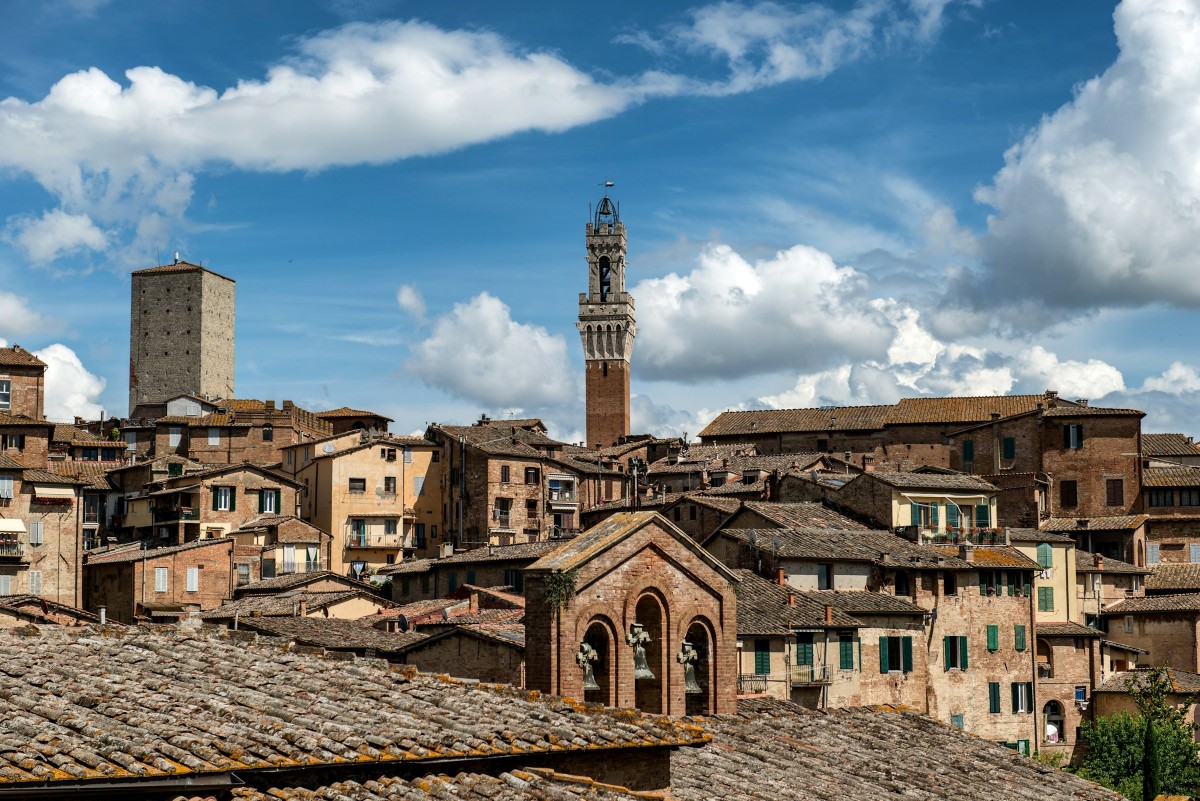
Siena has a distinctly medieval feel, with steep lanes converging on the shell-shaped Piazza del Campo. It is the setting for the Palio di Siena, the historic horse race held on 2 July and 16 August each year, when the city’s contrade neighbourhoods take centre stage.
The striped marble interior of Siena Cathedral is a highlight, as is the view across the city from the Torre del Mangia. The historic centre is compact, though its hills are no small matter in summer heat.
Pisa: more than the Leaning Tower
The Leaning Tower of Pisa remains the headline act, but Piazza dei Miracoli also contains the cathedral, baptistery and Camposanto monumental cemetery. Booking tower entry in advance is sensible during school holidays and peak season.
Beyond the square, Pisa is a lively university city. Walk along the Arno, browse the small streets around Borgo Stretto, and stop by Palazzo Blu, which hosts changing exhibitions in a former noble residence.
Lucca: Renaissance walls and easy cycling
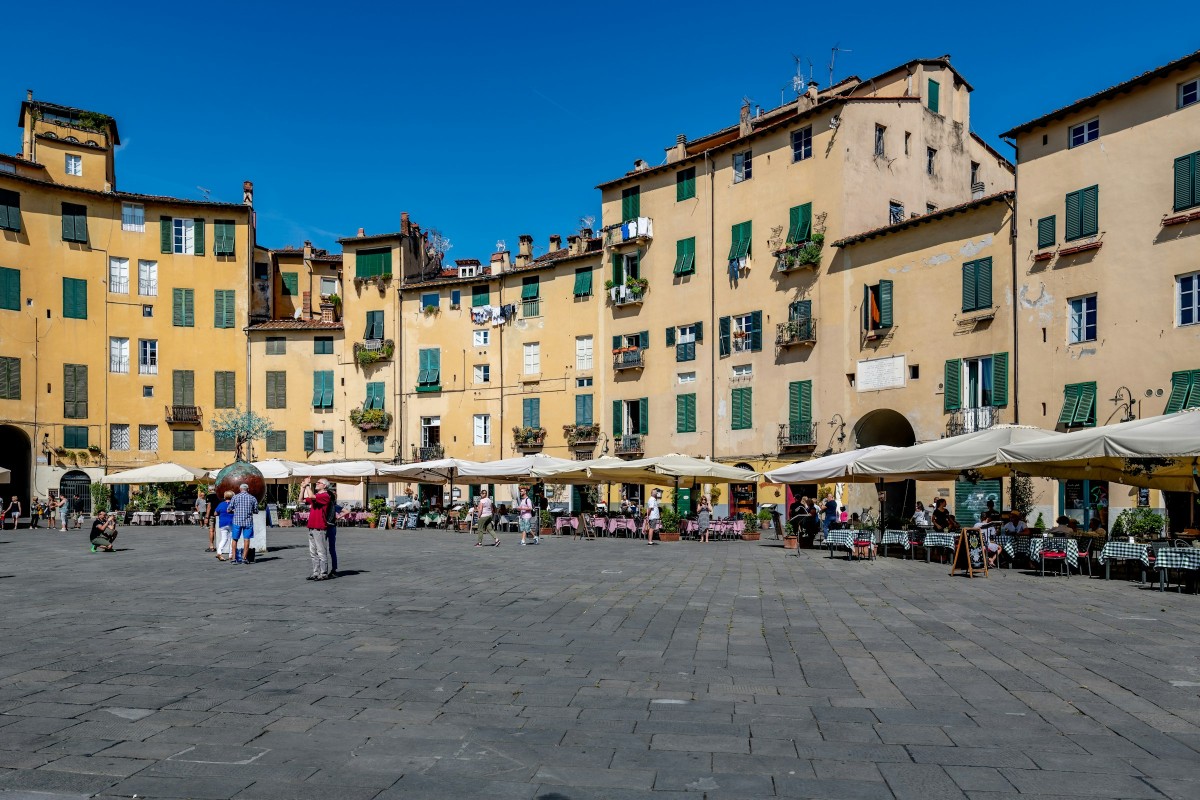
Lucca is enclosed by broad Renaissance walls that now function as a leafy walking and cycling route around the old town. It is a gentler place to explore than Siena, with mostly level streets, handsome squares and a pleasingly lived-in feel.
San Gimignano: towers, frescoes and Vernaccia
San Gimignano is instantly recognisable for its surviving medieval towers, built as status symbols by rival local families. Its skyline has earned it the nickname ‘Medieval Manhattan’, though the historic centre is small enough to see in a few hours.
The Collegiate Church of Santa Maria Assunta contains important fresco cycles, while the surrounding vineyards produce Vernaccia di San Gimignano, Tuscany’s best-known white wine. Arriving early helps avoid the thickest crowds.
Val d’Orcia: Pienza, Montalcino and Bagno Vignoni
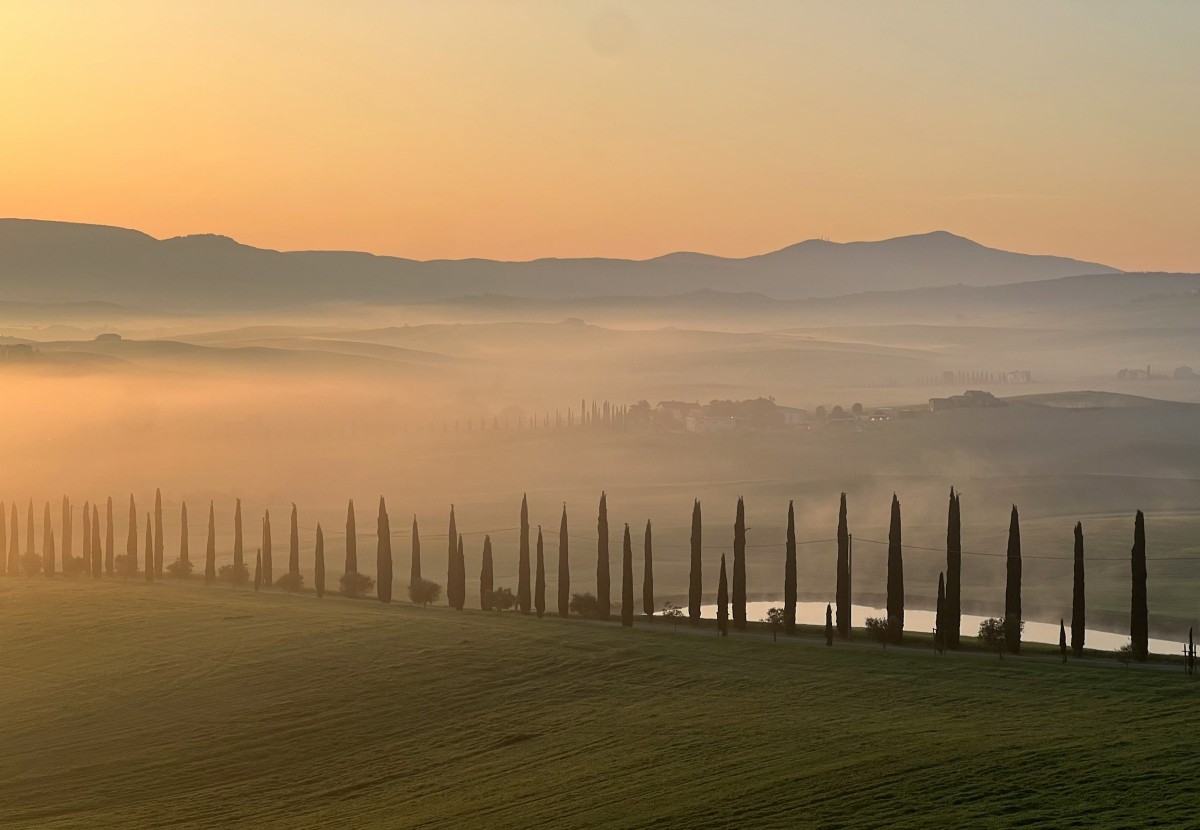
The UNESCO-listed Val d’Orcia stretches south of Siena and rewards slow travel rather than a hurried tick-list. Pienza is celebrated for Renaissance town planning and pecorino cheese; Montalcino is the home of Brunello di Montalcino; and Bagno Vignoni centres on a large historic thermal pool in its main square.
The area is easier with a car, especially outside high season, since village-to-village bus connections can be patchy. It is also worth bearing in mind that public bathing rules vary around natural springs, so signs and local restrictions matter.
Arezzo: Renaissance art and antiques
Arezzo is one of Tuscany’s oldest cities and a strong option for anyone more interested in art than postcard-perfect hill towns. The Basilica of San Francesco contains Piero della Francesca’s Legend of the True Cross fresco cycle, with timed entry usually required.
The city’s large antiques market takes place on the first weekend of each month in and around Piazza Grande. At other times, Arezzo feels comparatively low-key, with Roman remains, medieval streets and plenty of good-value places to eat.
Montepulciano: wine cellars and Renaissance palaces

High on a limestone ridge, Montepulciano has grand Renaissance palazzi, steep streets and views across southern Tuscany. Its main thoroughfare, Corso, leads towards Piazza Grande, where the town’s civic buildings gather.
Local Vino Nobile di Montepulciano is served in historic underground cellars as well as modern wineries nearby. The thermal spas at Chianciano Terme are close, though the town itself has a more functional, resort-style character than Montepulciano’s historic centre.
Cortona: Etruscan history above the Valdichiana
Cortona sits above the Valdichiana, with broad views and a maze of notably steep lanes. The town gained international attention through Under the Tuscan Sun, but its Etruscan past is the more enduring draw.
The MAEC, or Museo dell’Accademia Etrusca e della Città di Cortona, holds important archaeological finds, while the Sanctuary of Santa Margherita sits higher up the hill. It is a good base for exploring eastern Tuscany, although driving and parking require patience.
Tuscany beaches
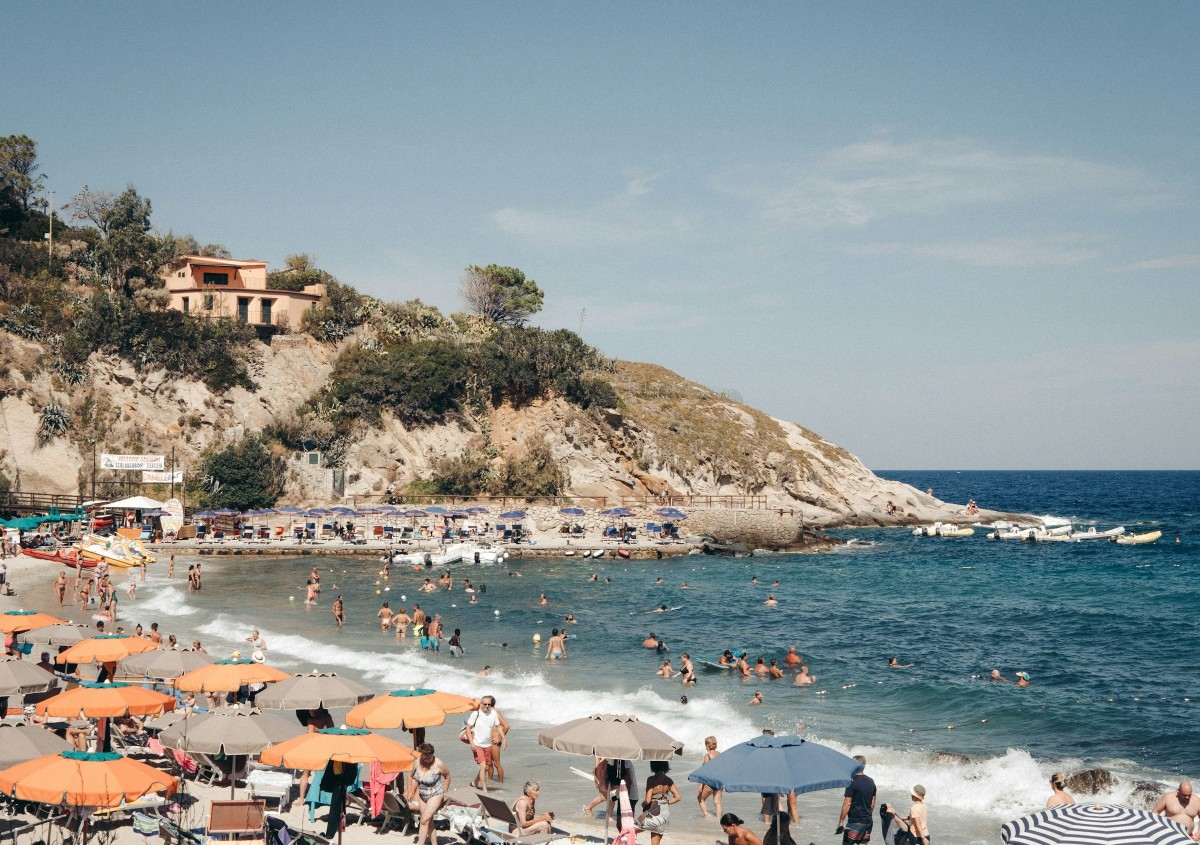
Tuscany's most beautiful beaches are diverse and worth a visit. Tuscany’s coast runs along the Tyrrhenian Sea, with traditional beach resorts in the north, pine-backed sands around the Etruscan Coast and wilder stretches in Maremma.
Versilia Coast
- Forte dei Marmi has long sandy beaches, smart shopping streets and a higher price point than much of the coast.
- Viareggio has a wide promenade, Art Nouveau buildings and family-friendly beach facilities.
Etruscan Coast
- Castiglioncello has rocky coves, clear water and pine woods, with more dramatic scenery than the long sandy beaches nearby.
- Cecina has a mix of sand and shingle, backed by the Tomboli di Cecina pine forest.
Maremma Coast
- Castiglione della Pescaia combines a historic old town with popular sandy beaches.
- Cala Violina, within the Bandite di Scarlino nature reserve, has pale sand and clear water. Summer visitor limits and access arrangements can apply.
Elba Island
- Spiaggia di Cavoli is popular for its fine sand and sheltered water.
- Fetovaia is a crescent-shaped bay with shallow water and a sandy beach, though parking fills quickly in peak season.
Living in Tuscany
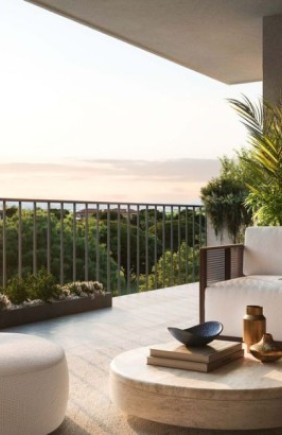
Living in Tuscany can be deeply rewarding, particularly for people happy to build daily life around local routines rather than expecting everything to run on big-city timings. Florence, Pisa, and Siena have the strongest mix of services, hospitals, rail links and year-round activity. Smaller rural towns can feel peaceful but often depend heavily on a car, and winter can be quieter than first impressions suggest.
Housing, too, changes sharply between locations. Florence and the most visited parts of the Val d’Orcia tend to command the highest prices, while Arezzo and smaller provincial towns can be more manageable.