A supermarket in Venice is drawing attention for a detail that has nothing to do with pasta offers or the weekly shop.
Despar Teatro Italia occupies a former Neo-Gothic and Art Nouveau theatre, where original decorative details and a ceiling fresco remain in place above the shelves.
The unusual setting taps into the growing interest in “grocery store tourism”: visiting food shops abroad as a glimpse into local everyday life.
Despar Teatro Italia: grocery shopping beneath a historic fresco
Despar Teatro Italia is in Venice, inside a building that served as a theatre until 1916. The original theatre was designed by architect Giovanni Sardi, who also designed the Hotel Excelsior on the Lido.
Its later conversion into a supermarket was controversial at the time, according to la Repubblica. It has since become a tourist stop, largely because much of the theatre’s decorative identity remains visible around a fully functioning food shop.
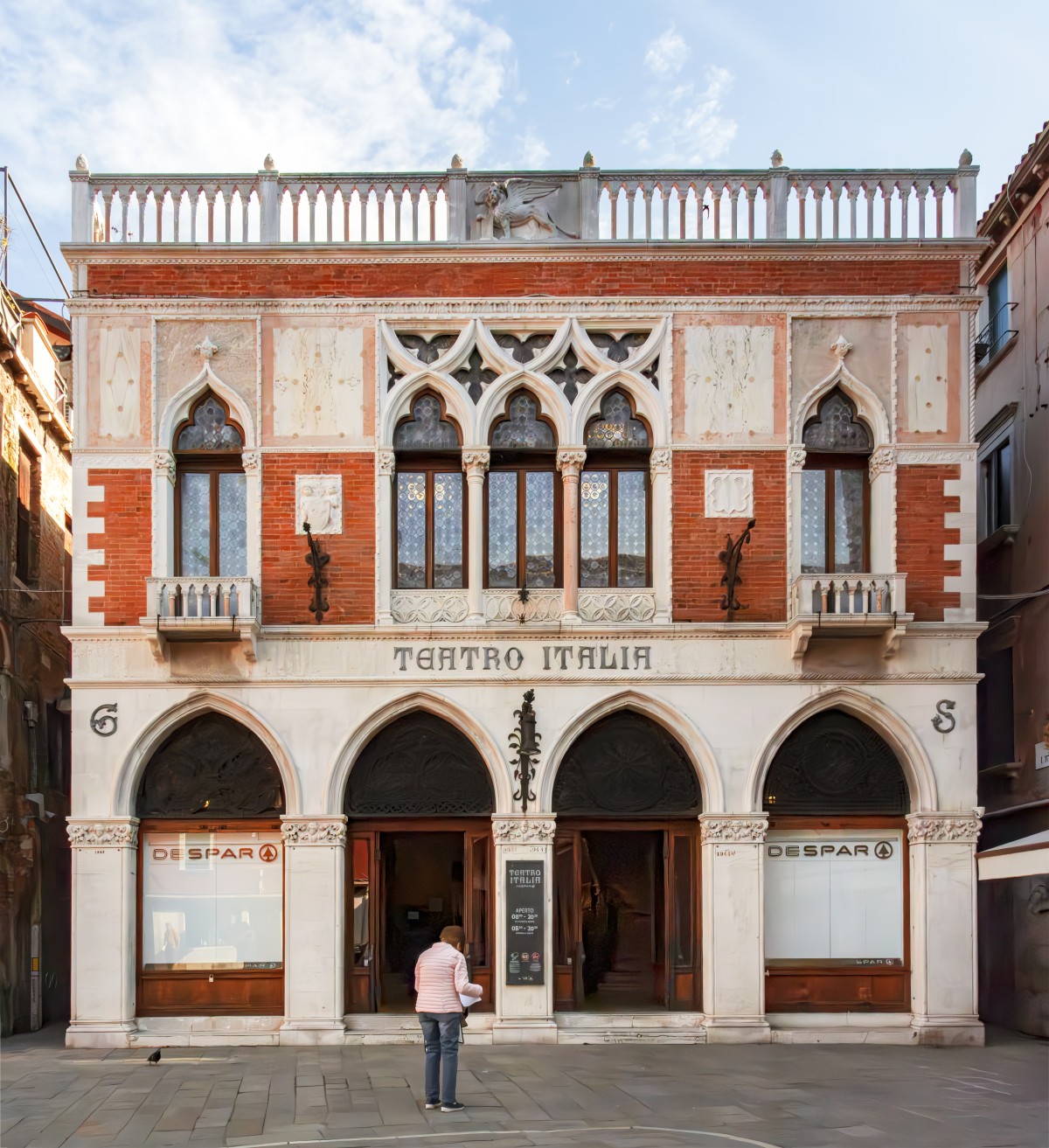
Original theatre details still visible
Several original features have been retained at Despar Teatro Italia:
- Stucco work
- Curved staircases
- Original decorative elements
- An allegorical ceiling fresco dedicated to the Glory of Italy
The fresco sits in the centre of the ceiling, looking down over supermarket shelves stocked with milk and pasta. It is a particularly unexpected setting for routine shopping, and a reminder that Venice’s historic buildings are often repurposed rather than separated from daily city life.
Supermarket tourism in Italy
“Grocery store tourism” describes visiting supermarkets in another country, including visits made without a specific shopping list. It can be a simple way of clocking everyday food habits, local products and the character of a city beyond its headline sights. The interest is not restricted to historic interiors.
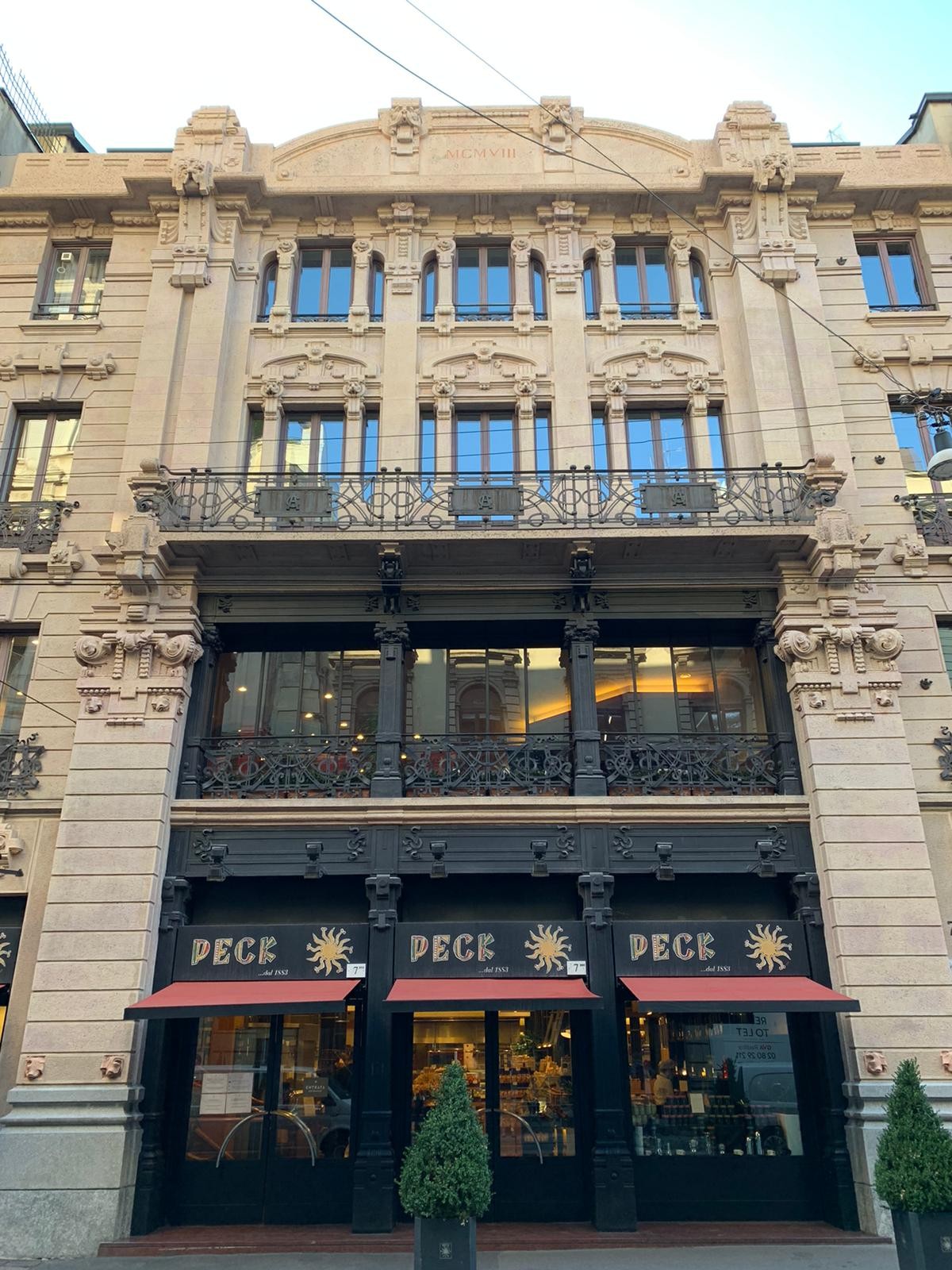
In Milan, Peck is one of the Italian food-shopping stops cited by la Repubblica. Its story in the city dates to 1883, when Francesco Peck, a pork butcher from Prague, opened a shop at Via Orefici 2. His original idea was to bring the Central European tradition of smoked cold cuts to Italy.
The shop quickly became a point of reference for aristocratic homes in the surrounding area. It remains closely associated with Milan and its food culture, appearing in the same international conversation as La Grande Épicerie de Paris and Fortnum & Mason in London.
Stay inspired for your travels in Italy —get our weekly newsletter for the latest travel, legal, and lifestyle news.