Rome in a day can feel like a whistle-stop tour, but a well-planned route makes the big sights manageable. Stay longer, and there is time for quieter neighbourhoods, ancient roads, galleries and proper Roman meals.
Rome is enormous, busy and not especially kind to rushed itineraries. Knowing what to see in Rome before arriving helps keep the days manageable: the historic centre is walkable in parts, but distances soon add up on cobbles and in the summer heat. Booking timed entry for the Colosseum, Vatican Museums and Galleria Borghese in advance leaves more time to enjoy the city at a human pace.
What to see in Rome in one day
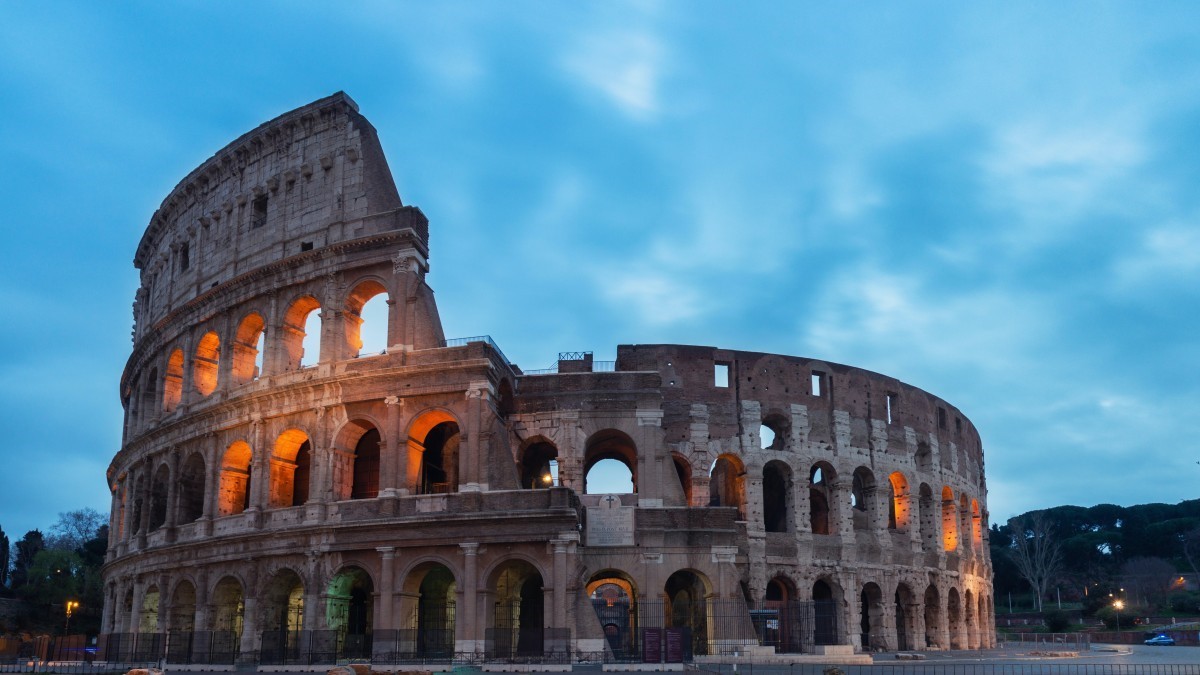
For a first day, stick to the ancient centre and the historic centre rather than criss-crossing the city.
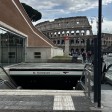
- Colosseum, Roman Forum and Palatine Hill: these three sites sit together and are best tackled in one block. Allow at least three hours, longer if ancient history is your thing.
- Pantheon: a remarkably intact Roman building, with its vast dome and open oculus. Entry arrangements can change, so check the official site before setting off.
- Piazza Navona: built over the ancient Stadium of Domitian and home to Bernini’s Fountain of the Four Rivers.
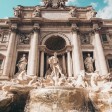
- Trevi Fountain: it is crowded for much of the day. An early-morning or late-evening pass is generally more pleasant.
- Spanish Steps and Piazza di Spagna: a straightforward final stop if you still have the legs for it.
What to see in Rome in two days
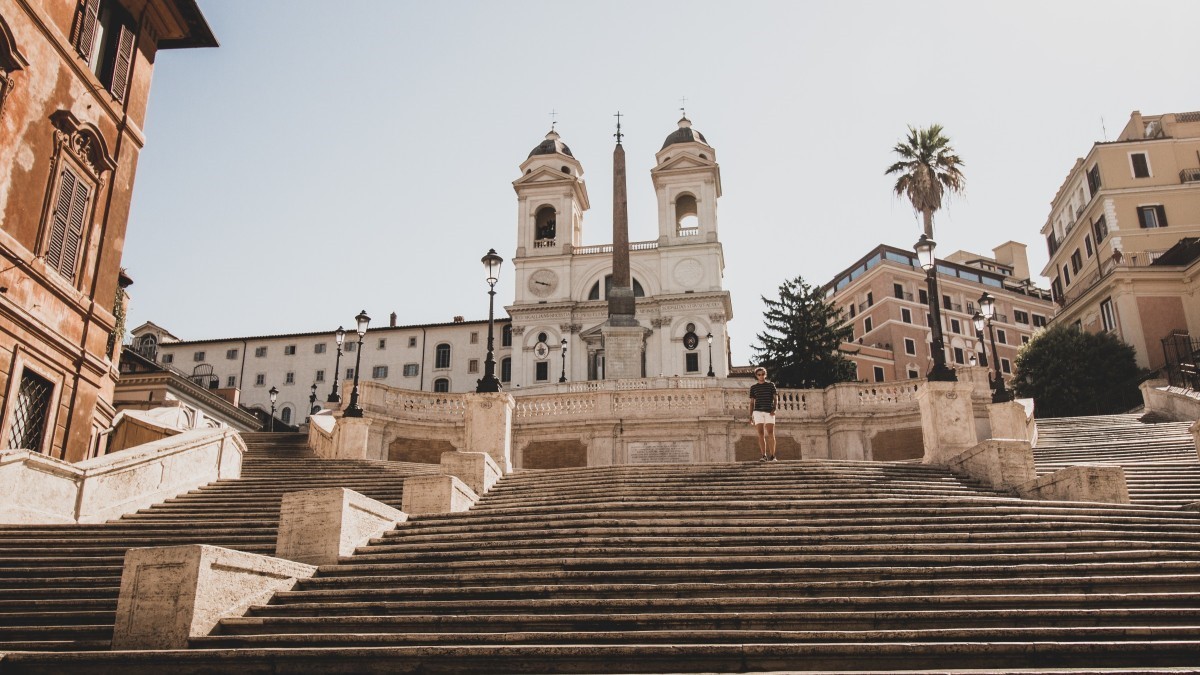
The second day works well for Vatican City and the streets across the Tiber.
- Vatican Museums and Sistine Chapel: pre-booked timed tickets are essential in busy periods. The collection is vast, so choose a manageable pace rather than trying to see every room.
- St Peter’s Basilica: dress rules apply and security queues can be long. The dome climb has tight staircases, but the view over Rome is a proper reward.
- Castel Sant’Angelo: a former mausoleum, papal fortress and museum, linked historically to the Vatican by the Passetto di Borgo.
- Trastevere: come for the lanes around Piazza di Santa Maria in Trastevere, then carry on up to the Janiculum (Gianicolo) for one of Rome’s broadest city views.
What to see in Rome in three days
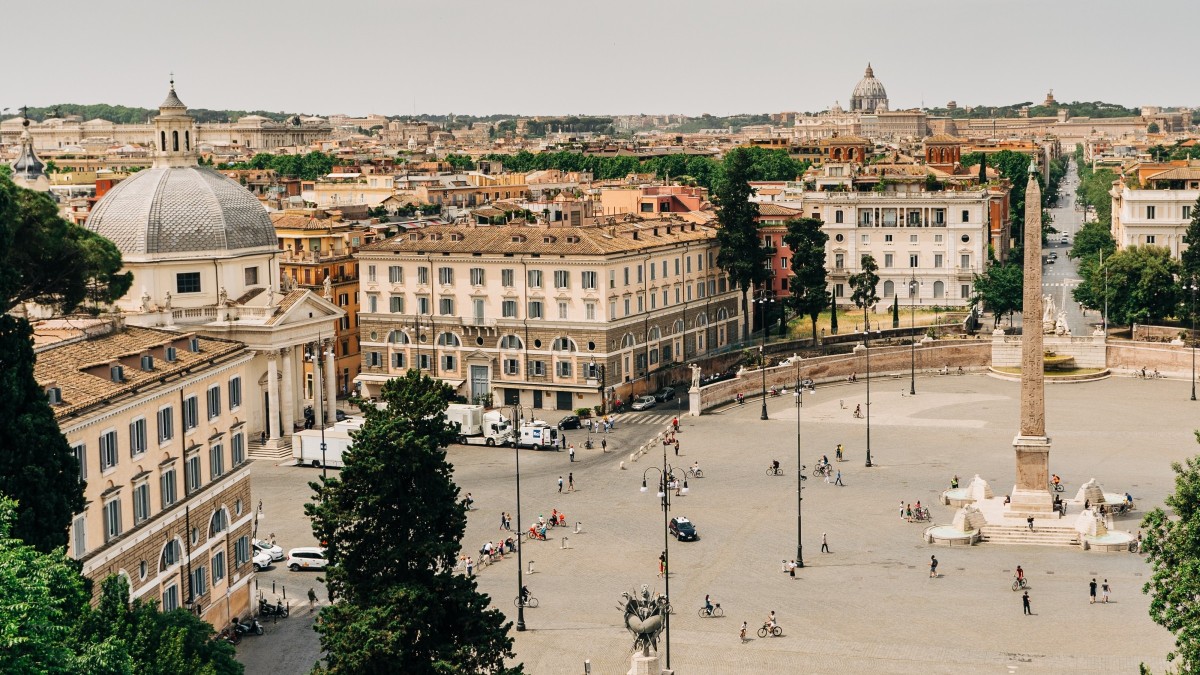
Day three is for art, parkland and a more unhurried stretch of the city, maybe exploring Rome's neighbourhood street, too.
- Capitoline Museums: on Michelangelo’s Piazza del Campidoglio, with major Roman sculpture and a memorable view over the Forum.
- Villa Borghese: Rome’s best-loved central park is handy for a breather after two packed days.
- Galleria Borghese: book well ahead. Bernini’s sculptures and paintings by Caravaggio are the main draw, and entry is usually timed.
- Pincio Terrace: above Piazza del Popolo, particularly good near sunset.
What to see in Rome in four days
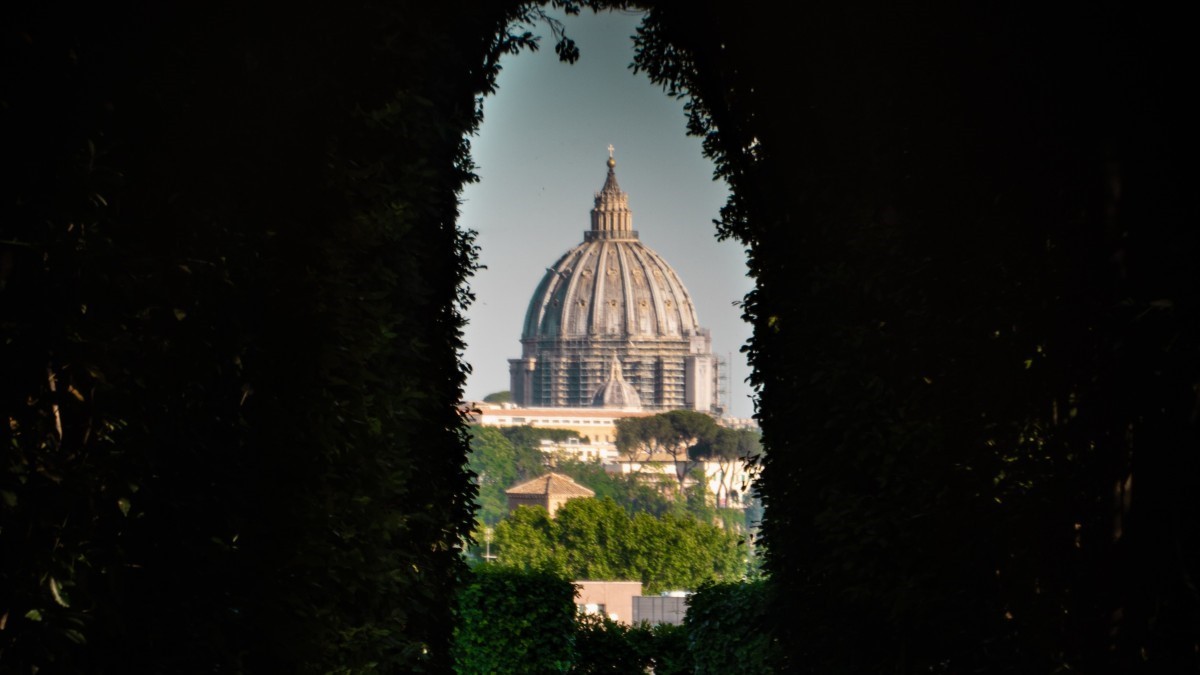
A fourth day opens up corners beyond the central postcard circuit.
- Aventine Hill: the Orange Garden (Giardino degli Aranci), the Knights of Malta keyhole and the Basilica of Santa Sabina sit close together.
- Basilica of San Paolo fuori le Mura: one of Rome’s four papal basilicas, reached easily on Metro line B.
- Villa Torlonia: a quieter park with the eccentric Casina delle Civette and the restored Serra Moresca.
- GNAM: the National Gallery of Modern and Contemporary Art, near Villa Borghese, for a change of pace after several days of antiquity and Baroque churches.
Less obvious places to see in Rome
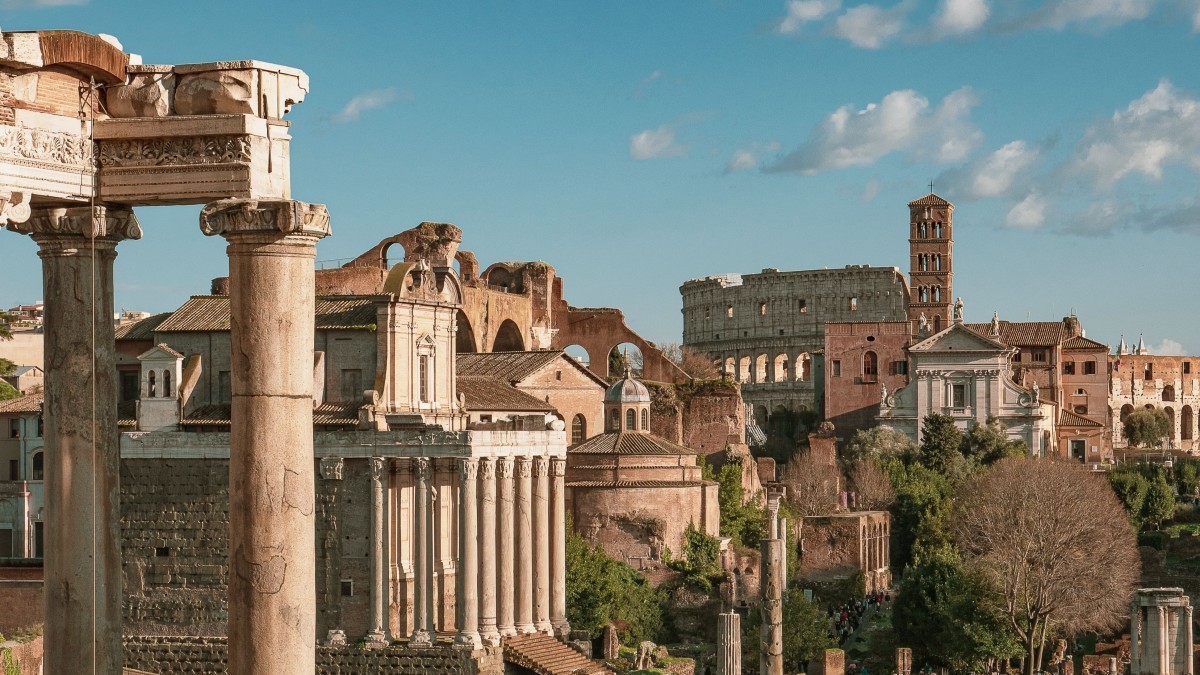
The city gets better when the itinerary leaves a little room for its everyday side, exploring non-touristy things in Rome.
- Testaccio Market: a useful lunch stop with fresh produce, Roman street food and independent stalls.
- Parco degli Acquedotti: grand stretches of Roman aqueduct cut across open ground in the southeast of the city.
- Via Appia Antica: an old Roman road lined with tombs, catacombs and countryside. A bike is handy, though walking a short section works well too.
- EUR: rationalist-era architecture, wide boulevards and the Museo delle Civiltà give a sharply different view of Rome.
- Porta Portese: a large Sunday market with a mixed bag of vintage items, clothing and household bits. Keep a close eye on belongings in the crowds.
Rome at night
Rome’s central monuments are at their calmest after dinner, though the busiest squares never fully empty. A walk around the Pantheon, Piazza Navona and the Trevi Fountain works well after dark. Trastevere remains lively later into the evening, while Monti and Testaccio tend to feel more local for a drink or a simple dinner.
In summer, check the official city and venue calendars for outdoor cinema, concerts and events along the Tiber, as programmes vary year by year.
Rome with children
For families, it helps to alternate monumental sights with time outdoors and free activities in Rome.
- Bioparco di Roma sits inside Villa Borghese and is easy to pair with the park’s playgrounds and open space.
- Cinecittà si Mostra explores the history of the famous film studios and often has family-friendly activities.
- Bocca della Verità, beside Santa Maria in Cosmedin, is a quick stop with a good dose of Roman legend.
- The Explora children’s museum near Piazza del Popolo is another sensible rainy-day option, though booking is often needed.
Living in Rome
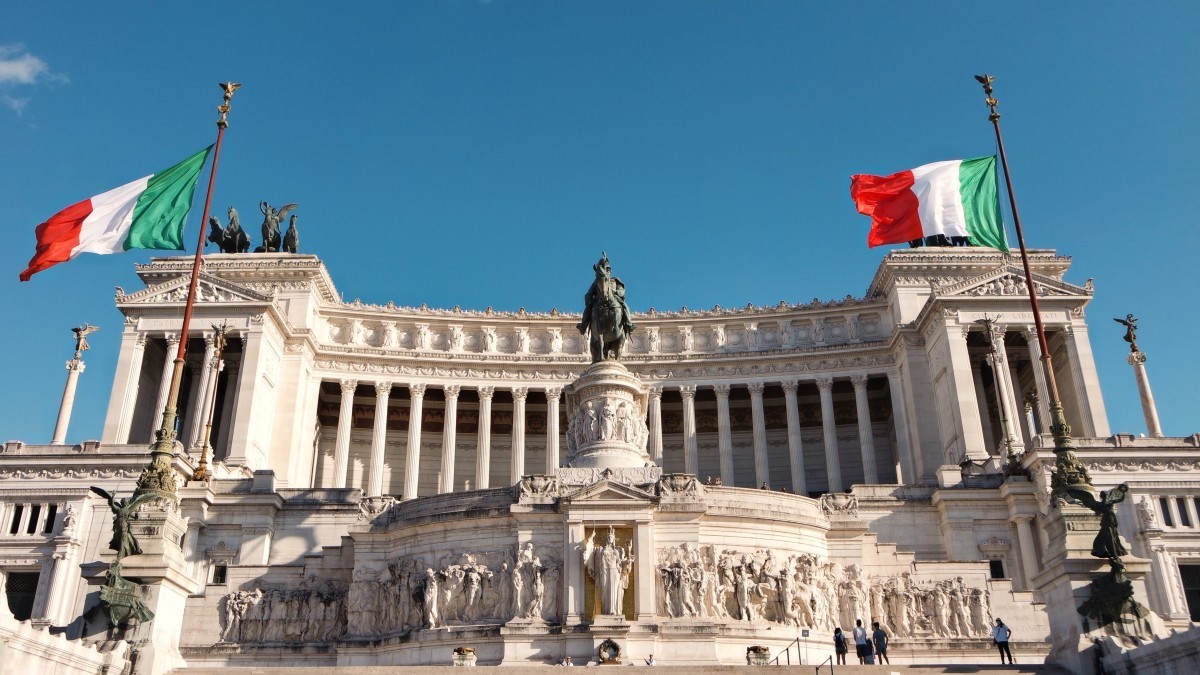
Life in Rome has a different rhythm once the sightseeing is out of the way. Neighbourhood choice matters: central areas put museums, restaurants and transport close by but can be noisy and costly, while districts further out may give more space and a stronger day-to-day community feel.
Stay inspired for your adventures in Italy —get our weekly newsletter for the latest travel, legal, and lifestyle news.